Top Emergency Plumbers in Franklin, CT, 06254 | Compare & Call

There are 206 plumbing companies server in Franklin CT
Since 2003, Werner's Plumbing has been a trusted family-owned resource for Smithtown homeowners and businesses. I've been managing the company from the start, and what I value most is the direct conne...

Shorty's Cesspool Service Inc. is a family-owned, licensed, and insured provider serving Suffolk County from its home base in Shirley. We specialize in the complete care of your property's underground...
Roto 24/7 is a licensed, owner-operated plumbing service based in Smithtown, NY, with over 20 years of experience in the cesspool and drain industry. Available 24/7, we serve both residential and comm...
Elmhurst Plumbing Heating and Cooling
Adrian, the owner of Elmhurst Plumbing Heating and Cooling, brings over 20 years of hands-on experience in both residential and commercial plumbing, heating, and cooling to every job in Queens. His di...
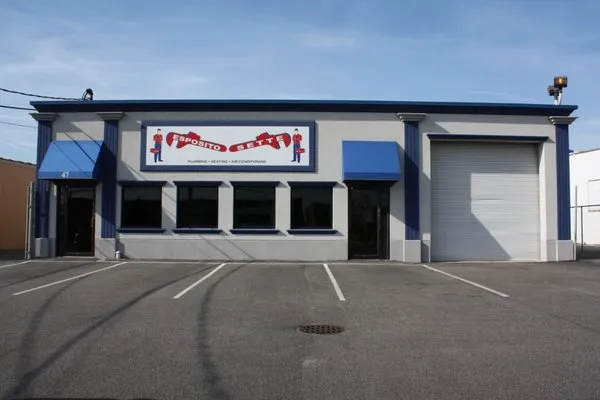
Esposito Plumbing & Heating
Esposito Plumbing & Heating has been a trusted fixture in West Babylon and across Long Island for over four decades. Founded by a tradesman who began his career at Thomas Edison Trade School, the comp...

Brightwaters Plumbing
Brightwaters Plumbing is a trusted, family-owned and operated business serving Bohemia and the surrounding communities since 1982. Founded by a father-son team, the company is now led by Master Plumbe...
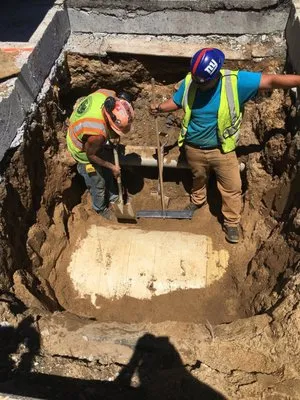
For over 35 years, ASAP Construction has been a trusted, family-owned plumbing partner for Lindenhurst and the surrounding communities. As a third-generation business operating under the same ownershi...
Ranger Sewer has been a trusted resource for Suffolk County homeowners since 1990, specializing in locating and servicing underground systems. The company operates throughout Long Island, including Ea...
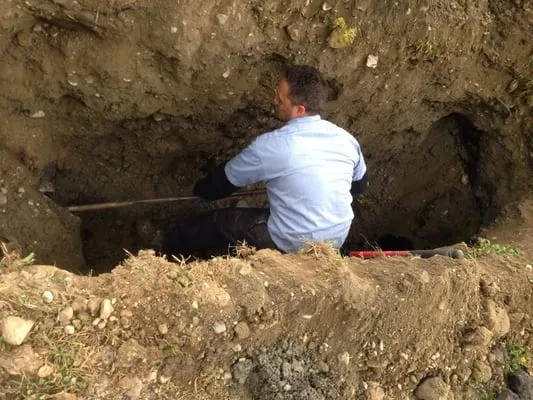
Emergency Cesspool & Sewer Cleaners Inc. is a family-owned and operated business in Ronkonkoma, built on a powerful personal mission. Our owner, a pioneering female entrepreneur in Suffolk and Nassau ...
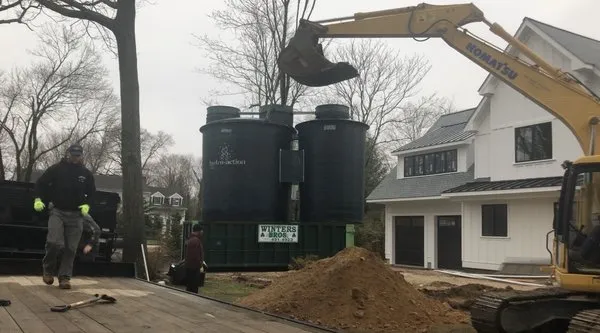
A & A Sewer and Drain Maintenance
A & A Sewer and Drain Maintenance has been serving Rocky Point and Suffolk County since 1992, with our own company established in 2011. I grew up in this business starting as a teenager and took on le...
Estimated Plumbing Costs in Franklin, CT
Q&A
Could the hilly land around Franklin Town Green cause plumbing problems?
The hilly terrain directly stresses plumbing infrastructure. The main water line from your well to your house, and your septic drain line, are under constant gravitational pressure due to the slope. This can lead to settling and stress on pipe connections. For drainage, it means surface water runs toward foundations, so ensuring perimeter drains and sump pumps are clear is vital to prevent basement flooding and saturated soil from freezing against pipes.
What permits are needed for a water heater replacement in Franklin, and who handles it?
The Franklin Building Department requires a permit for water heater replacement, as does the state for any work on potable water systems. As a licensed plumber with credentials from the Connecticut Department of Consumer Protection, I pull all necessary permits and schedule the required inspections. My responsibility is to handle that red tape and ensure the installation meets all current code, so you don’t have to navigate the bureaucracy yourself.
What's the most important seasonal plumbing tip for Franklin's winters?
The key is acting before the deep cold hits. Franklin’s lows can reach 17°F, but the real danger is the spring thaw. Any undetected leak from a frozen pipe will manifest as a major failure once the ice plug melts. The pro-tip is to disconnect and drain all outdoor hoses by late November and shut off the interior supply valves to those spigots. Insulating crawl spaces and well house piping is also non-negotiable.
Are there special plumbing considerations for a rural Franklin home?
Rural systems here are entirely self-contained. Your private well and septic system operate without municipal backup. A pump failure means no water; a septic field failure means no drainage. Maintenance focuses on the well pump's pressure tank and switch, and ensuring the septic system is not overloaded or contaminated by chemicals that kill the necessary bacteria. You are your own water utility.
Our copper pipes are original to our 1978 house in Franklin. What should we expect at this age?
Copper installed in 1978 is now 48 years old. Homeowners around Franklin Center are often seeing the first signs of widespread failure. This typically presents as pinhole leaks appearing in walls or ceilings, especially on hot water lines. The copper has undergone decades of thermal expansion and chemical interaction, thinning the pipe walls. Proactive inspection of accessible plumbing, particularly near the water heater, is now a prudent step.
How long does it take a plumber to get to Franklin for an emergency?
A typical dispatch from my shop heads past Franklin Town Green to access I-395, which is the main artery for service in the area. The route is direct, but total travel time from initial call to arrival averages 45 to 60 minutes. This accounts for navigating the local rural roads off the highway. It’s why calling at the first sign of a leak, rather than waiting for a flood, is critical.
Does having a private well in Franklin affect my plumbing fixtures?
Yes, significantly. Untreated well water here is often acidic and corrosive. This water aggressively attacks the interior of water heaters, dissolving the anode rod rapidly and attacking the tank lining. It also etches fixtures and can cause blue-green staining. Installing a whole-house acid neutralizer or a powered anode rod in the heater is not a luxury here; it’s essential hardware maintenance.
Why do my copper pipes keep springing pinhole leaks?
For 1978-era copper in our area, pinhole leaks are a signature failure. The primary culprit is corrosion from acidic well water acting on the pipe over nearly five decades. This corrosion creates localized weak spots that eventually perforate. We often find the worst calcification and thinning at solder joints and where pipes contact dissimilar metals, as these areas create galvanic corrosion cells.
