Top Emergency Plumbers in Essex Village, CT, 06409 | Compare & Call

There are 238 plumbing companies server in Essex Village CT
Superior Plumbing Heating & Mechanical
Superior Plumbing Heating & Mechanical is a family-owned and operated plumbing and HVAC service provider, established in 2003 and proudly serving Ozone Park, the five boroughs, Long Island, and Westch...
Vertigo Plumbing and Heating
Vertigo Plumbing and Heating has been a trusted local service in East Elmhurst since 1990, founded by master plumber Martin. With over three decades of hands-on experience, Martin leads a team of lice...

MD Plumbing & Heating
MD Plumbing & Heating has been a trusted Port Jefferson fixture since 2013, founded by Master Plumber Mike. With over two decades of hands-on experience, Mike brings a depth of knowledge that includes...
Long Island City Plumbing and Heating
For over 40 years, Long Island City Plumbing and Heating has been a trusted fixture in Queens, with expertise passed down through three generations. It all started with a grandfather teaching his son ...
NYC Plumbing & Electrical Solutions was founded by a local professional whose lifelong passion for construction evolved from handyman work into a dedicated service for New York City's homes. We focus ...
Garment District Plumbing and Heating
Garment District Plumbing and Heating is a licensed plumbing and heating service provider based in New York, NY, with over 15 years of experience serving residential and commercial properties. Led by ...
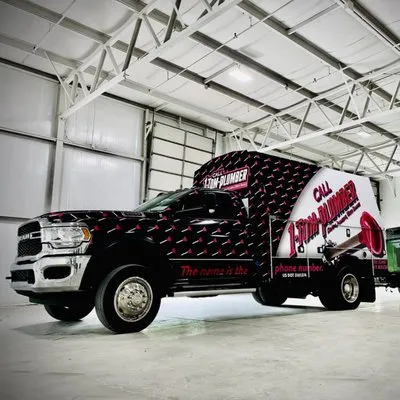
1-Tom-Plumber
1-Tom-Plumber is your local, 24/7 emergency plumbing and drain cleaning service in Farmingdale, NY. As a locally owned and operated company, we are dedicated to providing reliable, responsive care for...
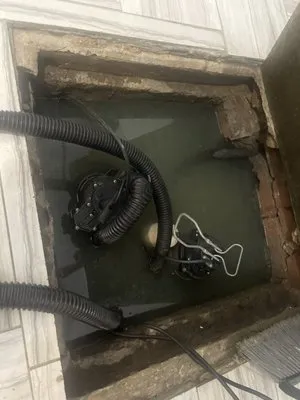
L Richards Plumbing & Heating
Founded by Leonard Richards in 1993, L Richards Plumbing & Heating has been a trusted fixture in Springfield Gardens and across Queens, Manhattan, Brooklyn, Long Island, and The Bronx for over 20 year...
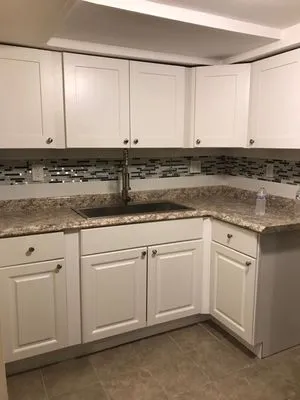
Mr Fixer NYC is your local handyman service in Queens, managed by Shyma R. With a focus on great customer service, Shyma is your primary point of contact, ready to answer any questions and schedule ap...

Xtreme Irrigation & Design
Xtreme Irrigation & Design is a licensed irrigation and plumbing specialist serving the Hempstead community and the greater Tri-State area. We combine expert sprinkler system installation, activation,...
Estimated Plumbing Costs in Essex Village, CT
FAQs
Does hard water from the Connecticut River damage my plumbing fixtures?
Hard water causes scale buildup inside water heaters and fixtures, reducing efficiency and lifespan. In Essex Village, mineral deposits from the river can clog aerators, strain water heater elements, and increase energy costs. Regular descaling of appliances and considering a water softener helps mitigate these effects over time.
How quickly can a plumber reach my home near the Connecticut River Museum?
Heading past Connecticut River Museum on Route 9, a dispatch route through Essex Village Center typically takes 20-30 minutes in normal traffic. This path avoids congested downtown areas, allowing for efficient response to urgent calls like burst pipes or sewer backups without unnecessary delays.
How does the coastal terrain near the Connecticut River Museum affect my home's drainage?
The sloping coastal soil around Essex Village can shift during wet seasons, putting stress on main sewer lines and causing misalignment. This terrain may lead to drainage issues where water pools near foundations or sewer backups occur. Proper grading and periodic line inspections help manage these natural stresses on underground plumbing.
My Essex Village home was built around 1962—should I be worried about my plumbing?
Copper pipes installed in 1962 are now 64 years old, which is beyond their typical 50-year lifespan. Homeowners in Essex Village Center often notice pinhole leaks, reduced water pressure, or discolored water as the copper thins from decades of mineral interaction. These signs indicate the metal is fatiguing, and proactive inspection can prevent sudden failures that disrupt daily routines.
Who handles permits and regulations for plumbing work in Essex Village?
I manage all required permits through the Essex Building Department and maintain credentials with the Connecticut Department of Consumer Protection. This ensures compliance with local codes and state standards, so homeowners don't need to navigate the red tape themselves. Proper documentation protects your investment and avoids legal issues during renovations or repairs.
Why do older copper pipes in Essex Village develop leaks so often?
Copper pipes from the 1960s commonly fail due to pinhole leaks caused by corrosion and joint calcification. Over six decades, mineral buildup and electrochemical reactions thin the pipe walls, especially at solder joints. This degradation is accelerated by Connecticut River's hard water, leading to localized weak spots that eventually rupture.
What should I do to prepare my plumbing for spring thaw in Essex Village?
With lows around 19°F and spring thaw peaks, insulate exposed pipes in unheated areas like basements or crawl spaces. A pro-tip for this temperate climate is to disconnect garden hoses before winter and ensure proper drainage away from the foundation to prevent freeze-thaw cycles from stressing pipe joints.
As a rural homeowner in Essex Village, what unique plumbing issues should I watch for?
Rural settings often involve septic systems and private wells, which require regular maintenance to avoid failures. Septic tanks need pumping every 3-5 years, and well components like pumps and pressure tanks can wear out from constant use. Monitoring water quality and scheduling professional checks prevents costly emergencies in these self-contained systems.
