Top Emergency Plumbers in Deep River Center, CT, 06417 | Compare & Call

There are 164 plumbing companies server in Deep River Center CT
Superior Plumbing Heating & Mechanical
Superior Plumbing Heating & Mechanical is a family-owned and operated plumbing and HVAC service provider, established in 2003 and proudly serving Ozone Park, the five boroughs, Long Island, and Westch...
Vertigo Plumbing and Heating
Vertigo Plumbing and Heating has been a trusted local service in East Elmhurst since 1990, founded by master plumber Martin. With over three decades of hands-on experience, Martin leads a team of lice...
Long Island City Plumbing and Heating
For over 40 years, Long Island City Plumbing and Heating has been a trusted fixture in Queens, with expertise passed down through three generations. It all started with a grandfather teaching his son ...
Garment District Plumbing and Heating
Garment District Plumbing and Heating is a licensed plumbing and heating service provider based in New York, NY, with over 15 years of experience serving residential and commercial properties. Led by ...
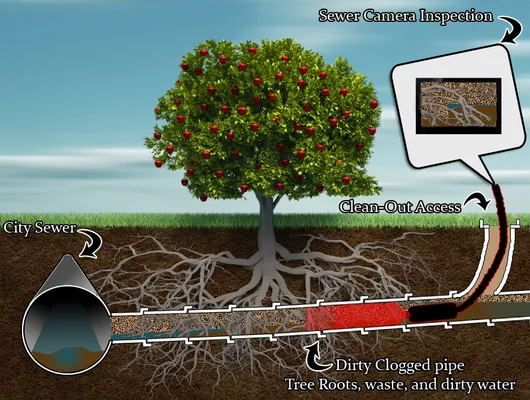
Throgs Neck Sewer Cleaning provides reliable plumbing and sewer services for Schuylerville residents and surrounding areas. We specialize in drain repair, plumbing inspections, and comprehensive plumb...
L Richards Plumbing & Heating
Founded by Leonard Richards in 1993, L Richards Plumbing & Heating has been a trusted fixture in Springfield Gardens and across Queens, Manhattan, Brooklyn, Long Island, and The Bronx for over 20 year...
Mr Fixer NYC is your local handyman service in Queens, managed by Shyma R. With a focus on great customer service, Shyma is your primary point of contact, ready to answer any questions and schedule ap...
Since 2003, Werner's Plumbing has been a trusted family-owned resource for Smithtown homeowners and businesses. I've been managing the company from the start, and what I value most is the direct conne...

Shorty's Cesspool Service Inc. is a family-owned, licensed, and insured provider serving Suffolk County from its home base in Shirley. We specialize in the complete care of your property's underground...
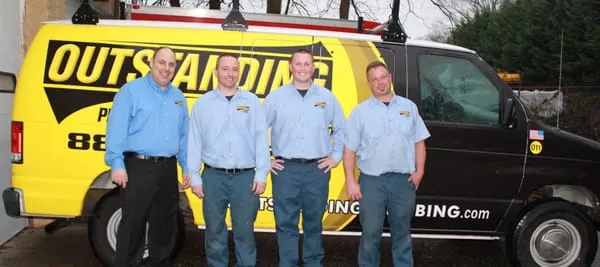
Outstanding Plumbing
Outstanding Plumbing is a licensed plumbing company serving Smithtown, NY, and surrounding Suffolk County, Nassau County, and Long Island areas. We specialize in a comprehensive range of plumbing solu...
Estimated Plumbing Costs in Deep River Center, CT
Frequently Asked Questions
Could the hilly land around Deep River Town Hall be causing my drainage problems?
Absolutely. The slope of the terrain places unusual lateral stress on the main sewer line or septic pipe running from your house to the street or tank. This constant gravitational pull can lead to bellied pipes, where a section sinks and creates a low spot for waste to collect, or cause joints to separate completely over time.
Why is my water pressure so low all of a sudden in my Deep River Center home?
Houses here built around 1957 have original galvanized steel supply lines that are now 69 years old. The inside diameter of these pipes shrinks significantly from decades of mineral and rust scale buildup. What you're experiencing isn't a simple clog; it's the final stage of corrosion where the pipe's interior is nearly sealed shut, severely restricting flow to your fixtures.
I'm on a well and septic system. Are my plumbing issues different from the town water folks?
Yes, rural systems introduce specific concerns. For wells, the lack of municipal chemical treatment often means harder water, accelerating scale buildup in pipes and appliances. On the septic side, what you flush directly impacts the leach field's health; grease and non-biodegradable materials cause backups that manifest as slow drains inside the house.
What permits do I need from the Deep River Building Department to replace my water heater?
A water heater replacement typically requires a plumbing permit from the Deep River Building Department and a subsequent inspection. As a Master Plumber licensed by the Connecticut Department of Consumer Protection, I pull those permits, schedule the inspections, and ensure the installation meets all current code. This handles the red tape so you don't have to navigate it yourself.
What does a pinhole leak in a wall mean for my plumbing?
In 1957-era galvanized steel, a pinhole leak is rarely an isolated incident. It's a symptom of systemic corrosion where the pipe wall has been thinned from the inside by acidic water. That one leak often indicates the entire run of pipe is compromised and actively failing. Joint calcification is also common, where fittings become brittle and can shear under stress.
How quickly can a plumber get to my house in Deep River Center?
My typical dispatch starts near Deep River Town Hall. Heading past it onto Route 9 is the main artery for reaching most homes in the area. Accounting for local traffic and the specific hill you're on, a 45 to 60 minute arrival window from the initial call is standard for providing reliable emergency service here.
Why does my water heater fail so often compared to my friends in other towns?
Water sourced from the Connecticut River tends to be more corrosive. This acidity aggressively attacks the anode rod in your water heater, dissolving it years faster than normal. Once that sacrificial rod is gone, the corrosive elements begin eating into the tank's glass lining and steel, leading to premature failure and rust-colored water.
What's the most important thing to do with my plumbing before spring?
Our winter lows around 19°F, followed by a rapid spring thaw, create the perfect conditions for pipe fractures from ground shifting and ice dam formation. The critical pro-tip is to ensure all exterior hose bibs are shut off from inside the house and drained well before the first hard freeze. Also, check that crawl space vents are closed to protect vulnerable lines.
