Top Emergency Plumbers in Cornwall, CT, 06754 | Compare & Call

There are 206 plumbing companies server in Cornwall CT
Hamilton Heights Plumbing and Heating
Hamilton Heights Plumbing and Heating is a family-operated plumbing and heating service based in Manhattan, NY, with over two decades of expertise. Founded by master plumber Matthew, who is supported ...
South Hill Group is a White Plains-based contractor with over 20 years of specialized experience in construction, trenching, and pipe work. We provide expert drainage, sewer, and water line solutions,...
Browns Plumbing Heating and Air Conditioning
Browns Plumbing Heating and Air Conditioning is a trusted local provider in Cornwall-on-Hudson, NY, dedicated to the comfort and reliability of your home's essential systems. We specialize in professi...

Quick Response is a licensed plumbing service provider based in Port Chester, NY, serving both Connecticut and New York areas. We offer a comprehensive range of plumbing solutions, from routine instal...

Since 1986, Backflow Joe's has been the trusted local expert for certified backflow testing, repairs, and installations throughout New York State. Based in Eastchester, our NEWWA-certified and license...
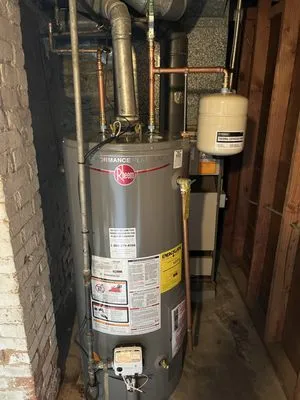
Saggese Plumbing & Gas
Saggese Plumbing & Gas is a fully licensed, bonded, and insured plumbing contractor serving Campbell Hall and the wider Hudson Valley. We provide a comprehensive range of services to meet the needs of...
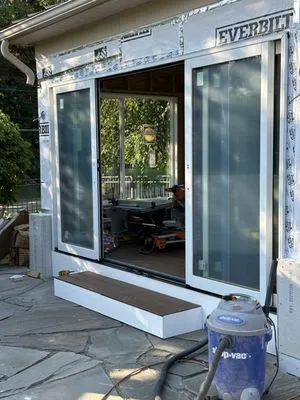
With over 25 years in construction and a decade specializing in kitchens and bathrooms, I founded Handyman Repairs in Bloomingburg to help local homeowners and property managers. Our mission is to pro...

Nebrasky Plumbing, Heating & Cooling
Nebrasky Plumbing, Heating & Cooling has been serving Monroe, NY, and the surrounding Hudson Valley region since 1988. As a family-owned business, we provide reliable plumbing, heating, and cooling se...
TNT Mechanical is a family-owned and operated business serving the Wallkill, NY community with over 15 years of hands-on experience. Specializing in HVAC, plumbing, refrigeration, and electrical servi...
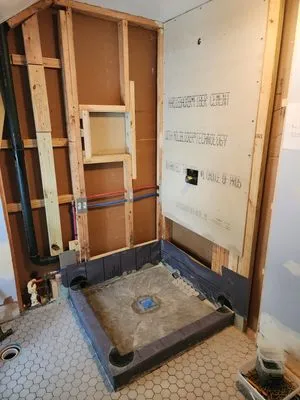
Buildology in Kerhonkson, NY, is a residential construction company founded by artists—an actor/filmmaker and a painter—who bring a creative vision to building. We specialize in custom homes, renovati...
Estimated Plumbing Costs in Cornwall, CT
Question Answers
What causes those sudden pinhole leaks in my basement pipes?
Galvanized steel from the 1930s and 40s fails in a specific pattern. After 80-plus years, the protective zinc coating has completely degraded, leaving the underlying steel exposed. This leads to accelerated, localized corrosion that creates pinhole leaks, often at threaded joints or where pipes rest on straps. The leaks are a symptom of systemic pipe failure.
Do I need a permit to replace my water heater in Cornwall?
Yes, the Cornwall Building Department requires permits for water heater replacements to ensure code compliance for safety and energy standards. As a licensed Master Plumber with credentials filed with the Connecticut Department of Consumer Protection, I handle the permit application, scheduling, and inspection process. This manages the red tape for you and guarantees the work is legally documented.
As a rural homeowner, what unique plumbing systems should I maintain?
Your private well and septic system require scheduled maintenance, unlike a municipal service. The well pump, pressure tank, and water treatment equipment need annual checks. The septic tank should be pumped every 3-5 years, depending on use. Neglecting these systems leads to catastrophic failures that are far more complex and expensive to repair than a typical house call.
Does well water in Cornwall damage water heaters?
Yes, the typically acidic and corrosive nature of water from private wells here accelerates wear. The anode rod in your water heater, designed to sacrificially corrode, will be consumed much faster. Without timely replacement, the tank's glass lining and steel shell become vulnerable, leading to premature failure and sediment issues that reduce efficiency and hot water volume.
Why are my faucets in Cornwall getting so much slower?
Your galvanized steel supply lines are likely 88 years old. Installed around 1938, the interior of these pipes is now heavily constricted with decades of rust and mineral scale buildup. What you're experiencing is a loss of volume, not just pressure, as the pipe's internal diameter shrinks. This is a predictable end-of-life phase for this material throughout Cornwall Village.
What's the most important spring plumbing task for Cornwall homes?
Before the spring thaw hits its peak, shut off and drain any exterior hose bibs and irrigation lines that were used over winter. A hard freeze to 14 degrees can still occur early in the season, and trapped water in these lines will expand and crack the fittings or pipes inside your walls. This simple proactive step prevents a common and costly leak.
How long will it take a plumber to get to my house in Cornwall?
From our shop, a dispatch route typically heads past the West Cornwall Covered Bridge and north on Route 7. For most calls in the primary service area, you can expect a service vehicle in 45 to 60 minutes. We factor in local traffic and the specific turn-offs to your property when giving an ETA.
Could the hilly land around West Cornwall cause sewer problems?
Absolutely. The slope of the terrain places significant static stress on the main drain line running from your home to the septic tank or sewer. Over decades, this can cause the pipe to sag or develop bellys where waste collects, leading to chronic clogs. Proper bedding and support during installation are critical, and existing lines in older homes often need evaluation for grade issues.
