Top Emergency Plumbers in Blue Hills, CT, 06002 | Compare & Call

There are 195 plumbing companies server in Blue Hills CT

Quick Response is a licensed plumbing service provider based in Port Chester, NY, serving both Connecticut and New York areas. We offer a comprehensive range of plumbing solutions, from routine instal...

Dan's Heating & Cooling is a Valatie-based family business built on over 47 years of combined hands-on experience. We genuinely enjoy our work and are committed to quality, professional results on eve...
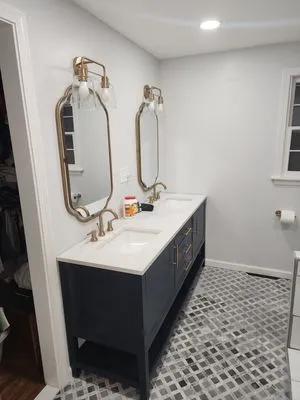
Plumbums is a licensed plumbing and heating service company serving Berlin, CT, and surrounding areas. Founded in 2022 by a fourth-generation plumber who began working with his father in 2012, the com...
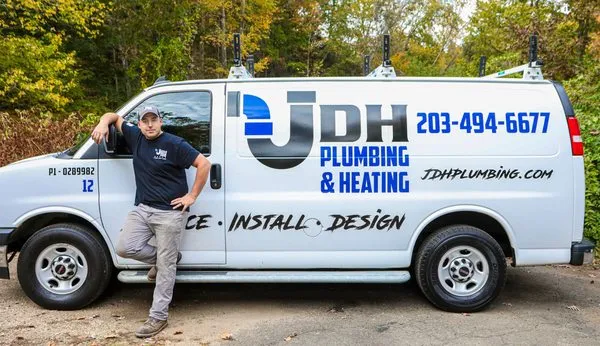
JDH Plumbing & Heating is a trusted, locally-owned and operated plumbing service based right in Orange, CT. We bring reliable expertise directly to your home or business, backed by our CT state plumbi...

For over 40 years, Frank Ballaro and his team of licensed, expert mechanics have been the trusted name for plumbing, heating, and remodeling in Stratford and across Fairfield and New Haven Counties. F...
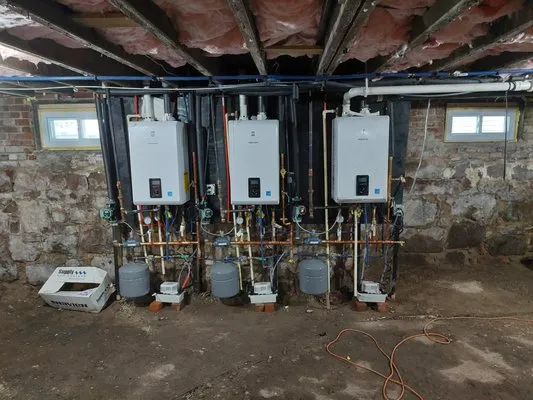
For over a decade, TT and CA Plumbing and Heating has been a trusted, family-operated service provider for Hartford homeowners. We believe in treating every customer like family, which means offering ...
Edgerton has been a trusted name in Monroe, Connecticut, since 1956, providing reliable HVAC and plumbing services as a family-owned and operated business. We understand the unique needs of homes and ...

JRL Plumbing & Heating is a trusted, locally-owned plumbing service in Woodbridge, CT. We specialize in a wide range of residential plumbing and gas line services, from routine repairs to full install...
Priority Plumbing & Heating is a family-owned, Connecticut-based plumbing and heating provider with more than two decades of experience. Serving both residential and commercial clients in Ansonia and ...

Call The Bee
Call The Bee is your trusted, local HVAC and plumbing specialist in Farmington, CT. We are a licensed and insured team of factory-trained, EPA-certified technicians dedicated to keeping your home comf...
Estimated Plumbing Costs in Blue Hills, CT
Q&A
Who handles permits and regulations for plumbing work in Hartford?
Hartford Department of Development Services manages all plumbing permits and inspections. I maintain current Connecticut Department of Consumer Protection credentials and handle the required paperwork for any job. This includes pulling permits, scheduling inspections, and ensuring all work meets current code standards. You won't need to navigate the bureaucracy yourself - I manage the red tape so projects proceed smoothly and legally.
Does Connecticut River water cause problems for home plumbing systems?
Water sourced from the Connecticut River has high mineral content that creates hard water conditions. This leads to scale buildup inside water heaters, reducing efficiency and shortening their lifespan by 3-5 years. Fixtures develop mineral deposits that restrict flow and damage seals over time. Installing a water softener or using dielectric unions at connections can mitigate these effects significantly.
How quickly can a plumber reach my Blue Hills home during an emergency?
Heading past Keney Park on I-91 provides direct access to most Blue Hills addresses. Our typical response time runs 25-35 minutes from dispatch, accounting for traffic patterns and the neighborhood's layout. We maintain real-time routing to navigate efficiently through the district's streets. This timing allows us to address most urgent issues before they escalate significantly.
Could the hilly landscape around Keney Park affect my home's drainage?
Blue Hills' sloping terrain creates drainage challenges that put stress on main sewer lines. Downhill properties often experience increased pressure on pipe joints, while uphill homes might see sediment accumulation in low sections. The soil composition around Keney Park can shift with seasonal moisture changes, potentially misaligning connections. Proper grading and regular drain cleaning help manage these terrain-related issues before they cause backups or pipe separation.
What should I do before spring thaw to prevent plumbing issues?
Connecticut's spring thaw brings rapid temperature shifts that stress plumbing systems. Insulate exposed pipes in crawl spaces and basements before temperatures drop to 19°F. Drain outdoor spigots and disconnect hoses to prevent freeze damage. Check for foundation cracks where cold air might reach interior pipes. These steps help avoid the burst pipes that commonly occur during thaw cycles when ice blockage pressure finds weak points.
Why do my 1950s-era pipes keep springing leaks in different spots?
Galvanized steel pipes from that period develop pinhole leaks as internal corrosion eats through the pipe walls unevenly. Joint calcification also occurs where mineral deposits build up and crack the threaded connections. These failures happen because the protective zinc coating has deteriorated over decades, leaving bare steel exposed to water and oxygen. The problem tends to accelerate once the first leak appears, indicating systemic corrosion throughout the plumbing.
As a suburban homeowner, what municipal plumbing factors should I understand?
Blue Hills' suburban setting means you're connected to Hartford's municipal water system, which maintains consistent pressure that can stress older plumbing. Tree roots frequently invade lateral lines seeking moisture, causing blockages that require professional clearing. Understanding where your property line meets the city main helps identify responsibility for repairs. Regular inspections of your portion of the lateral prevent surprises when roots or ground shifts create problems.
My Blue Hills Historic District home was built around 1958 - what should I expect from my plumbing now?
Galvanized steel pipes installed in 1958 are now 68 years old. Homeowners in the Historic District are seeing widespread pinhole leaks and joint failures as the zinc coating has worn away, exposing the underlying steel to corrosion. This often manifests as rust-colored water, reduced water pressure, and sudden leaks in walls or ceilings. The material's lifespan typically ends around 50-70 years, so many systems here are at critical failure points.
