Top Emergency Plumbers in Wray, CO, 80758 | Compare & Call

There are 16 plumbing companies server in Wray CO
Lock And Sons Plumbing And Heating
Lock And Sons Plumbing And Heating is a trusted local business serving the Sterling community with reliable plumbing and heating solutions. As area specialists, their service team is built on a founda...

Drain Saver is Wray's trusted local plumbing service, built on reliability and a straightforward commitment to solving your home's plumbing issues. We understand the specific challenges faced by homeo...

Bob Staley's Plumbing - Heating - Air
For over three generations, Bob Staley's Plumbing - Heating - Air has been a trusted family name in Fort Morgan and across Eastern Colorado. Since 1954, we've built our reputation on providing reliabl...
Steve's in Wray, CO, is a trusted local plumbing service dedicated to helping homeowners in the Wray area tackle common plumbing issues like low water pressure and clogged drains. With a focus on thor...
Tom's Plumbing is your trusted local plumbing expert serving Holyoke, CO, and the surrounding area. We specialize in addressing the unique plumbing challenges that homeowners in our community face, pa...
D Cent Plumbing & Heating is your trusted local plumbing expert serving Haxtun, CO, and the surrounding region. We specialize in helping homeowners tackle the specific challenges presented by our area...
Newbanks Pumps Inc. is a family-owned water well drilling and service business based in Wray, CO, with over 50 years of experience serving the region. We specialize in complete solutions, handling eve...
Phillips Drilling & Pump is a trusted Haxtun-based plumbing service dedicated to solving the common water and drainage issues faced by local homeowners. Specializing in thorough plumbing inspections, ...

Energy Wise Mechanical
Founded by Darren Jensen in July of 1999 and now based in Grant, Energy Wise Mechanical brings over two decades of trusted service to homes and businesses across Perkins County and the broader region....
Owens Plumbing is a trusted local plumbing service based in Champion, NE, dedicated to keeping homes and businesses running smoothly. We specialize in comprehensive plumbing inspections to identify an...
Estimated Plumbing Costs in Wray, CO
Q&A
How quickly can a plumber reach my home in Wray?
Heading past Wray Museum on US-34, a dispatch route covers most of the town efficiently, with typical response times of 45-60 minutes. This allows for quick assessment of emergencies like burst pipes or sewer backups. Knowing local routes helps minimize delays, especially during peak traffic or weather events. For urgent issues, this timing often prevents significant water damage.
Why do my old pipes keep springing small leaks?
Galvanized steel from 1961 commonly develops pinhole leaks due to internal corrosion and joint calcification. As the zinc coating wears off, exposed steel rusts, creating weak spots that fail under normal water pressure. These leaks often start in hidden areas like crawl spaces or walls, leading to slow water damage. Replacing sections or the entire system is usually more cost-effective than repeated repairs.
My Wray home was built around 1961—should I be worried about my plumbing?
Galvanized steel pipes installed in 1961 are now 65 years old, well beyond their typical 40-50 year lifespan. Downtown Wray homeowners often notice reduced water pressure, rust-colored water, or frequent leaks as the interior walls corrode and mineral deposits build up. This gradual failure is predictable with age, and many properties in the area are experiencing similar issues. Addressing it proactively can prevent more extensive damage to walls and foundations.
Does Wray's hard water damage my water heater?
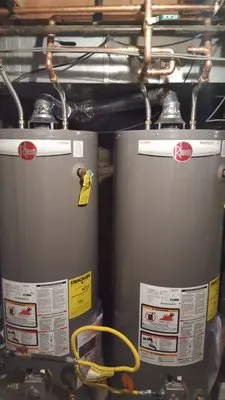
Water from the Arikaree River Alluvial Aquifer has high mineral content, causing scale buildup in water heaters and fixtures. Over time, this sediment reduces heating efficiency, increases energy costs, and can lead to premature tank failure. Flushing the heater annually and installing a water softener can mitigate these effects. Fixtures like showerheads and faucets also accumulate deposits, requiring regular cleaning or replacement.
As a rural homeowner in Wray, what unique plumbing issues might I face?
Rural properties often rely on wells and septic systems, which require specific maintenance. Well pumps can fail due to hard water scaling, while septic tanks need periodic pumping to avoid backups. Water pressure from private wells may fluctuate, stressing pipes and fixtures. Understanding these systems helps prevent emergencies, as municipal services aren't available for immediate support like in urban areas.
Do I need permits for plumbing work in Yuma County?
Yes, the Yuma County Building Department requires permits for most plumbing projects to ensure code compliance. As a master plumber licensed by the Colorado State Examining Board of Plumbers, I handle the red tape so you don't have to, from submitting plans to scheduling inspections. This ensures work meets state and local standards, protecting your investment and avoiding fines. Proper documentation also simplifies future sales or insurance claims.
What should I do to prepare my plumbing for Wray's cold winters?
With lows around 15°F and spring thaw peaks, insulate exposed pipes in unheated areas like basements or crawl spaces. Drain outdoor spigots before freezing weather hits, and keep cabinet doors open to allow warm air to circulate around interior pipes during cold snaps. A pro-tip for this arid climate is to maintain consistent indoor temperatures, as dry air can accelerate pipe material fatigue. These steps help prevent bursts during rapid temperature swings.
Could the flat land around Wray cause drainage problems?
Plain terrain near Wray Museum and throughout town can lead to poor drainage, putting stress on main sewer lines. Without natural slope, water and waste may not flow efficiently, increasing the risk of backups or pipe blockages. Soil compaction over time can also shift pipes, causing misalignments or cracks. Regular inspections and proper grading around your property help manage these issues and extend system longevity.
