Top Emergency Plumbers in Twin Lakes, CO, 80221 | Compare & Call

There are 238 plumbing companies server in Twin Lakes CO
High Level Plumbers is a Denver-based plumbing service led by Aaron, a seasoned contractor with a team of certified professionals. They provide comprehensive plumbing solutions including installations...
Life Happens Plumbing was founded in Denver on the understanding that plumbing problems strike at the worst times, adding stress to daily life. We're here for those vulnerable moments, offering reliab...
Five Stars Mechanical
For nearly two decades, Five Stars Mechanical has been a trusted plumbing and mechanical partner in Colorado's construction industry. We specialize in comprehensive plumbing and HVAC installations for...
Master Plumbers Lancaster's is a Denver-based plumbing company with deep roots in the community. Founded by Robert and his family, the business has grown from specializing in residential plumbing repa...
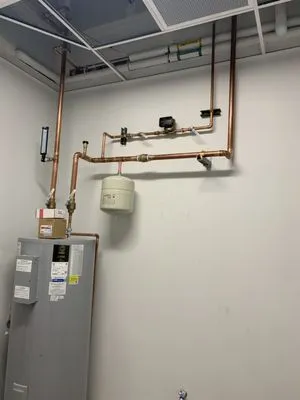
Blue Water Mechanical is a trusted Arvada plumbing company dedicated to reliable service for homeowners. We specialize in installations and repairs for bathtubs, showers, faucets, drains, and water he...

Plumbing Repair Specialists Thomas is a Denver-based plumbing service founded by Thomas Harris, dedicated to providing reliable and expert plumbing solutions for the local community. With over a decad...
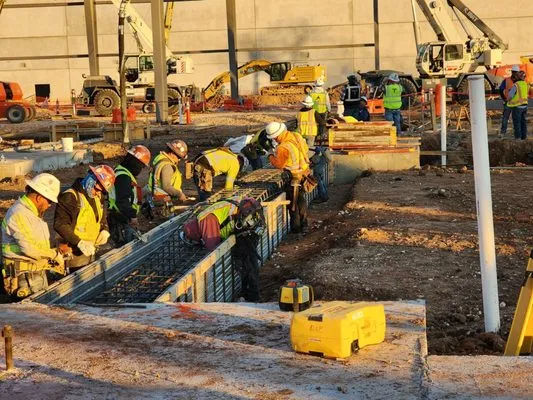
Mainline Services is a Denver-based plumbing inspection company that sets a new standard for accountability and fairness in the industry. Founded by professionals who saw a need for change from questi...
Plumbline Services
Founded in 1998 in a Castle Rock basement, Plumbline Services has grown to become a trusted, locally owned provider for Centennial and the greater Denver area. We specialize in comprehensive plumbing,...
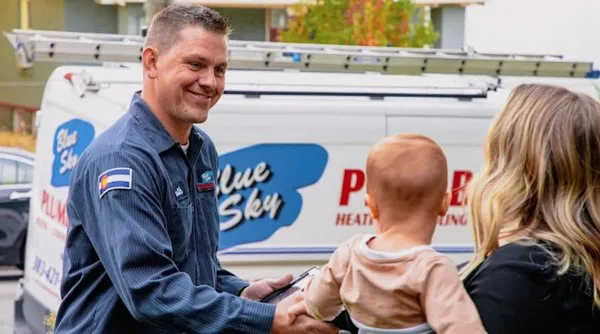
Blue Sky Plumbing, Heating, Cooling & Electric
Blue Sky Plumbing, Heating, Cooling & Electric is a family-owned and operated contractor serving the Denver Metro area since 1916. With four generations of expertise, we provide comprehensive plumbing...

Dawaterboyz
DaWaterboyz Plumbing & Drain Service LLC in Denver is a family-owned business built on a foundation of resilience and community. Founded by an owner who transformed personal adversity into purpose aft...
Estimated Plumbing Costs in Twin Lakes, CO
Questions and Answers
What's the most important plumbing task before spring in Twin Lakes?
Insulate any exposed pipes in crawl spaces or along foundations before the spring thaw. When nighttime lows still hit 1°F and daytime thaw begins, this freeze-thaw cycle is the leading cause of pipe bursts here. A pro-tip is to drain and bypass exterior hose bibs in the fall; trying to thaw them in spring often causes the fitting to split.
How long does it take for a plumber to get to Twin Lakes for an emergency?
From our base near the reservoir, a typical dispatch heads past Twin Lakes Village on State Highway 82. The 60-90 minute response window accounts for mountain traffic, weather on the pass, and the final drive up your private road. We plan routes to minimize delay, but the remote location requires realistic timing for urgent calls.
Why am I suddenly getting pinhole leaks in my copper pipes?
Your home's original copper plumbing is now 55 years old. This is a common failure point for the 1971-era copper installed throughout Twin Lakes Village. At this age, the pipe walls thin from decades of mineral abrasion and acidic water, making them prone to sudden pinhole leaks, often behind walls or under slabs. It's not a question of if, but when these aging sections will fail.
Can the hilly terrain around my home cause plumbing problems?
The steep, shifting soils common around Twin Lakes Reservoir put constant stress on your main water and sewer lines. This can lead to misaligned joints, slow drainage from improper pitch, or even a sheared main line. Properly securing pipes with flexible fittings and planning drainage paths that account for slope are critical in this terrain to avoid foundation-level issues.
What plumbing issues are unique to a rural home with a well and septic system?
Your well pump and pressure tank face the same corrosive water, shortening their lifespan. Septic system health is paramount; avoid garbage disposals and chemical treatments that disrupt the tank's biology. Power outages mean no well pump, so maintaining a pressure tank air charge and knowing your septic field's location are essential for self-sufficient operation in this area.
What permits are needed for a water heater replacement in Lake County?
Lake County Building Department requires a permit for any water heater replacement, which includes a pressure and temperature relief valve inspection. As a master plumber licensed by the Colorado State Plumbing Board, I handle securing the permit, scheduling the county inspection, and ensuring the installation meets all current code for venting and seismic straps. This manages the red tape so your project is documented and compliant.
Does water from Twin Lakes Reservoir damage water heaters?
Yes, the corrosive, acidic nature of the reservoir water aggressively attacks metal components. Inside your water heater, the anode rod depletes rapidly, leaving the steel tank vulnerable to rust. For fixtures, this water accelerates galvanic corrosion between dissimilar metals, like where copper meets brass, leading to premature leaks in faucets and valves.
What causes copper pipes to fail in older Twin Lakes homes?
Beyond pinhole leaks, 55-year-old copper often suffers from joint calcification and solder fatigue. Scale buildup inside the pipes restricts flow and increases pressure, while the original soldered joints can crystallize and crack from constant thermal expansion and contraction. This systemic wear is accelerated by our local water chemistry, leading to failures at fittings and elbows first.
