Top Emergency Plumbers in Mountain Village, CO, 81435 | Compare & Call

There are 19 plumbing companies server in Mountain Village CO
Silver Streak Rooter is a trusted plumbing and drain service provider for the Western Slope of Colorado, established in 2002. With over 30 years of combined industry experience, our team is dedicated ...

L & L Rooter and Repair is a family-owned plumbing company serving Delta, CO, with over 25 years of local experience. We specialize in service calls, line locates, clearing stoppages in drain lines, a...

A Plus Plumbing and Heating
A Plus Plumbing and Heating is a trusted, local plumbing company serving Montrose, CO, and the surrounding area. We understand that local homeowners face common and disruptive plumbing issues, such as...
Unrivaled Plumbing & Heating
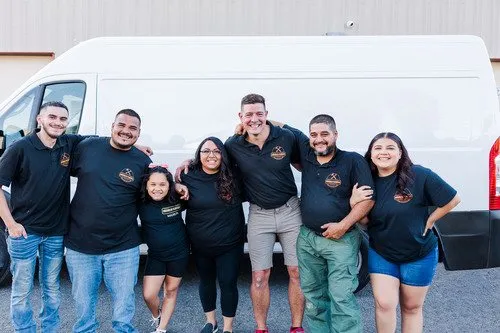
Unrivaled Plumbing & Heating is a locally owned and operated plumbing service proudly serving Montrose County and all surrounding areas. As a licensed and bonded provider, we specialize in comprehensi...

Benjamin Franklin Plumbing
Since 1973, Benjamin Franklin Plumbing has been the trusted local plumbing service for Montrose and the Western Slope of Colorado. Under the ownership of Master Plumber and Gas Fitter Eli since 1996, ...
Roto Rooter in Montrose, CO, is your locally owned and operated plumbing expert, proudly serving the Western Slope. As natives of Colorado, our team understands the specific plumbing challenges faced ...

West Plumbing
West Plumbing is a family-owned plumbing business serving Montrose, CO, and surrounding areas. Founded by Anthony, a licensed master plumber with 20 years of experience, and his wife, a licensed appre...
Morris Plumbing & Heating
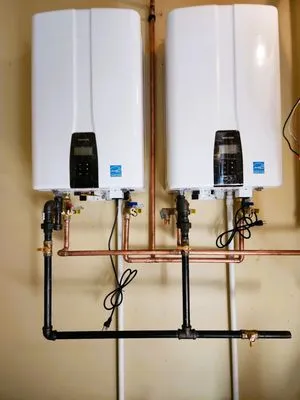
Since 1997, Morris Plumbing & Heating has been a trusted name for Montrose homeowners and builders, founded on principles of fairness and reliability. We started as Precision Plumbing and Heating to g...

Mountain West Mechanical
Mountain West Mechanical is a trusted, family-owned plumbing and HVAC company serving Montrose, CO, and the surrounding area since 2006. As a full-service mechanical contractor, we handle everything f...
OTS Heating & Plumbing
OTS Heating & Plumbing is a locally owned and operated business serving Montrose, CO and the Western Slope with over 20 years of experience. We provide comprehensive plumbing and HVAC services, from b...
Estimated Plumbing Costs in Mountain Village, CO
FAQs
Could the hilly terrain around Telluride be causing my drainage problems?
Very likely. The steep slope puts constant, uneven stress on underground sewer mains and can cause sections to settle or separate at the joints. For your home's lateral line, this settling creates low spots where waste and solids collect, leading to recurring clogs. Proper drainage away from the foundation is also critical on these grades to prevent water from undermining the soil around your pipes.
What's the most common plumbing repair for a 1990s Mountain Village house?
Replacing failed solder joints in copper lines. After nearly three decades, thermal cycling and our hard water cause solder to degrade and calcify, leading to leaks at elbows and tees. We also see dielectric unions, which separate copper from dissimilar metals like water heater nipples, failing from corrosion. These are predictable failures for this vintage of construction.
Do I need a permit from the town to replace my water heater?
Yes, the Town of Mountain Village Planning and Development Services requires permits for water heater replacements. As a Master Plumber licensed by the Colorado State Examining Board of Plumbers, I pull all necessary permits, schedule the required inspections, and ensure the installation meets current code for venting and seismic straps. I handle that red tape so the work is documented and compliant.
Our Mountain Village home was built in the late 90s. Should we be concerned about the plumbing?
Homes built around 1997 are now pushing 29 years old. For copper pipes, that's right in the window where pinhole leaks from internal corrosion become common. In the Mountain Village Core, we're seeing this manifest as small, persistent drips inside walls, often first noticed as water stains on drywall or a slight drop in water pressure. It's a systemic age issue, not a defect in the original installation.
Are there unique plumbing considerations for a rural mountain home versus one in town?
The primary difference is often a private well and septic system, not municipal water and sewer. Well system components like pressure tanks and switches require specific maintenance, and septic fields must be sized and maintained for the soil conditions. Water pressure from a well pump also needs to be regulated properly to avoid stressing the household plumbing, which is a common setup issue we correct.
What's one thing I should do before spring to avoid a plumbing disaster?
Before the spring thaw hits its peak, disconnect and drain all exterior garden hoses. A hose bib that freezes and cracks over winter can hold pressure until a sustained thaw; then it fails catastrophically, flooding the area. In this Snow Belt, insulating exposed pipes in crawl spaces and garages is standard, but that forgotten hose is a frequent cause of major water damage.
How long does it take for a plumber to get to Mountain Village for an emergency call?
From our shop, heading past Telluride Ski Resort on State Highway 145 is the standard dispatch route. Under ideal conditions, that's a 45-minute drive. In winter or during peak tourist traffic, plan for 60 minutes. We factor this travel time into our scheduling and always recommend shutting off your main water valve immediately if you have a major leak while waiting.
Does the hard water from the San Miguel River damage plumbing fixtures?
Absolutely. The mineral content leads to heavy scale buildup that restricts flow and reduces efficiency. Inside a water heater, scale acts as an insulator on the heating elements, forcing the unit to work harder and significantly shortening its lifespan. On fixtures, it clogs aerators and cartridge valves, which is why you might notice a gradual reduction in shower pressure over a few years.
