Top Emergency Plumbers in Indian Hills, CO, 80454 | Compare & Call

There are 239 plumbing companies server in Indian Hills CO
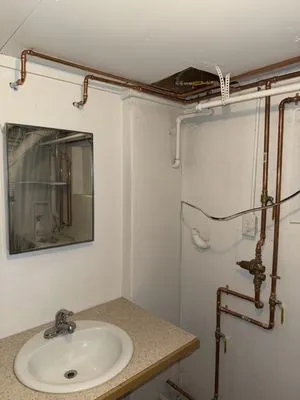
Speed plumbing
Speed Plumbing is a Denver-based plumbing service founded in 2020, bringing together unique expertise to serve the local community. The company's foundation includes 20 years of industry experience, c...
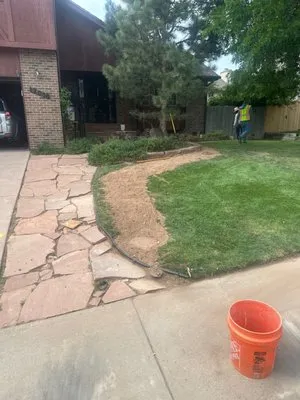
Founded in 2016, Hyper Flow Service is a locally owned Denver plumbing and drain company built on over a decade of hands-on experience in the metro area. We combine this deep local knowledge with mode...
Spartan Plumbing is a family-owned plumbing service in Arvada, CO, with over 75 years of combined industry experience passed down through generations. We provide comprehensive residential and commerci...
My Denver Plumber has been providing reliable plumbing services to the Denver and Front Range areas since 2001. We specialize in residential, commercial, and industrial plumbing solutions, including d...
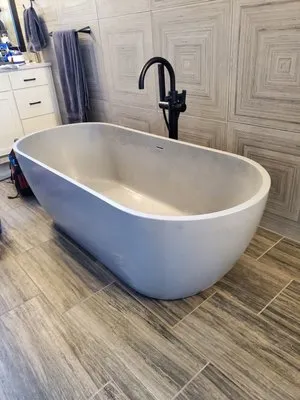
Colorado Plumbing Solutions
Colorado Plumbing Solutions is a locally owned and operated plumbing company that has been serving Englewood, Denver, and the surrounding metro area since 2011. With over 20 years of industry experien...
Just In Time Electrical & Plumbing
Just In Time Electrical & Plumbing is a trusted Thornton-based service provider with over 23 years of experience in both residential and commercial electrical and plumbing work. Founded by a professio...
Summit Heating A/C Plumbing & Electric
Summit Heating A/C Plumbing & Electric is a locally owned and operated company serving Littleton and the Denver area since 1998. Founded by Bill Leech and Dean Peterson, the company is built on decade...
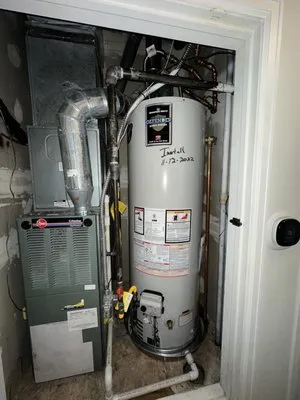
Gold Leaf Emergency Plumbers Denver
Gold Leaf Emergency Plumbers Denver is a locally owned and operated plumbing service based in Englewood, CO, serving the Denver metro area. Founded by Nicholas, who began his plumbing career in 2007 a...
TCF Emergency Plumbing & Heating
TCF Emergency Plumbing & Heating is a Denver-based plumbing and HVAC service provider founded by Thomas, a master plumber with over 15 years of experience who relocated from Chicago to Colorado. With ...
Euro Plumbing is a trusted, locally-owned plumbing company serving Aurora and the greater Denver metro area. With over a decade of experience, our licensed and insured team is committed to treating ev...
Estimated Plumbing Costs in Indian Hills, CO
Frequently Asked Questions
Why do my old pipes keep springing leaks in the same spots?
Galvanized steel from the mid-1960s fails in predictable ways. Threaded joints are the weakest point, where corrosion and calcification from hard water create concentrated stress. You'll often see leaks recur at these unions or at pipe elbows because the metal is thinnest there. Patching one pinhole leak is often followed by another nearby, as the surrounding pipe wall is in similar condition.
Living rurally, are there plumbing systems I should pay extra attention to?
Focus on your well pump pressure system and your septic system, as there's no city water or sewer to fall back on. Well pumps have a finite lifespan and can fail without much warning. For your septic, avoid using garbage disposals excessively and have the tank pumped on a regular schedule based on household size. A failed septic field is a far more costly repair than maintaining the system proactively.
My house was built in the 60s, and my water pressure keeps dropping. What's happening?
Homes in Indian Hills and Indian Hills Estates built around 1965 have galvanized steel pipes that are now about 61 years old. At this age, the interior of the pipe has corroded and narrowed significantly from decades of hard water scale buildup. What you're seeing is the final stage where the internal diameter is so small it restricts flow, causing low pressure and frequent pinhole leaks. Complete replacement is typically the only permanent fix once pipes reach this condition.
What's the most important thing to do before spring in Indian Hills to avoid plumbing problems?
Before the spring thaw hits its peak, disconnect any garden hoses and shut off the exterior water supply valves from inside your home. Trapped water in a hose bib can freeze and burst the pipe inside your wall. This is a critical step in our Snow Belt, where overnight lows can still hit 15°F well into April. A burst exterior spigot is one of the most common and preventable calls we get after a thaw.
How fast can a plumber get to Indian Hills for an emergency?
For a local plumber, the dispatch route usually involves heading past Mount Falcon Park on US-285. That drive, depending on traffic, takes about 45 to 60 minutes from the time of the call. We factor in the mountain terrain and weather, especially during winter months. It's why we always advise homeowners to know where their main water shut-off valve is before an emergency happens.
Could the steep hills around here be causing my drainage issues?
Absolutely. The hilly terrain, similar to the slopes around Mount Falcon Park, puts constant stress on sewer main lines and can cause settling or separation at the joints. For drainage, water always follows gravity, so yard runoff can concentrate against your foundation if the grading isn't maintained. It's common to see erosion or basement moisture problems here that are directly related to the slope of the lot.
I need to replace my water heater. What permits do I need in Jefferson County?
Jefferson County Planning and Zoning requires permits for water heater replacements to ensure proper venting and seismic strapping, which is crucial in our area. As a Master Plumber licensed by the Colorado State Examining Board of Plumbers, I handle pulling those permits and scheduling the required inspections. My job is to manage that red tape so the installation is compliant and you don't have to navigate the process yourself.
Does having a private well mean I need different plumbing maintenance?
Yes, because your well water is untreated and typically very hard. That mineral content accelerates scale buildup inside water heaters, drastically reducing their lifespan and efficiency. It also clogs faucet aerators and showerheads faster than municipal water would. Installing and maintaining a whole-house water softener is not just for comfort; it's a protective measure for your appliances and pipes.
