Top Emergency Plumbers in Dakota Ridge, CO, 80127 | Compare & Call

There are 238 plumbing companies server in Dakota Ridge CO
Speed plumbing
Speed Plumbing is a Denver-based plumbing service founded in 2020, bringing together unique expertise to serve the local community. The company's foundation includes 20 years of industry experience, c...
Founded in 2016, Hyper Flow Service is a locally owned Denver plumbing and drain company built on over a decade of hands-on experience in the metro area. We combine this deep local knowledge with mode...
Spartan Plumbing is a family-owned plumbing service in Arvada, CO, with over 75 years of combined industry experience passed down through generations. We provide comprehensive residential and commerci...
My Denver Plumber has been providing reliable plumbing services to the Denver and Front Range areas since 2001. We specialize in residential, commercial, and industrial plumbing solutions, including d...
Colorado Plumbing Solutions
Colorado Plumbing Solutions is a locally owned and operated plumbing company that has been serving Englewood, Denver, and the surrounding metro area since 2011. With over 20 years of industry experien...

Just In Time Electrical & Plumbing
Just In Time Electrical & Plumbing is a trusted Thornton-based service provider with over 23 years of experience in both residential and commercial electrical and plumbing work. Founded by a professio...
Summit Heating A/C Plumbing & Electric
Summit Heating A/C Plumbing & Electric is a locally owned and operated company serving Littleton and the Denver area since 1998. Founded by Bill Leech and Dean Peterson, the company is built on decade...
Gold Leaf Emergency Plumbers Denver
Gold Leaf Emergency Plumbers Denver is a locally owned and operated plumbing service based in Englewood, CO, serving the Denver metro area. Founded by Nicholas, who began his plumbing career in 2007 a...
TCF Emergency Plumbing & Heating
TCF Emergency Plumbing & Heating is a Denver-based plumbing and HVAC service provider founded by Thomas, a master plumber with over 15 years of experience who relocated from Chicago to Colorado. With ...
Euro Plumbing is a trusted, locally-owned plumbing company serving Aurora and the greater Denver metro area. With over a decade of experience, our licensed and insured team is committed to treating ev...
Estimated Plumbing Costs in Dakota Ridge, CO
Question Answers
As a suburban homeowner, what are my main plumbing concerns?
Your primary concerns are the aging municipal infrastructure connecting to your property and the condition of your private sewer lateral. While you're on city water and sewer, the connection point at the street and the pipe running under your yard is your responsibility. Tree roots seeking moisture are a constant threat to these older lines, and the water pressure from the municipal supply can fluctuate, testing the limits of your home's 38-year-old piping and valves.
Can the hilly terrain around here cause plumbing problems?
The slope of the land, similar to the grades around Red Rocks Park and Amphitheatre, directly stresses your main sewer line. Gravity works harder on waste pipes running downhill, which can lead to joint separation over time. For homes built into a hillside, the main water supply line from the street can be exceptionally long and may have vulnerable sections buried in shifting soils. This terrain makes proper lateral support and periodic camera inspection of your main drain especially important.
How long does it take for a plumber to get to Dakota Ridge in an emergency?
From our central dispatch, a typical route has us heading past Red Rocks Park and Amphitheatre onto C-470, which provides a direct artery into the neighborhood. Barring major traffic incidents, we maintain a consistent 30 to 45 minute response window for urgent calls. We factor in the local hill grades and access roads when estimating arrival, so you get a realistic timeframe from the first call.
Do I need a permit to replace my water heater in Jefferson County?
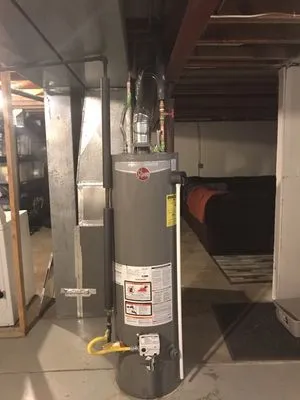
Yes, Jefferson County Building Safety requires a permit for water heater replacement, as it involves gas, water, and pressure safety. As a master plumber licensed by the Colorado State Examining Board of Plumbers, I pull all necessary permits and schedule the required inspections. This ensures the work meets current code for seismic strapping, proper venting, and pan drainage. Handling this red tape is part of the job, so you don't have to navigate the county bureaucracy yourself.
Does Dakota Ridge's hard water damage plumbing fixtures?
Yes, the mineral content from the South Platte River watershed leads to significant scale buildup. This limescale acts as an insulator in water heaters, forcing them to work harder and fail sooner. On fixtures, it clogs aerators and showerheads, reducing flow and pressure. Over years, scale accumulation inside pipes also reduces their internal diameter, which increases pressure stress and can contribute to the failure of older copper.
My copper pipes are original to my 1988 Dakota Ridge home. What should I expect?
Your plumbing system is now 38 years old. Copper that age, common in Dakota Station and the rest of the community, is entering a critical wear phase. Homeowners are now seeing a marked increase in pinhole leaks, especially at solder joints and elbows where water velocity and mineral contact are highest. This isn't a matter of if, but when, these age-fatigued sections will need attention. Proactive inspection of exposed pipes in basements and crawlspaces can help you spot the greenish-blue corrosion stains that signal a leak before it becomes a rupture.
Why are my 1980s copper pipes suddenly springing pinhole leaks?
Copper installed in 1988 has endured nearly four decades of internal water chemistry and pressure cycling. A primary failure mode at this stage is pinhole leaks caused by a combination of pipe thinning from minor internal erosion and localized corrosion. This is often accelerated in our area by hard water, which can create uneven scale deposits that trap water and create corrosive micro-environments against the pipe wall. The leaks frequently manifest along the bottom of horizontal runs or at fittings.
What's the most important spring plumbing tip for this area?
Prepare for the spring thaw. While our 18-degree lows are less severe than some areas, the freeze-thaw cycles in our temperate climate are what cause trouble. Before the nightly freeze ends, disconnect and drain your garden hoses. Insulate any exterior hose bibs, and know the location of your main water shut-off valve. A slow drip from faucets on very cold nights is a cheap insurance policy against a burst pipe from an unexpected deep freeze.
