Top Emergency Plumbers in Castle Pines, CO, 80108 | Compare & Call

There are 240 plumbing companies server in Castle Pines CO
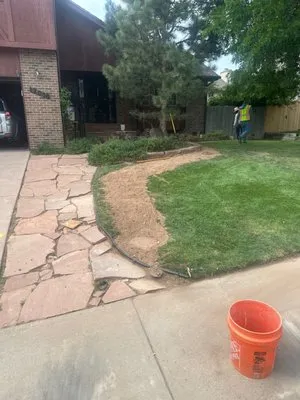
Founded in 2016, Hyper Flow Service is a locally owned Denver plumbing and drain company built on over a decade of hands-on experience in the metro area. We combine this deep local knowledge with mode...

My Denver Plumber has been providing reliable plumbing services to the Denver and Front Range areas since 2001. We specialize in residential, commercial, and industrial plumbing solutions, including d...
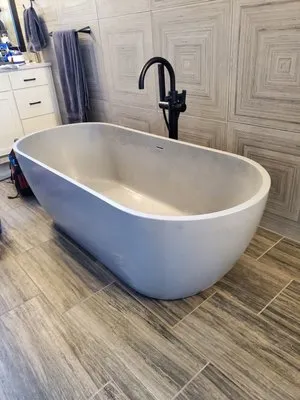
Colorado Plumbing Solutions
Colorado Plumbing Solutions is a locally owned and operated plumbing company that has been serving Englewood, Denver, and the surrounding metro area since 2011. With over 20 years of industry experien...

Just In Time Electrical & Plumbing
Just In Time Electrical & Plumbing is a trusted Thornton-based service provider with over 23 years of experience in both residential and commercial electrical and plumbing work. Founded by a professio...
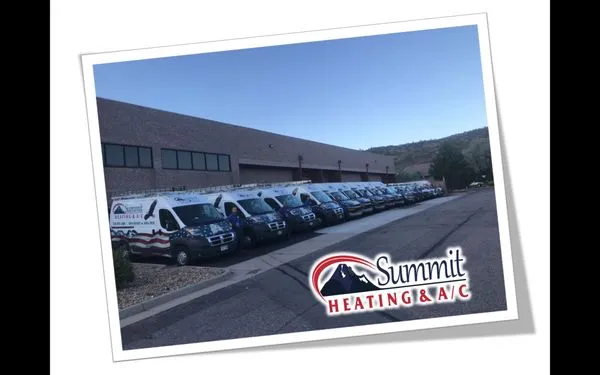
Summit Heating A/C Plumbing & Electric
Summit Heating A/C Plumbing & Electric is a locally owned and operated company serving Littleton and the Denver area since 1998. Founded by Bill Leech and Dean Peterson, the company is built on decade...
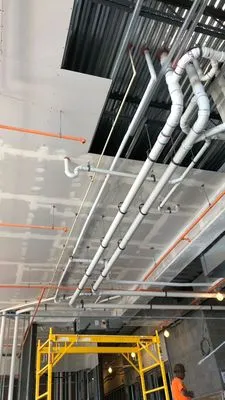
TCF Emergency Plumbing & Heating
TCF Emergency Plumbing & Heating is a Denver-based plumbing and HVAC service provider founded by Thomas, a master plumber with over 15 years of experience who relocated from Chicago to Colorado. With ...
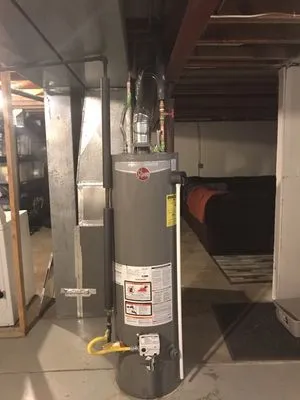
Euro Plumbing is a trusted, locally-owned plumbing company serving Aurora and the greater Denver metro area. With over a decade of experience, our licensed and insured team is committed to treating ev...

Mountain Men Plumbing is a locally owned and operated plumbing service in Lakewood, CO, built on 15 years of hands-on expertise. As a licensed and insured Master Plumber, I understand the unique needs...
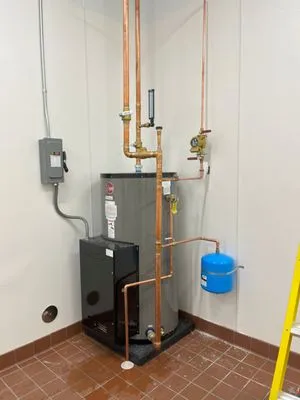
Integrity WaterWorks is your trusted, local plumbing partner in Parker, CO, built on 15 years of experience in both residential and commercial work. We're not a large, impersonal corporation with high...

Homeservice Plumbers is a locally-owned and operated plumbing company serving Centennial, CO, and the surrounding communities. We are committed to providing reliable, affordable, and friendly plumbing...
Estimated Plumbing Costs in Castle Pines, CO
Question Answers
How quickly can a plumber reach my home in Castle Pines during an emergency?
Heading past The Ridge at Castle Pines North on I-25, most service calls take 45-60 minutes from dispatch to arrival. Traffic patterns along the I-25 corridor affect exact timing, especially during peak commuting hours. We factor in Castle Pines' hilly terrain when estimating arrival, as some neighborhoods require additional navigation time. Having your exact address and describing the emergency helps us optimize the route.
What's causing these small leaks in my copper pipes?
Pinhole leaks in 25-year-old copper systems often result from electrolytic corrosion where dissimilar metals meet. In Castle Pines homes built around 2001, we frequently find failing dielectric unions at water heater connections. Scale buildup from hard water accelerates this process by creating concentration cells. Replacing these unions and installing proper dielectric separation prevents recurring leaks throughout the system.
What should I do to prepare my plumbing for Colorado spring weather changes?
Spring thaw brings rapid temperature swings from daytime warmth to 15°F overnight lows. Insulate exposed pipes in crawl spaces and garages before March, paying special attention to north-facing walls. Slowly increase your home's temperature if you've been away during winter rather than heating it rapidly. Check outdoor spigots for frost damage and ensure proper drainage away from your foundation as snow melts.
Could my home's hillside location be affecting my main water line?
Hilly terrain around The Ridge at Castle Pines North creates constant stress on main water lines from soil movement and settling. Slope drainage can expose pipes to freeze-thaw cycles not present in flat areas. We often find compromised service lines where they enter homes on steep lots. Installing expansion joints and proper bedding material around the main line prevents stress fractures from developing over time.
As a suburban homeowner, what plumbing issues should I watch for differently than city dwellers?
Municipal water pressure in Castle Pines tends to run higher than in denser urban areas, which accelerates wear on valves and fixtures. Tree roots seeking water can infiltrate lateral lines despite suburban spacing. Pressure regulators often need adjustment after 20 years of service. Unlike rural properties with wells, you'll want to monitor your water meter for unexplained usage that indicates hidden leaks in the municipal connection.
Why does my water heater need replacement so often in Castle Pines?
Water from the Denver Basin Aquifer contains high mineral content that forms scale inside water heaters. This insulating layer reduces efficiency and causes overheating at the bottom element. Over time, scale buildup leads to premature failure of heating elements and increased energy costs. Installing a whole-house water softener or using anode rods designed for hard water extends water heater life significantly.
What permits do I need for a plumbing repair in Castle Pines, and who handles them?
The City of Castle Pines Building Division requires permits for water heater replacements, re-piping, and any work affecting the main supply line. As a master plumber licensed by the Colorado State Plumbing Board, I handle all permit applications and inspections for clients. This includes coordinating with the building division for final approvals. You receive completed documentation for your records without dealing with the administrative process yourself.
My Castle Pines Village home was built around 2001 - should I be worried about my plumbing now?
Copper pipes installed in 2001 are now 25 years old, which is when many systems in Castle Pines Village start showing age-related issues. Homeowners often notice increased sediment in faucet aerators and occasional pressure fluctuations. The copper itself remains structurally sound, but solder joints and connections begin to fatigue. Regular inspections of visible plumbing in basements and crawl spaces can catch minor issues before they become emergencies.
