Top Emergency Plumbers in Acres Green, CO, 80124 | Compare & Call

There are 239 plumbing companies server in Acres Green CO
Bluefrog Plumbing + Drain
Bluefrog Plumbing + Drain is a trusted, locally-owned plumbing service serving Englewood, CO, and the surrounding communities. We operate with a straightforward promise: 24/7 availability without any ...
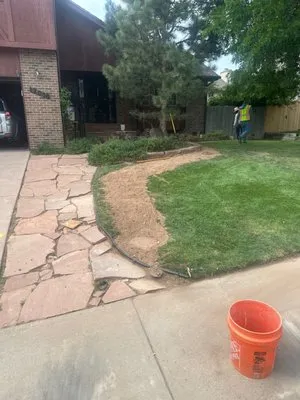
Founded in 2016, Hyper Flow Service is a locally owned Denver plumbing and drain company built on over a decade of hands-on experience in the metro area. We combine this deep local knowledge with mode...
My Denver Plumber has been providing reliable plumbing services to the Denver and Front Range areas since 2001. We specialize in residential, commercial, and industrial plumbing solutions, including d...
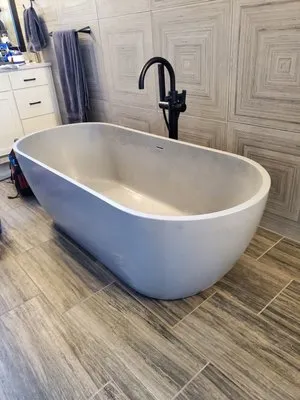
Colorado Plumbing Solutions
Colorado Plumbing Solutions is a locally owned and operated plumbing company that has been serving Englewood, Denver, and the surrounding metro area since 2011. With over 20 years of industry experien...
A-1 Discount Rooter Sewer And Drain Cleaning is Aurora's go-to solution for urgent drain and sewer problems. As seen on TV, we provide immediate, 24/7 response, with a fully equipped truck always on s...
Just In Time Electrical & Plumbing
Just In Time Electrical & Plumbing is a trusted Thornton-based service provider with over 23 years of experience in both residential and commercial electrical and plumbing work. Founded by a professio...
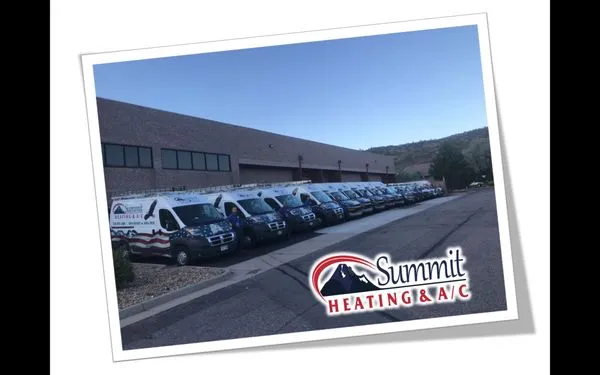
Summit Heating A/C Plumbing & Electric
Summit Heating A/C Plumbing & Electric is a locally owned and operated company serving Littleton and the Denver area since 1998. Founded by Bill Leech and Dean Peterson, the company is built on decade...
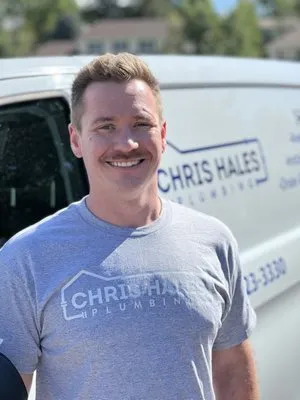
Chris Hales Plumbing provides reliable plumbing services in Greenwood Village, CO, and the South Denver Metro area. As a Licensed Master Plumber, Chris Hales leads a team that offers a wide range of r...
TCF Emergency Plumbing & Heating
TCF Emergency Plumbing & Heating is a Denver-based plumbing and HVAC service provider founded by Thomas, a master plumber with over 15 years of experience who relocated from Chicago to Colorado. With ...
Euro Plumbing is a trusted, locally-owned plumbing company serving Aurora and the greater Denver metro area. With over a decade of experience, our licensed and insured team is committed to treating ev...
Estimated Plumbing Costs in Acres Green, CO
FAQs
Who handles permits and inspections for plumbing work in Douglas County?
I file all required paperwork with the Douglas County Building Division and coordinate inspections. My Colorado State Plumbing Board license covers the specific codes for older copper systems here. You won't need to navigate red tape for repairs or replacements—I verify everything meets current standards before closing the job.
How quickly can a plumber reach my home in Acres Green during an emergency?
Heading past Bluffs Regional Park on I-25 gets me into your neighborhood within 30-45 minutes for urgent calls. That route avoids downtown congestion and lets me stage common copper repair parts in the truck. For non-emergencies, I schedule appointments to work around peak traffic on that corridor.
As a suburban homeowner, what should I know about my water pressure?
Municipal pressure here typically runs 50-70 PSI, but aging pressure regulators often fail silently. High pressure stresses old copper joints and appliance connections, while low pressure indicates pipe restrictions or leaks. Check your regulator's age—most last 10-15 years—and monitor pressure spikes that can precede leaks in 1970s plumbing.
What should I do before spring thaw to prevent plumbing issues?
Insulate exposed pipes in crawl spaces and garages before temperatures drop to 17°F. Disconnect and drain outdoor hoses, then shut off their interior valves. During rapid thaw cycles, check for new damp spots indicating pipe movement or joint failure. These temperate swings stress older plumbing more than consistent cold.
Could the hilly landscape near Bluffs Regional Park affect my main sewer line?
Slope changes put constant stress on main lines through soil shifting and root intrusion. Drainage from higher elevations can overload systems during heavy rain, while low spots develop standing water that corrodes pipes faster. I often find bellies or sags in lines where the ground has settled over decades, requiring excavation and replacement.
What causes those tiny leaks in my copper pipes that keep dripping?
Pinhole leaks develop where mineral scale buildup creates corrosive pockets against the pipe wall. In 1975-era copper, this often happens at solder joints where different metals meet without proper dielectric separation. The pitting starts microscopically but penetrates the pipe over months, leading to those persistent drips that stain drywall.
Why are so many Acres Green homes having plumbing problems lately?
Copper pipes installed around 1975 are now 51 years old. At this age, the protective lining inside the pipes has worn thin from decades of water flow and mineral interaction. Homeowners are seeing pinhole leaks in walls and ceilings, especially near joints where corrosion accelerates. This isn't sudden failure but the predictable outcome of copper reaching its service life in our water conditions.
Does hard water from the South Platte River damage my water heater?
Mineral deposits from our hard water accumulate inside water heater tanks and on heating elements. Scale buildup reduces efficiency by insulating the heat source, forcing longer run times and higher bills. In tankless units, it can completely block flow channels. Annual flushing helps, but after 10-15 years, the cumulative damage often requires replacement.
