Top Emergency Plumbers in Westmont, CA, 90044 | Compare & Call

There are 237 plumbing companies server in Westmont CA

911 Plumbing Services
911 Plumbing Services has been a trusted, family-owned plumbing provider in Los Angeles since 2003. Founded by Greg and George, who together bring over three decades of hands-on experience to the trad...
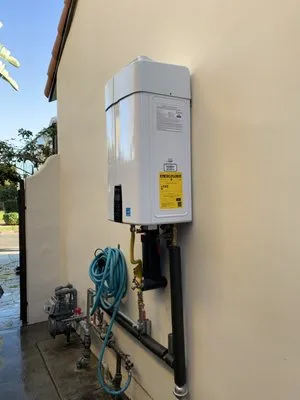
Rishon Plumbing & Water Heaters is a Los Angeles-based, family-owned plumbing company with deep roots in the trade. We continue a legacy of skillful, reliable service, bringing that expertise to every...

Shim's Plumbing is your trusted, local plumbing partner serving Los Angeles. We focus on solving your plumbing problems with reliable service, clear communication, and a commitment to getting the job ...
Right Price Rooter and Plumbing is a family-owned and operated Glendale plumbing company with over 40 years of dedicated service. Founded on the principles of integrity and deep local knowledge—owner ...
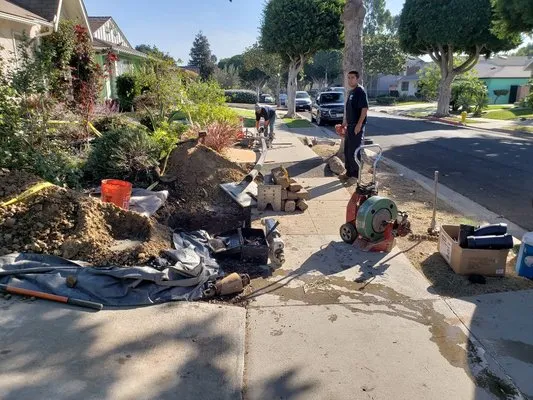
Rapid Action Rooter
Rapid Action Rooter brings over six decades of plumbing expertise to the Los Angeles area, including Hawthorne. Our team is built on a heritage of skilled workmanship, combining extensive knowledge in...
Pacific Plumbing Team
Pacific Plumbing Team is a family-owned and operated plumbing contractor serving Los Angeles with deep roots in the trade. Founded by someone who discovered their passion for fixing things as a child ...
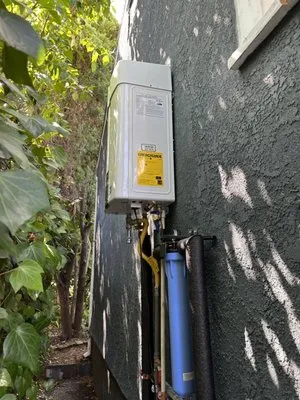
Z&H Plumbing & Water Heaters is a trusted, family-owned business serving Los Angeles for over 20 years. Founded by an owner who turned a passion for plumbing and entrepreneurship into a thriving local...
For three decades, Ace Plumbing and Rooter has been a trusted, family-owned name in West Los Angeles. Founded by a father and now operated alongside his son Chris, the business is built on a foundatio...
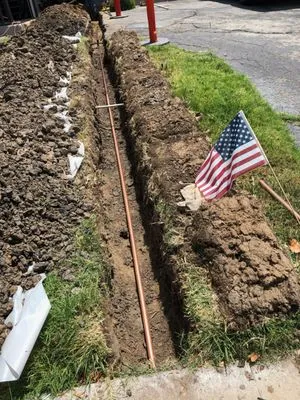
Major League Plumbing
Major League Plumbing is a locally-owned and operated Los Angeles plumbing company, built on a foundation of family tradition and modern expertise. Owner Rodrigo, a second-generation plumber with over...
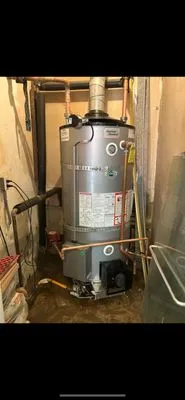
ACR Professional Plumbing is a trusted Los Angeles plumbing contractor founded by owner Jose "Carlos" Jimenez. With over 12 years of industry experience and 6 years focused on commercial work, ACR com...
Estimated Plumbing Costs in Westmont, CA
Questions and Answers
How fast can a plumber get to Westmont in an emergency?
Heading past SoFi Stadium on I-110 puts us on a direct route into Westmont. Our typical dispatch from the stadium area takes 30 to 45 minutes, depending on traffic. We route our trucks to avoid the worst of the congestion, aiming for the surface streets off the 110 as soon as possible to reach your home.
We're on city sewer. Why do my drains keep clogging?
In an urban setting like Westmont, you're connected to the municipal sewer main under the street. The most common issue isn't with the city's line, but with your private sewer lateral. Tree roots seek out the moisture and minor cracks in the old pipe, infiltrating and creating a dense mat that catches everything. Regular hydro-jetting is often needed to clear these roots and restore full flow.
What's one plumbing tip for Westmont's mild but rainy winters?
Our winter rainy season peaks with temperatures that can dip to around 48°F. A key pro-tip for this temperate climate is to disconnect and drain your garden hoses before the first forecasted rain. A hose left connected traps water in the exterior bib, which can freeze during a cold night and crack the pipe inside your wall, leading to a major leak when the weather warms up.
Do I need a permit to replace my water heater or repipe my house?
Yes, the Los Angeles Department of Building and Safety requires permits for major plumbing work like re-pipes and water heater replacements. As a contractor licensed by the Contractors State License Board, I pull those permits, schedule the required inspections, and ensure the work meets all current code. My job is to handle that red tape so your project is documented and compliant from start to finish.
Why do the homes in Westmont Park have such frequent plumbing issues?
Your home's original galvanized steel pipes are about 71 years old now. Steel rusts from the inside out, so the pipe walls are thinning significantly. What you see as a sudden drip or drop in pressure is often the final stage of decades of internal corrosion. In Westmont Park, we're routinely replacing entire runs of this original pipe that have become completely restricted or are actively springing pinhole leaks.
Does our water quality affect my water heater or fixtures?
Water from the State Water Project is hard, meaning it has a high mineral content. Over time, that mineral scale coats the inside of your water heater tank and heating elements, forcing the unit to work harder and fail sooner. It also crusts up inside faucet cartridges and valve seats, causing drips and reduced flow. A whole-house water softener is the standard defense against this accelerated wear.
Could the local landscape be causing my main drain to back up?
Westmont's low-lying terrain, similar to the area around SoFi Stadium, affects drainage. Over decades, the natural settling of the soil can put stress on and misalign your main sewer line. This creates low spots where waste collects and causes repeated blockages, or high spots at joints that have separated. It often requires a camera inspection to pinpoint these specific grade issues.
What's happening inside my old galvanized pipes?
Galvanized steel installed around 1955 suffers from joint calcification and internal rust scale. That scale buildup narrows the pipe's interior diameter, which severely reduces water volume at your faucets. The rust also creates a rough surface that accelerates wear, leading to weak spots and pinhole leaks, especially at threaded joints where the protective zinc coating was compromised during installation.
