Top Emergency Plumbers in West Menlo Park, CA, 94025 | Compare & Call

There are 236 plumbing companies server in West Menlo Park CA
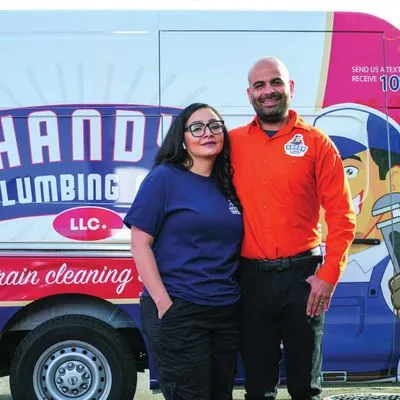
Handy Plumbing Man
Handy Plumbing Man is your local, licensed plumbing contractor serving San Carlos and the greater Bay Area. Founded by Marco, a plumber with over 15 years of experience gained working for major compan...

EJ Home Services
EJ Home Services is a family-owned plumbing and electrical company serving Santa Clara and the Bay Area. Founded on over 20 years of hands-on experience, we bring a personal, dedicated approach to eve...
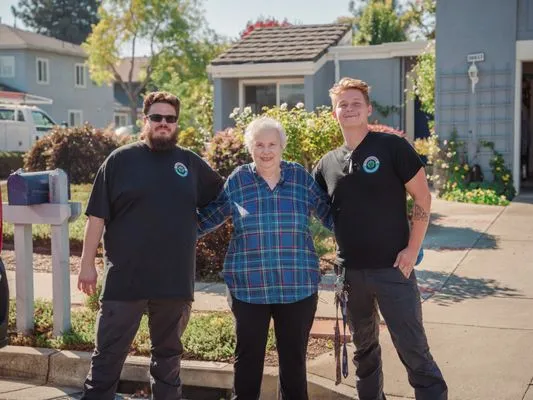
Plumbtree Plumbing and Rooter
Plumbtree Plumbing and Rooter has been a trusted name in the San Jose area for over 20 years. Founded by Glenn Hammonds, the company is built on deep industry knowledge and a passion for helping neigh...
United HVAC, Plumbing & Electrical
United HVAC, Plumbing & Electrical is a trusted home service provider serving Cupertino, CA, with over 25 years of experience in the industry. Founded in 1997 and now locally operated, we specialize i...
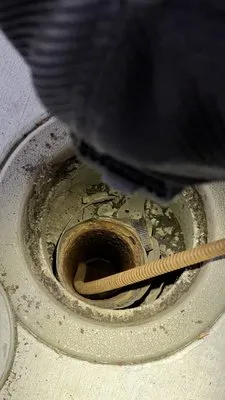
I'm Ed, a #1 Honest Plumber based right here in the Bay Area. My career began on a roof and moved through concrete before I found my true calling in plumbing over 12 years ago. This hands-on journey t...
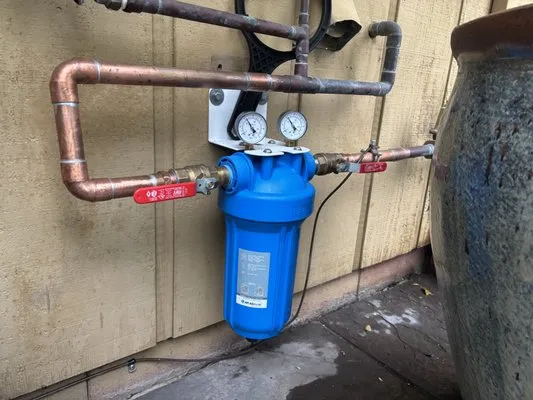
Smash Plumbing is a locally owned and operated plumbing service in Campbell, CA, trusted by residents and businesses for over a decade. We believe being invited into your home is a privilege, which is...
Water Quality Plumbing
Water Quality Plumbing is a family-owned, San Jose-rooted plumbing company established in 1970. Founder Marty Satalino Sr. built the business on a commitment to providing a great overall customer expe...

JB Rooter and Plumbing
JB Rooter and Plumbing is a licensed plumbing service provider in San Jose, CA, offering comprehensive repair and installation services. From small jobs like faucet installs and toilet repairs to larg...
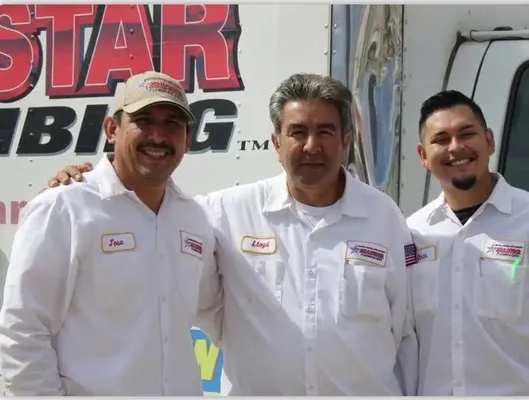
Allstar Plumbing is a licensed, family-owned plumbing company serving San Jose, CA since 1996. Founded by a third-generation plumber with a commitment to professionalism, we've grown from two used van...

Gomez Sewer & Drain
Founded in 2005 by Master Plumber Santos Gomez, Gomez Sewer & Drain is a family-operated plumbing service rooted in the San Jose community. With over 18 years of experience, Santos built the company o...
Estimated Plumbing Costs in West Menlo Park, CA
FAQs
As a suburban homeowner, what's my responsibility for the sewer line?
You own and are responsible for the sewer lateral from your house out to the connection with the municipal main in the street. In these established neighborhoods, tree roots seeking moisture are the most common invader, infiltrating old joints and causing blockages or cracks. Regular camera inspections can catch root intrusion before it causes a full backup.
Could the hills around my Stanford Hills home cause plumbing problems?
The hilly terrain directly stresses underground main sewer lines. Gravity pulls the downhill soil, which can gradually shift or settle, putting lateral stress on pipe joints. This often leads to misaligned connections or cracked pipes at the house foundation. Proper slope for drainage is also more critical here to prevent water from pooling against the foundation.
What's one thing I should do before winter storms hit to protect my plumbing?
Before temperatures dip near the winter lows around 39°F, locate and insulate any exposed pipes in unheated crawlspaces or garages. In our temperate climate, these brief cold snaps are the primary cause of frozen pipes. A simple pro-tip is to let a faucet drip during a hard freeze; moving water is much less likely to ice up inside your lines.
How quickly can a plumber get to West Menlo Park during an emergency?
A local dispatch from our shop runs about 25 to 35 minutes. Heading past Stanford University on I-280 west, we take the Sand Hill Road exit. From there, we’re in the Stanford Hills neighborhoods, navigating the local streets directly to your address.
Why do my galvanized steel pipes keep springing pinhole leaks?
After six decades, galvanized steel corrodes from the inside out. Minerals in our water accelerate this, causing scale buildup that further restricts flow and traps moisture against the pipe wall. This creates concentrated corrosion points that eventually wear through, resulting in those frustrating pinhole leaks, often at threaded joints or where pipes rest against a stud.
Who pulls permits for a repipe or water heater replacement in San Mateo County?
Any major plumbing alteration requires a permit from the San Mateo County Planning and Building Department. As a licensed contractor with the CSLB, I handle that red tape directly. This ensures the work is inspected and coded properly, which is crucial for your home's value and safety, and it’s a process I manage so you don't have to.
My West Menlo Park house was built in the 1960s. What should I expect from my plumbing now?
Plumbing installed around 1962 is now 64 years old. Galvanized steel pipes in Stanford Hills are entering their final years of service. Homeowners commonly see a marked drop in water pressure from internal rust buildup, and they start to notice reddish-brown discoloration in their water. These are clear signs the pipe walls are thinning and total failure is a matter of when, not if.
Does Hetch Hetchy water damage my water heater?
Water from Hetch Hetchy is very hard, meaning it has a high mineral content. Over time, these minerals precipitate out as scale, which settles and accumulates at the bottom of your tank-style water heater. This insulating layer causes the heater to work harder, significantly reducing its efficiency and lifespan while increasing the risk of overheating and premature tank failure.
