Top Emergency Plumbers in South San Francisco, CA, 94080 | Compare & Call

South San Francisco Emergency Plumbers
Phone : (888) 860-0649
There are 234 plumbing companies server in South San Francisco CA
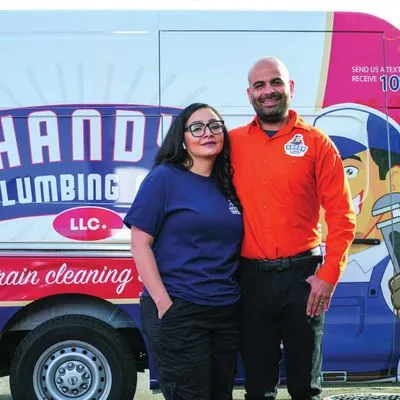
Handy Plumbing Man
Handy Plumbing Man is your local, licensed plumbing contractor serving San Carlos and the greater Bay Area. Founded by Marco, a plumber with over 15 years of experience gained working for major compan...

Proper Hour Home Services
Hello, I'm Vadim, owner of Proper Hour Home Services. Based in Santa Clara, we are a licensed and insured team dedicated to reliable home repairs and renovations for the South Bay Area. We handle ever...
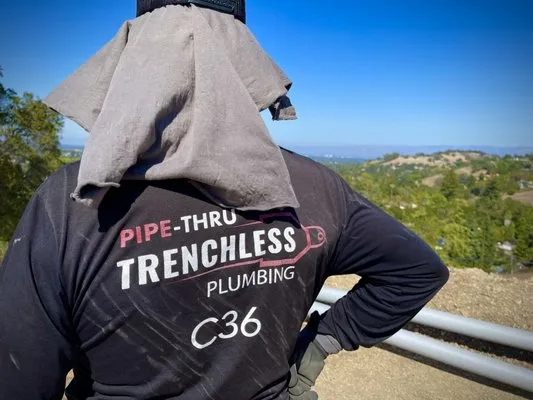
Pipe-Thru Trenchless Plumbing is a licensed plumbing company based in San Jose, CA, specializing in advanced trenchless technology for residential and commercial properties. We focus on providing effi...

Fuse HVAC, Refrigeration, Electrical & Plumbing
Fuse HVAC, Refrigeration, Electrical & Plumbing is a San Jose-based home services company founded by trained engineers. We've grown from a small local AC and appliance repair business into trusted exp...
Freedom Underground Plumbing
Founded by Freddy Porras in 2014, Freedom Underground Plumbing brings over two decades of dedicated expertise to San Jose. Freddy's journey began in 2002, the year his daughter was born, when he chose...
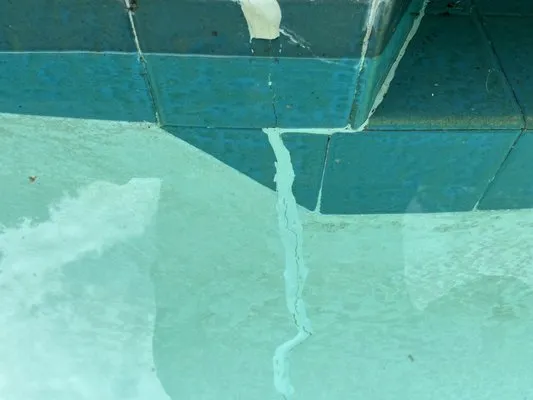
South Bay Leak Detection is a veteran-owned and operated service in San Jose, founded by a former Marine with over a decade of specialized experience. After serving tours in Iraq, the owner settled in...
TrenchFree, founded by Juan Diaz, began as JD Plumbing in 2007 and evolved into the San Francisco Bay Area's first dedicated trenchless plumbing contractor. The company was born from a desire to prote...
Wizard Plumbing and Drain
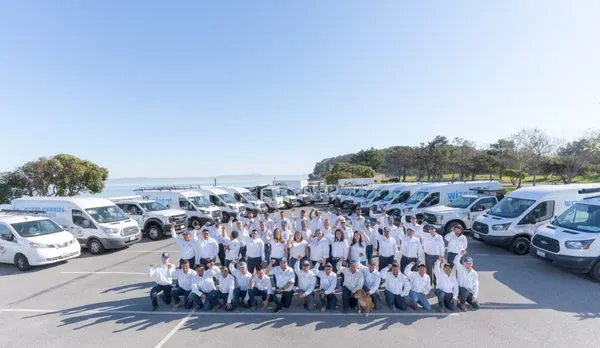
Wizard Plumbing and Drain is a family-owned and operated plumbing company proudly serving San Mateo and the surrounding Bay Area. As local residents ourselves, we understand the unique plumbing needs ...
Mike Counsil Plumbing and Rooter
Mike Counsil Plumbing and Rooter has been a trusted, family-owned fixture in the San Jose and South Bay Area since 1994. Founded by Mike, who built his reputation on professionalism and meticulous wor...
Mario's Plumbing And Drains
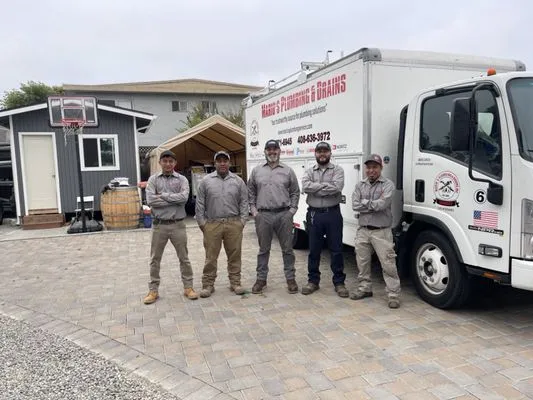
Mario's Plumbing And Drains is a family-owned and operated Redwood City plumbing contractor, established in 2019 by Mario, a licensed professional with over 18 years of dedicated experience. More than...
Estimated Plumbing Costs in South San Francisco, CA
FAQs
Could the hills around Sign Hill Park be causing my drainage issues?
Hilly terrain places constant stress on main sewer lines through soil shifting and gravitational pull on pipe joints. Homes on slopes often experience bellies in their sewer lines where sections sag over decades, creating low spots that collect debris and cause backups. Surface runoff during rains can saturate soil around foundations, increasing hydrostatic pressure that cracks older pipe connections. Proper grading and periodic camera inspections identify these issues before they become emergencies.
As a suburban homeowner, what should I know about my water pressure and sewer connections?
Municipal pressure in South San Francisco typically runs 60-80 PSI, which stresses aging galvanized pipes more than modern materials. Tree roots seek out the slight moisture at old pipe joints, invading sewer laterals and causing blockages that require hydro-jetting. Unlike rural systems with wells and septic tanks, you're connected to city water and sewer mains, meaning repairs often require coordination with municipal shutoffs and inspections.
How quickly can a plumber reach my South San Francisco home in an emergency?
Heading past Sign Hill Park on US-101 gets me to most Old Town addresses within 20-30 minutes during normal traffic. I keep a truck stocked with common repair parts for galvanized systems so we can address immediate issues on the first visit. Knowing the hill layout helps me anticipate which homes might have pressure or drainage complications before I arrive.
What should I do before winter rains hit to prevent plumbing problems?
Insulate exposed pipes in crawl spaces and attics before temperatures drop to 42°F. Clear roof drains and gutter downspouts in October so winter rains drain away from your foundation instead of pooling. Check your water heater's pressure relief valve - temperature fluctuations during rainy season can cause pressure spikes that stress old plumbing. A simple inspection now prevents emergency calls during peak storm periods.
What permits or regulations should I consider for plumbing work in South San Francisco?
The South San Francisco Building Division requires permits for repiping, water heater replacements, and sewer line repairs. I handle the red tape so you don't have to - pulling permits, scheduling inspections, and ensuring work meets current code. My Contractors State License Board credentials mean I'm bonded and insured for your protection. Proper documentation prevents issues when you sell your home, as unpermitted work can complicate transactions.
My Old Town home was built around 1962 - should I be worried about the plumbing?
Galvanized steel pipes installed in 1962 are now 64 years old, well beyond their 40-50 year lifespan. Homeowners in Old Town are seeing rust-colored water, reduced pressure from mineral buildup inside the pipes, and frequent leaks at threaded joints. The zinc coating has worn away completely, leaving bare steel that corrodes from the inside out. This corrosion creates uneven surfaces where sediment accumulates, further restricting water flow throughout the house.
Does our Hetch Hetchy water affect plumbing fixtures differently?
Hetch Hetchy delivers exceptionally soft water with low mineral content. While this means less scale buildup in pipes, the soft water is more corrosive to metal components over time. Water heaters experience accelerated anode rod depletion, requiring replacement every 3-4 years instead of the typical 5-6. Fixtures with brass or copper internals may develop dezincification where zinc leaches out, leaving porous copper that eventually fails.
Why do my pipes keep springing small leaks even after repairs?
Galvanized steel from the 1960s develops pinhole leaks as the interior walls thin from corrosion. These aren't random failures - they occur where oxygen in the water accelerates rusting, typically at joints or where pipes contact dissimilar metals. Joint calcification from 64 years of mineral deposits creates stress points that crack under normal pressure fluctuations. Complete repiping often becomes more cost-effective than chasing individual leaks.
