Top Emergency Plumbers in Rancho Tehama Reserve, CA, 96021 | Compare & Call

Rancho Tehama Reserve Emergency Plumbers
Phone : (888) 860-0649
There are 19 plumbing companies server in Rancho Tehama Reserve CA

Wiser Plumbing is a veteran-owned, family-operated plumbing service based in Kelseyville, CA, with deep roots in Lake and Mendocino counties. Founded by Brad in 1994, the company has been plumbing hom...

Mattes Construction
Mattes Construction is a trusted plumbing service provider based in Citrus Heights, CA, dedicated to helping local homeowners tackle common plumbing issues. We specialize in thorough plumbing inspecti...
Rooter Scooter Sewer & Drain Service is a trusted, family-owned plumbing company serving Redding and the surrounding Shasta and Tehama counties. With over four decades of experience, our licensed and ...
Matrix Plumbing & Rooter has been a trusted provider of plumbing and rooter services for Redding, CA residents and businesses since 2021. Our team offers comprehensive solutions, from emergency repair...
Card Plumbing is a locally owned and operated service serving Corning, CA. Founded in 2021 by a plumber with over a decade of experience, we're a family-run business that treats our customers like par...

Chaney & Miller Construction
Chaney & Miller Construction is a family-owned and operated business serving Orland and Northern California with over three decades of trusted construction experience. We are your local partner for a ...

DDL Home Improvement
For over 15 years, DDL Home Improvement has been the trusted local contractor for Anderson homeowners. We specialize in comprehensive plumbing and home improvement services, from fixing a leaky faucet...
All-Star Plumbing
All-Star Plumbing is a locally-owned and operated plumbing company serving residential and commercial clients in Corning and the surrounding area. We take pride in being a part of this community, and ...
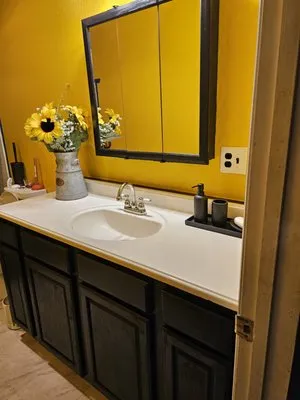
Anything Maintenance is a trusted local handyman and repair service in Susanville, CA, founded on the principle of community support. We believe everyone deserves reliable home maintenance, regardless...
Mr. Rooter Plumbing of Chico
Mr. Rooter Plumbing of Chico has been providing reliable plumbing services to the Chico community for over 25 years. As a locally-owned and operated business, we understand the unique plumbing needs o...
Estimated Plumbing Costs in Rancho Tehama Reserve, CA
Common Questions
How fast can a plumber get to Rancho Tehama Reserve for an emergency?
A standard dispatch route from Red Bluff heads out past Thomes Creek on I-5 before turning onto local roads. Under ideal traffic, that's a 60-minute drive. During peak hours or with weather, it can stretch to 90 minutes. For critical leaks, we advise homeowners to locate their main water shutoff valve immediately to minimize damage while we're en route.
Could the hilly land around Thomes Creek be causing my drainage issues?
Absolutely. The slope common in Rancho Tehama Reserve puts constant, uneven stress on main sewer lines and water service entrances. Over decades, this can cause joints to separate or pipes to sag, creating belly points where waste collects and blocks flow. For drainage, surface water follows gravity down slopes, which can overwhelm French drains or septic leach fields not graded for the specific runoff volume.
What kind of plumbing problems should I expect in a Rancho Tehama Reserve home built in the early 90s?
Copper piping installed in 1992 is now 34 years old. In Rancho Tehama Reserve Community, that age means we're seeing accelerated wear. Homeowners frequently report pinhole leaks behind walls or under slabs, and a noticeable drop in water pressure from internal scale buildup. This is the typical service life for that generation of copper, so proactive inspection is more valuable now than reactive repair.
How does our hard well water affect my home's plumbing fixtures?
Private wells here pull water with high mineral content. That scale deposits inside pipes, water heaters, and fixture cartridges. A water heater's efficiency can drop 30% as scale insulates the heating element, and it causes premature failure. For fixtures, you'll see reduced flow at aerators and seized shower valves. A whole-house water softener or conditioner is the standard defense to protect your hardware.
Are plumbing issues different here because we're on a private well and septic system?
Yes, rural systems operate independently. A failing pressure switch on your well pump can mimic a plumbing leak with no water flow. Septic backups into drains are a plumbing symptom of a septic field problem, not a clogged city sewer. Maintenance focuses on the entire chain: well equipment, pressure tank, interior plumbing, and the septic tank. Understanding this integrated system is key to diagnosing the real issue.
What permits are needed for a repipe or water heater replacement in Tehama County?
Most substantial plumbing work requires a permit from the Tehama County Building & Safety Division. As a CSLB-licensed contractor, I pull those permits, schedule inspections, and ensure the work meets current code. This handles the red tape for you, from proper seismic strapping on water heaters to verifying pipe sizing and venting. It protects your home's value and ensures the system is safe and insurable.
Why are my copper pipes suddenly springing leaks?
Copper from 1992 is prone to a specific failure mode called Type M pinhole corrosion. The thin wall of Type M tubing, combined with our area's aggressive well water, causes microscopic pits that eventually penetrate. You'll often find these leaks at solder joints or in horizontal runs where water sits. Repairs typically require re-piping sections, as patching one pinhole often leads to another nearby.
What's the most important thing to do before winter to prevent frozen pipes here?
Temperate winters can mislead homeowners, but our 36-degree lows are enough to freeze exposed lines. The pro-tip is to disconnect, drain, and store all garden hoses by late November. An overlooked hose bib can freeze and crack the interior valve, leading to a major leak inside the wall when the hose is removed in spring. Insulating pipes in unheated crawl spaces is also critical.
