Top Emergency Plumbers in Rancho Calaveras, CA, 95252 | Compare & Call

There are 100 plumbing companies server in Rancho Calaveras CA
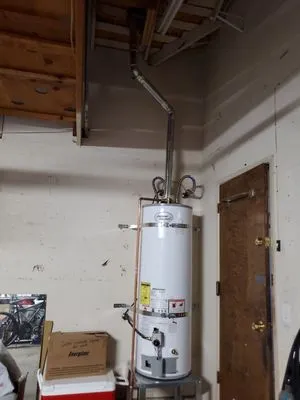
Advanced Copper Systems
Advanced Copper Systems in Newman, CA is a locally owned and operated plumbing business founded by Gus H., a Journeyman Plumber with 18 years of experience. Since starting the company in 2017, Gus has...

Millennium Plumbing Specialist
Millennium Plumbing Specialist is a family-owned and operated company proudly serving Sacramento. Founded in 2021 by a master plumber with over 20 years of experience, we are deeply rooted in our comm...
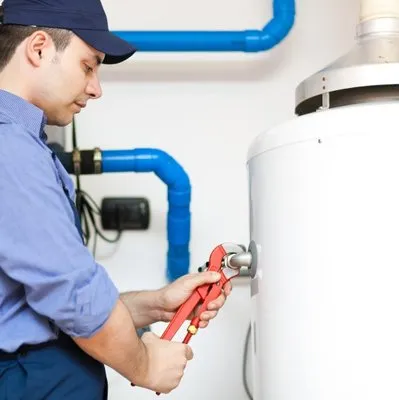
Jay Drohan, known as The Water Heater Man, is a licensed plumbing contractor serving Rocklin, CA since 1992. As a third-generation plumber and local family man, Jay personally handles every installati...
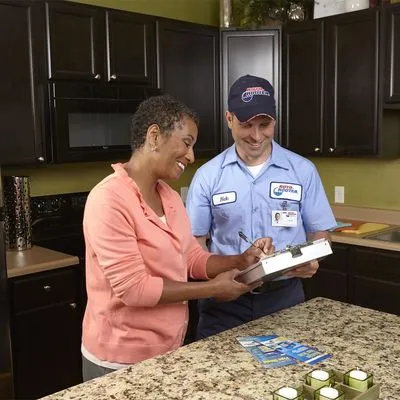
Roto-Rooter Plumbing & Water Cleanup
Roto-Rooter Plumbing & Water Cleanup has been serving Sacramento, CA, with reliable residential and commercial plumbing and drain services for over 80 years. As your dependable 24-hour plumber, we off...

Parra's Construction is a trusted general contracting company serving Sacramento, CA, and surrounding areas. With over 10 years of experience, we specialize in residential, commercial, and industrial ...

JS Plumbing and Drain is a family-owned plumbing service based in Pioneer, CA, with over 18 years of combined experience. We specialize in a comprehensive range of plumbing solutions for both resident...
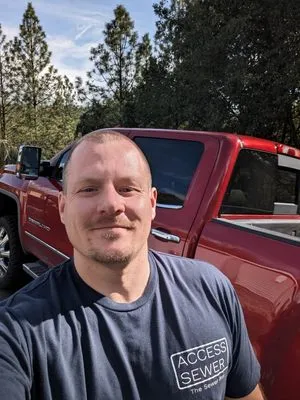
Access Sewer is a veteran-owned plumbing and sewer company proudly serving Citrus Heights and the wider Northern California region. Founded on the principle of exceptional customer service, the busine...
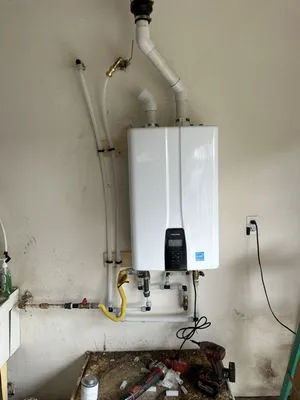
Pat Murphy Plumbing & Backhoe
Pat Murphy Plumbing & Backhoe is a family-owned plumbing and excavation service based in Mokelumne Hill, CA, with over 30 years of dedicated service to the local community. As a third-generation plumb...
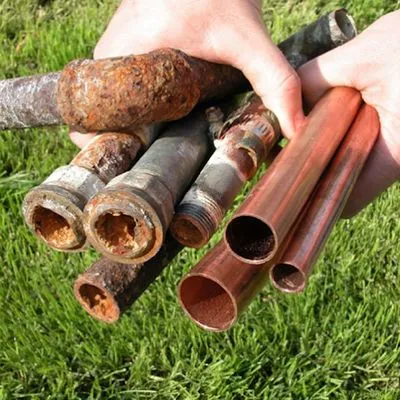
Repipe Specialists - Sacramento, CA is a C-36 licensed plumbing contractor dedicated to serving homeowners throughout the Greater Sacramento Metro Area. Since our founding in 1991, we've built a reput...

Cornerstone Property Maintenance is a licensed, full-service company serving the Sacramento area. We specialize in handling a wide range of essential home maintenance needs under one roof, from electr...
Estimated Plumbing Costs in Rancho Calaveras, CA
Frequently Asked Questions
Does hard water from private wells damage plumbing systems?
Hard water causes scale buildup that reduces pipe diameter and water pressure over time. In homes with private wells, this mineral accumulation accelerates wear on water heater elements and fixture cartridges. The calcium and magnesium deposits act as an abrasive inside pipes, thinning copper walls faster than in areas with treated municipal water. Installing a whole-house water softener protects appliances and extends plumbing system lifespan significantly.
How does hilly terrain affect my home's drainage system?
The sloping landscape around Calaveras River creates drainage challenges that stress main sewer lines. Gravity flow systems must navigate elevation changes that can cause sediment accumulation in low spots. Downhill properties often experience increased pressure on pipe joints, while uphill homes may have slow drainage due to insufficient slope. Properly graded drain lines and occasional hydro-jetting prevent backups caused by the natural movement of soil and debris on hillsides.
How quickly can a plumber reach my home in Rancho Calaveras?
Heading past Calaveras River on State Route 26, our typical dispatch route covers most of the community within 45-60 minutes. The winding roads and hilly terrain require careful driving with a fully stocked service vehicle. We maintain this response window by staging equipment strategically and monitoring weather conditions that might affect travel times during winter months.
What plumbing issues are unique to rural Rancho Calaveras homes?
Rural properties here combine private wells with septic systems, creating interdependent systems that municipal homes don't face. Well pump failures immediately affect the entire house, while septic backups can indicate drainage field issues rather than simple clogs. The distance between structures means longer pipe runs that require proper support and insulation. Maintaining both well and septic components as a coordinated system prevents cascading failures that urban plumbers might not anticipate.
How long do copper pipes last in Rancho Calaveras homes?
Copper plumbing installed around 1994 is now 32 years old. Homeowners in Rancho Calaveras Estates are seeing increased frequency of pinhole leaks and joint failures as the pipes reach this age. The original solder joints and pipe walls thin from decades of water flow and mineral interaction. This aging process accelerates in our area due to hard water conditions, making proactive inspection worthwhile before major failures occur.
Why are my 1990s copper pipes suddenly leaking?
Copper pipes from the mid-1990s often develop pinhole leaks due to electrolytic corrosion and scale buildup. The solder joints from that era can fail as the flux deteriorates over three decades. In Rancho Calaveras Estates, the combination of hard water and original installation methods means these failures typically cluster around fixtures and where pipes change direction. Re-piping affected sections with dielectric unions prevents galvanic corrosion between dissimilar metals.
What winter plumbing precautions work best for our temperate climate?
When temperatures drop to 37°F during winter storm season, exposed pipes in crawl spaces and garages need insulation. A pro-tip for our temperate climate: drain irrigation systems completely before the first freeze and maintain heat tape on well equipment. Unlike colder regions, our pipes rarely freeze solid, but repeated mild freezing and thawing cycles can cause hairline cracks that leak when pressure returns. Keeping cabinet doors open during cold snaps allows warm air to circulate around sink plumbing.
Who handles permits for plumbing work in Calaveras County?
The Calaveras County Building Department requires permits for most plumbing modifications, especially when touching well or septic systems. As a contractor with active CSLB licensing, I handle this red tape directly—submitting plans, scheduling inspections, and ensuring all work meets current code. Homeowners avoid bureaucratic delays while maintaining proper documentation for insurance and future sales. This compliance matters particularly for well modifications that affect water quality testing requirements.
