Top Emergency Plumbers in Pleasure Point, CA, 95062 | Compare & Call

There are 234 plumbing companies server in Pleasure Point CA
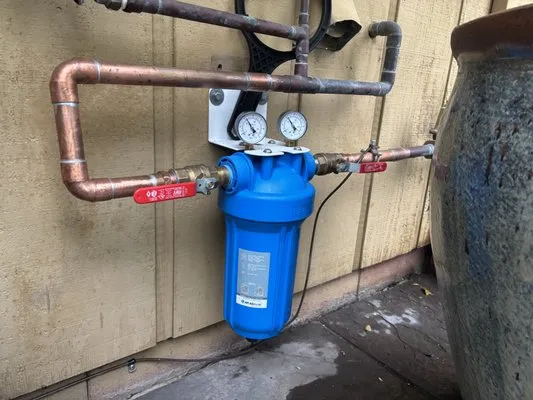
Smash Plumbing is a locally owned and operated plumbing service in Campbell, CA, trusted by residents and businesses for over a decade. We believe being invited into your home is a privilege, which is...
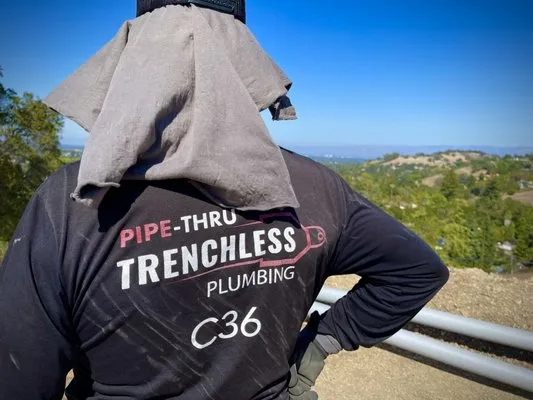
Pipe-Thru Trenchless Plumbing is a licensed plumbing company based in San Jose, CA, specializing in advanced trenchless technology for residential and commercial properties. We focus on providing effi...

Freedom Underground Plumbing
Founded by Freddy Porras in 2014, Freedom Underground Plumbing brings over two decades of dedicated expertise to San Jose. Freddy's journey began in 2002, the year his daughter was born, when he chose...

Jazz Heating, Cooling, Plumbing & Electrical
Jazz Heating, Cooling, Plumbing & Electrical is a family-owned service provider serving Pleasanton, CA, and the wider Bay Area since 2014. With over three decades of combined experience, the team spec...
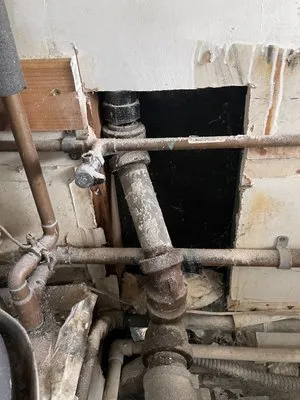
Charleys Plumbing is a family-owned and operated plumbing service deeply rooted in the San Jose community. For decades, the owner has built a career in the trades, starting in HVAC before becoming a l...
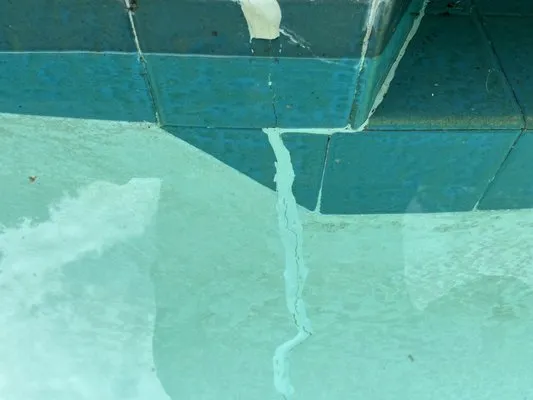
South Bay Leak Detection is a veteran-owned and operated service in San Jose, founded by a former Marine with over a decade of specialized experience. After serving tours in Iraq, the owner settled in...
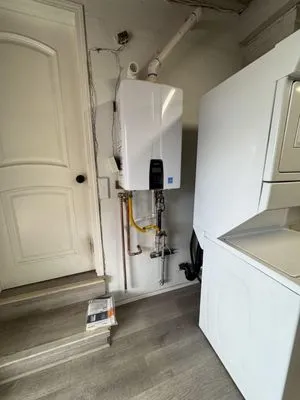
With over a decade of hands-on experience, Best Bay Plumbing and Rooter is a trusted local plumbing service for San Jose residents and businesses. We handle the full spectrum of plumbing work, from si...
TrenchFree, founded by Juan Diaz, began as JD Plumbing in 2007 and evolved into the San Francisco Bay Area's first dedicated trenchless plumbing contractor. The company was born from a desire to prote...
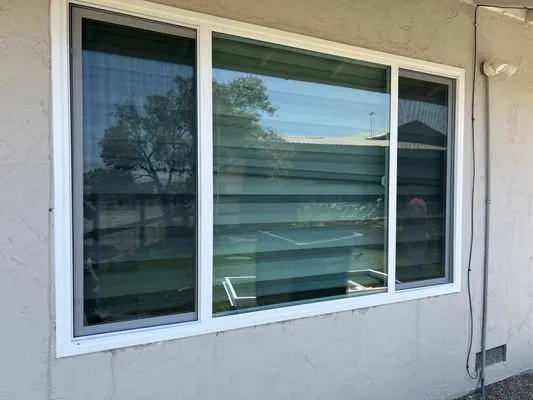
Mr Repair Handyman Service is a licensed and experienced home repair business serving San Jose, CA, with a focus on practical solutions for local homeowners. Founded in 2016 by a professional with eig...
Aaron's Plumbing & Rooter is a trusted local plumbing service in Gilroy, CA, founded by a master plumber with over 24 years of experience. We specialize in a comprehensive range of plumbing solutions,...
Estimated Plumbing Costs in Pleasure Point, CA
Q&A
How long does it take a plumber to get to Pleasure Point?
From our shop, heading past Pleasure Point Park on State Route 1, we plan for a 30 to 45 minute response. Traffic on the 1 can slow the route, so we factor that in when giving you a window. For urgent calls, we dispatch immediately with that travel time in mind.
What permits are needed for a repipe in Santa Cruz County?
Most repipe projects require a permit from the Santa Cruz County Planning Department. As a CSLB licensed contractor, I handle pulling that permit and scheduling the required inspections. This ensures the work meets current code and is documented for your home's records, so you don't have to navigate the red tape.
What's the most important winter plumbing tip for Pleasure Point?
While our lows rarely hit freezing, winter storm season brings cold, damp spells that can affect exposed pipes. The pro-tip is to insulate any plumbing in unheated crawl spaces or against exterior walls. A single cold night against a foundation can be enough to cause a split in an old pipe.
As a suburban home here, what are my main sewer line concerns?
Your main concern is the lateral line from your house to the municipal sewer. In this setting, tree roots seeking moisture are the primary threat, capable of infiltrating even small pipe joints. Municipal water pressure is generally consistent, but any sudden, significant drop likely indicates a failure in your private service line.
How old are the pipes in Pleasure Point and what should I look for?
The galvanized steel water lines installed around 1965 are now over 60 years old. You can expect widespread internal corrosion at this age. Common signs include persistent rust-colored water, a drop in pressure throughout the house, and recurring leaks at threaded joints. These pipes are at the end of their functional lifespan.
Does Santa Cruz's hard water damage my plumbing?
Yes, the mineral content in our city water accelerates scale buildup. Inside water heaters, this sediment insulates the elements, causing inefficiency and premature failure. On fixtures and valve seats, scale leads to drips and reduced flow. An annual water heater flush can mitigate some of this damage.
Why do my old galvanized pipes keep springing new leaks?
Galvanized steel from the mid-60s fails in predictable ways. Internal rust and scale buildup create pinhole leaks along pipe walls, especially on horizontal runs. Threaded joints also calcify and lose their seal. Re-piping is often more cost-effective than chasing these repeated failures.
Could the hills in our neighborhood be causing my drainage problems?
The coastal slope here absolutely affects drainage. A property's lateral sewer line must navigate the terrain on its way to the main. This pitch can put extra stress on older pipes, leading to bellies or separations that catch waste. It also means a main line backup from downslope can quickly become your problem.
