Top Emergency Plumbers in Lexington Hills, CA, 95026 | Compare & Call

There are 238 plumbing companies server in Lexington Hills CA
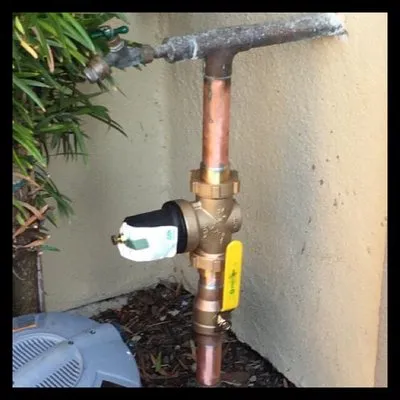
San Jose Drain and Main is a locally owned and certified plumbing service, founded in 2014 by a plumber with over 15 years of hands-on experience dating back to 2007. Our focus is on providing dependa...
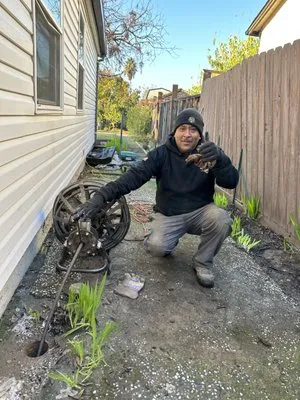
King Kong Plumbing is a family-operated plumbing company serving San Jose since 1998. Founded by a father dedicated to providing reliable service, we've grown into a trusted local resource. Our expert...
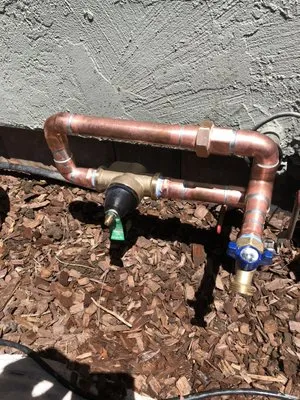
As a licensed, bonded, and insured plumbing professional with over 20 years of experience in Los Gatos, I take pride in diagnosing and solving plumbing problems efficiently. My focus is on delivering ...
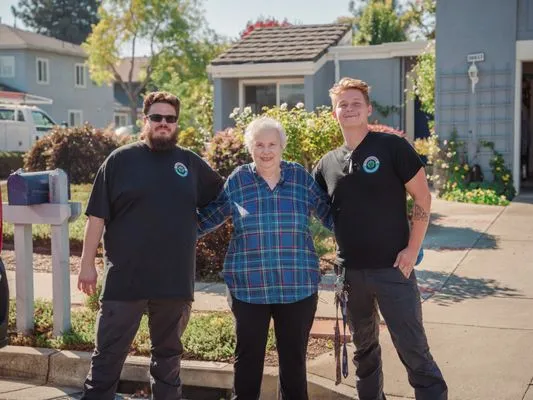
Plumbtree Plumbing and Rooter
Plumbtree Plumbing and Rooter has been a trusted name in the San Jose area for over 20 years. Founded by Glenn Hammonds, the company is built on deep industry knowledge and a passion for helping neigh...
I'm Ed, a #1 Honest Plumber based right here in the Bay Area. My career began on a roof and moved through concrete before I found my true calling in plumbing over 12 years ago. This hands-on journey t...

Crown Plumbing
Crown Plumbing has been serving San Jose homeowners and businesses since 2004, building a reputation on reliable service and transparent pricing. With over 50 years of combined experience, our license...
The journey to founding Drain Rooter Service in San Jose began with a simple goal: to provide the quality and care every homeowner deserves. After years of working for other plumbing companies and see...
I'm Mike Brewer, owner of Pure Plumbing Solutions. Plumbing isn't just my job—it's been my passion since I was young. That lifelong dedication means my team and I bring a depth of experience to every ...

Local Local Plumbing is your San Jose neighbor for dependable plumbing solutions. As a locally owned and operated business, we understand the specific plumbing challenges homes in our area face, from ...
Smash Plumbing is a locally owned and operated plumbing service in Campbell, CA, trusted by residents and businesses for over a decade. We believe being invited into your home is a privilege, which is...
Estimated Plumbing Costs in Lexington Hills, CA
Question Answers
What should I do to prepare my plumbing for winter here?
The winter rainy season brings the biggest risk, with overnight lows around 38°F. A pro-tip for our temperate climate is to disconnect, drain, and store garden hoses before the first forecasted freeze. A forgotten hose bib can allow a freeze to travel back into the interior wall pipe, causing a split that may not leak until you use the faucet again in spring.
Is tree root intrusion a problem for sewer lines in this area?
In suburban settings like ours, mature landscaping is a primary cause of sewer lateral failures. Roots seek out the moisture and nutrients in pipe joints. They can infiltrate and completely block a clay or cast iron line, which many original homes have. A telltale sign is recurring slow drains in lower-level fixtures, particularly after heavy rain when roots are most active.
Why does my water pressure keep dropping in my older home?
Galvanized steel pipe corrodes from the inside out. After nearly 70 years, the interior diameter can be nearly closed by rust and mineral scale, acting like a clogged artery. This drastically reduces flow and pressure. You might also hear a ticking sound in the walls, which is scale breaking loose and rattling in the pipe, a sign of advanced deterioration.
Could the hills around here be causing my drainage problems?
The hilly terrain places constant lateral stress on underground sewer and water lines. Over decades, this stress can fatigue pipes and break seals. Soil movement, especially on slopes near Lexington Reservoir, can also alter the pitch of a drain line, creating low spots where waste collects and causes repeated blockages, a common complaint in these neighborhoods.
How long do galvanized steel pipes last in Lexington Hills homes?
Galvanized steel pipe has a 50-year service life on average. Homes built here in 1958 have pipes now reaching 68 years old. Many owners in Lexington Hills Estates are seeing the final stage of failure: widespread pinhole leaks, joint failures, and severely restricted water flow from internal scale. This is not a repair issue; it's a full repipe scenario for most of these properties.
Do I need a permit to replace my water heater or repipe my house?
Most major plumbing work in Santa Clara County requires a permit from Planning and Development. As a licensed contractor with the CSLB, I handle pulling those permits, scheduling inspections, and ensuring the work meets all current codes. My job is to manage that red tape so the process is seamless for you, and your project is documented correctly for future resale.
How fast can you get a plumber to my house in Lexington Hills?
My typical dispatch route from the Lexington Reservoir area follows CA-17 into the hills. Heading past Lexington Reservoir on CA-17, I can be on-site in 30 to 45 minutes for an urgent call. I keep a truck stocked for the common failures we see with older infrastructure, so I'm often ready to start work immediately upon arrival.
Does our hard water damage plumbing fixtures?
Yes. The mineral-heavy water from the Santa Clara Valley Water District accelerates scale buildup. Inside a water heater, this sediment insulates the heating elements, forcing them to work harder and fail prematurely. On fixtures and appliance valves, the scale acts like an abrasive, wearing out seals and cartridges much faster than with soft water.
