Top Emergency Plumbers in Las Lomas, CA, 95076 | Compare & Call

There are 238 plumbing companies server in Las Lomas CA
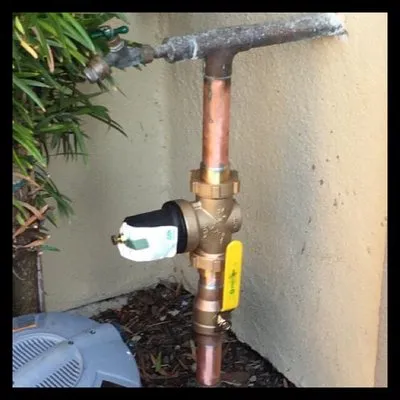
San Jose Drain and Main is a locally owned and certified plumbing service, founded in 2014 by a plumber with over 15 years of hands-on experience dating back to 2007. Our focus is on providing dependa...

Handy Plumbing Man
Handy Plumbing Man is your local, licensed plumbing contractor serving San Carlos and the greater Bay Area. Founded by Marco, a plumber with over 15 years of experience gained working for major compan...
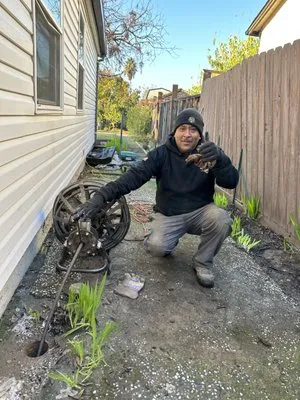
King Kong Plumbing is a family-operated plumbing company serving San Jose since 1998. Founded by a father dedicated to providing reliable service, we've grown into a trusted local resource. Our expert...
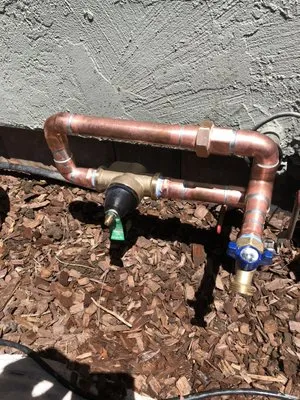
As a licensed, bonded, and insured plumbing professional with over 20 years of experience in Los Gatos, I take pride in diagnosing and solving plumbing problems efficiently. My focus is on delivering ...
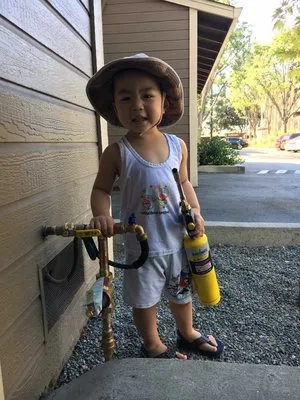
Handy Rooter & Plumbing is a family-owned and operated plumbing service serving San Jose. Founded by a licensed technician who performs the work himself, the business is built on a commitment to treat...

CK Plumbing is your trusted, licensed plumbing service in San Jose, providing comprehensive solutions for homes and businesses. We offer expert sewer and drain cleaning, precise camera inspections to ...

EJ Home Services
EJ Home Services is a family-owned plumbing and electrical company serving Santa Clara and the Bay Area. Founded on over 20 years of hands-on experience, we bring a personal, dedicated approach to eve...
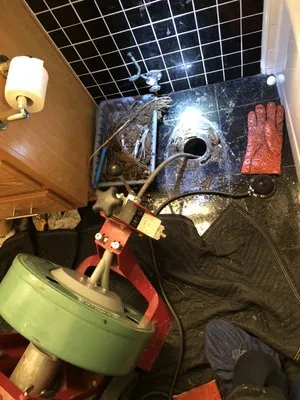
I'm the founder of Capitol Plumbing & Hydro-Jetting Service, bringing over 20 years of hands-on experience from the construction and plumbing fields since 1998. I started this San Jose-based business ...
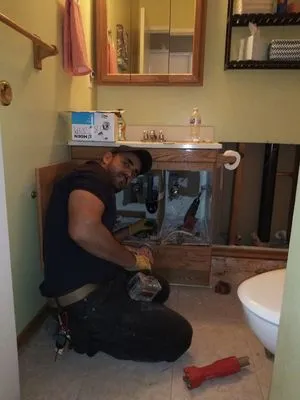
Matt Plumbing & Water Heater Repair is a licensed plumbing service in San Jose, CA, dedicated to providing reliable solutions for residential and commercial plumbing needs. With extensive experience i...
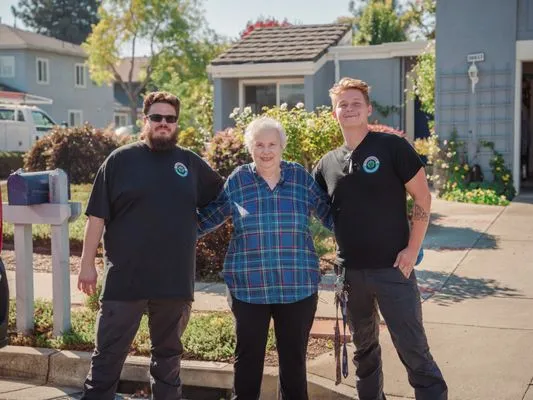
Plumbtree Plumbing and Rooter
Plumbtree Plumbing and Rooter has been a trusted name in the San Jose area for over 20 years. Founded by Glenn Hammonds, the company is built on deep industry knowledge and a passion for helping neigh...
Estimated Plumbing Costs in Las Lomas, CA
Frequently Asked Questions
What is one thing I should do to my plumbing before winter in this area?
Before nighttime temperatures hit 39 degrees, disconnect and drain all garden hoses. Stored water in the hose bib can freeze and crack the interior valve stem, causing a leak inside your wall. This is the most common and preventable freeze-related call I get. For homes on piers or with exposed piping in crawlspaces, insulating those lines is a wise secondary step, though our arid climate makes prolonged deep freezes rare.
What is the most common plumbing problem you find in Las Lomas homes built in the 1970s?
Joint calcification in copper systems is the primary failure point. Over five decades, mineral scale from our hard water completely fuses the pipe to the fitting, making spot repairs nearly impossible. Attempting to sweat a new fitting onto old pipe often causes the thinned copper upstream or downstream to crack. This is why a full-section repair, rather than a patch, is frequently the only permanent solution for leaks in these systems.
My pipes are original to the house from the early 70s. Should I be worried about them failing?
Copper plumbing installed in 1972 is now 54 years old. In Las Lomas Estates, we are seeing these lines reach the end of their service life. The copper becomes thin and brittle, leading to a sharp increase in pinhole leaks, especially at soldered joints. It is no longer a question of if, but when a significant section will need replacement. Proactive repiping is now a standard maintenance item for homes of this vintage.
Are there different plumbing concerns for rural properties versus town?
The primary difference is the water source and waste system. Rural properties here typically rely on private wells and septic systems. Well pump pressure and sediment filters need regular service, and septic tanks require pumping every 3-5 years. In more developed parts of Las Lomas, you are on a municipal system, where high mineral content and variable pressure are the main concerns. Knowing which system you have dictates your maintenance schedule.
Do I need a permit to replace my water heater or re-pipe my house?
Yes. Monterey County Building Services requires permits for water heater replacements and all repiping work. As a CSLB-licensed contractor, I pull those permits, schedule the inspections, and ensure the work meets current code. This handles the red tape for you and provides a legal record of the upgrade for your property. Unpermitted work can cause complications during a home sale and may not be covered by insurance.
Could the hilly land around here be causing problems with my drains?
Yes, the slope of your lot directly impacts drainage. Downhill from Elkhorn Slough, the clay-heavy soil retains moisture, shifting and putting lateral stress on buried sewer mains. This can lead to bellied pipes or separated joints. For homes built on the slope, surface runoff during our intense winter storms can overwhelm perimeter drains and threaten to flood basements or crawlspaces. Proper grading and functional drain cleanouts are critical.
Why do my faucets and showerheads get clogged with white crust so quickly here?
Water drawn from the Pajaro Valley Groundwater Basin is very hard, carrying a high load of dissolved calcium and magnesium. As water heats in your tank or moves through fixtures, these minerals precipitate out as scale. Inside a water heater, this buildup acts as an insulator, forcing the unit to work harder and fail prematurely. For fixtures, it restricts flow and damages seals. A whole-house water softener is not a luxury here; it is essential equipment to protect your plumbing investment.
How fast can a plumber get to my house in Las Lomas if I have an emergency?
Heading past Elkhorn Slough on State Route 1, my dispatch route to most of Las Lomas takes 45 to 60 minutes from the moment you call. Traffic on Highway 1 can be variable, but that window is reliable. For active flooding, I advise homeowners to locate their main water shut-off valve immediately while we are en route. Knowing that exact location can prevent thousands in water damage before we arrive.
