Top Emergency Plumbers in Green Valley, CA, 94534 | Compare & Call

There are 237 plumbing companies server in Green Valley CA

Charlie's Sewer & Drain Rooter
Charlie's Sewer & Drain Rooter is a family-owned plumbing business serving Los Angeles and the San Fernando Valley for over 14 years. Founded by Charlie and his wife Lulu, the company has built its re...
Fix It Quick Plumbing
For over 21 years, Fix It Quick Plumbing has been a trusted local resource for Canoga Park residents and the San Fernando Valley. Founded by a local plumber, the company has grown with a focus on hone...

New Generation Plumbing
New Generation Plumbing is a family-owned and operated plumbing contractor serving Los Angeles and its surrounding communities, including Highland Park, Los Feliz, Echo Park, Pasadena, and the San Gab...

911 Plumbing Services
911 Plumbing Services has been a trusted, family-owned plumbing provider in Los Angeles since 2003. Founded by Greg and George, who together bring over three decades of hands-on experience to the trad...
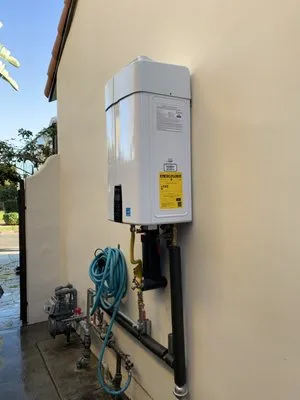
Rishon Plumbing & Water Heaters is a Los Angeles-based, family-owned plumbing company with deep roots in the trade. We continue a legacy of skillful, reliable service, bringing that expertise to every...

Shim's Plumbing is your trusted, local plumbing partner serving Los Angeles. We focus on solving your plumbing problems with reliable service, clear communication, and a commitment to getting the job ...
Right Price Rooter and Plumbing is a family-owned and operated Glendale plumbing company with over 40 years of dedicated service. Founded on the principles of integrity and deep local knowledge—owner ...
Non Stop Plumbing & Rooter
Non Stop Plumbing & Rooter is a family-owned and operated plumbing company serving Highland Park, CA, with over 15 years of experience. We are licensed, bonded, and insured, offering comprehensive res...

Gary's Rooter and Hydro-Jetting Service
Gary's Rooter and Hydro-Jetting Service has been providing reliable plumbing solutions to Glendale residents since 2006. As a licensed and insured professional (Lic# 997229), Gary specializes in hydro...
Matthew's Plumbing is a locally owned and operated Santa Clarita Valley plumbing service, run by Matthew Nemecek. With over 16 years of hands-on experience and deep roots in the community—having grown...
Estimated Plumbing Costs in Green Valley, CA
Questions and Answers
How quickly can a plumber get out here for an emergency?
Heading past Vasquez Rocks Natural Area Park on State Route 14, my dispatch route into Green Valley takes about 45 to 60 minutes from the call. Traffic on the 14 can be variable, but knowing the back routes from years of service here allows for a reliable ETA. We prioritize calls to get a truck rolling immediately.
Could the hilly land around here be causing my drainage problems?
Absolutely. The sloping terrain near Vasquez Rocks means water naturally wants to flow downhill, putting constant hydrostatic pressure on your main sewer line or septic system. This can stress pipe joints and lead to separation or root intrusion at the low points. For drainage, it often means surface water pools against the downhill side of your foundation, requiring specific grading or French drain solutions to manage the flow.
Does having a private well affect my water heater or appliances?
Yes, significantly. Unfiltered well water is typically very hard, meaning it's high in dissolved minerals like calcium and magnesium. These minerals precipitate out as scale, coating the inside of your water heater tank and heating elements. This insulating layer reduces efficiency, increases energy costs, and leads to premature tank failure. Fixture cartridges and valve seats also wear out faster.
What permits or county rules do I need to know about for a repipe?
Any major plumbing alteration requires a permit from the Los Angeles County Department of Public Works, especially with a private well. As a CSLB licensed contractor, I handle pulling those permits, scheduling inspections, and ensuring the work meets all current code for setbacks and materials. My license means I carry the bond and insurance, so you don't have to navigate the red tape yourself.
Why do my galvanized pipes keep springing pinhole leaks?
Galvanized steel pipes from the 1960s fail from the inside out. Internal corrosion, accelerated by our hard well water, eats through the pipe wall unevenly. This creates weak spots that eventually perforate, leading to those frustrating pinhole leaks. The problem often starts at threaded joints where the protective zinc coating was compromised during installation.
What's the one thing I should do every winter to protect my pipes?
Drain and shut off your exterior hose bibs before our nightly lows hit 38°F. Our temperate days can be misleading, but a hard freeze is still possible. Insulate pipes in unheated crawl spaces or against exterior walls. A pro-tip for this climate is to let a thin stream of cold water run from the faucet farthest from your well tank during a freeze warning; moving water is much harder to freeze.
My water pressure seems low and the water is a bit discolored lately. What's happening with the plumbing in Green Valley?
Your pipes are 65 years old. Galvanized steel, installed when Green Valley Estates was built around 1961, has a typical lifespan of 50-60 years. Homeowners here are now seeing the final stage of corrosion: severe internal rust and scale buildup that chokes the pipe diameter. This reduces pressure to a trickle and flakes rust into your water, causing that brownish tint.
Are septic system issues common for homes in this area?
They are a standard part of rural property maintenance here. With no municipal sewer, each home operates its own septic system and leach field. Common issues include leach field failure from soil compaction or root intrusion, and tank baffles clogging over time. It's crucial to pump the tank every 3-5 years and avoid putting grease or non-biodegradables down the drain, as there's no large city system to handle it.
