Top Emergency Plumbers in Ferndale, CA, 95536 | Compare & Call

There are 18 plumbing companies server in Ferndale CA
Fitz It Right Plumbing is a family-owned and operated plumbing service based in Eureka, CA, founded with a passion for plumbing and customer service. We started this business to build a future for our...

Northcoast Plumbing brings over 15 years of licensed expertise to Eureka, CA. Owner and licensed plumber (C-36) began his career in 2004, quickly advancing to commercial projects. After years with lar...
Roto-Rooter in Arcata is a locally owned and operated plumbing business serving Humboldt County with deep community roots. Founded by a husband-and-wife team who grew up in the area—attending Arcata a...
John the Plumber is a locally owned and operated plumbing business serving Eureka and the surrounding area. With over 25 years of experience as a Journeyman Plumber Specialist, John provides a compreh...
GreenWay Drain Cleaning
GreenWay Drain Cleaning is a family-owned plumbing service based in Eureka, CA, founded by Humboldt County natives with over 20 years of industry experience. Specializing in chemical-free drain cleani...
101 Plumbing is a licensed and trusted plumbing contractor serving Eureka, CA, and the surrounding Humboldt County area. We are a local, family-owned business built on a foundation of honesty, clear c...
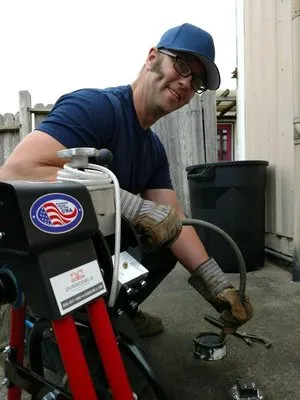
BC Drain Care is a trusted plumbing service provider in Eureka, CA, with deep roots in the Humboldt County community. Founded by Billy Clark, who has over two decades of experience serving the North C...
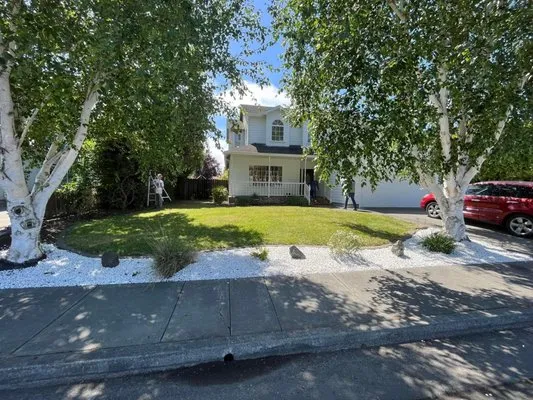
Greener Choices is a Fortuna-based handyman service founded by a Humboldt State University graduate with a background in natural resources planning. With over 12 years of experience serving the Humbol...
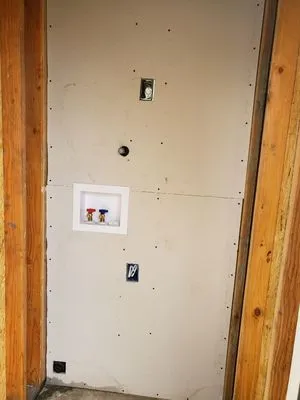
Redwood Plumbing and Drain Cleaning is a licensed plumbing service based in Fortuna, CA, with over 20 years of experience serving Humboldt County. We specialize in a comprehensive range of plumbing se...
Sequoia Plumbing is your trusted, independent plumbing service in Arcata, Humboldt County. As a licensed and insured, family-owned business, we bring a personal touch to every project, from routine re...
Estimated Plumbing Costs in Ferndale, CA
Frequently Asked Questions
How fast can a plumber get to my house in Ferndale if I have a burst pipe?
A standard dispatch from our shop heads past the Ferndale Museum on California State Route 211. From there, we can reach most addresses in the central area within 45 minutes. For homes further out along the Salt River or in the hills, we plan for the full 60 minutes. We keep trucks stocked for emergency calls, so that travel time is spent getting to you with the right parts already on board.
What does a pinhole leak in an old pipe mean, and is it a sign of bigger problems?
A pinhole leak in 70-year-old galvanized steel is a terminal symptom. The pipe wall corrodes from the inside out due to decades of contact with water, creating a weak spot that finally perforates. This isn't an isolated flaw; it indicates the entire piping system has reached a similar state of advanced decay. Repairing one pinhole is temporary, as adjacent sections will likely develop their own leaks in short order.
Do I need a permit to re-pipe my entire house, and how does that work?
A whole-house re-pipe requires a permit from the Humboldt County Building and Planning Department. The process involves an inspection of the new lines before the walls are closed. As a contractor licensed by the CSLB, I pull the permit, schedule the inspections, and ensure the work meets current code for materials and placement. My job is to handle that red tape so the project is documented correctly for your home's records and your safety.
Our home was built in the 1950s and the water pressure seems low. What's happening with the old pipes?
The galvanized steel plumbing in homes from 1956 is now 70 years old. This material has a predictable lifespan of 50-70 years. In the Main Street Historic District, we're seeing widespread internal rust and mineral scale buildup that has narrowed the pipe diameter, which is the direct cause of your low pressure. The pipes haven't failed catastrophically yet, but they are actively restricting flow to every fixture in the house.
As a rural homeowner, what plumbing systems do I need to maintain that city folks don't?
Your primary concerns are a private well and a septic system, not municipal water and sewer. Well pumps and pressure tanks require periodic service, and the well casing itself needs protection from surface contaminants. The septic tank must be pumped every 3-5 years, and the drain field kept clear of roots and heavy vehicles. Neglect here leads to backups or well contamination, which are complex and costly to remedy.
Could the hilly land around town be causing my frequent drain clogs?
The coastal slope and soil composition around Ferndale can stress drainage systems. A lateral line running from your home down a slope may develop low spots where waste and grease accumulate. Conversely, soil shifting on a slope can put stress on the main sewer line, potentially causing a joint to separate or the pipe to crack. We often use a camera to inspect the line's pitch and integrity when clogs are recurrent in older hillside properties.
Does our local water from the Salt River area cause problems for water heaters or fixtures?
Water sourced from the Salt River watershed tends to be soft and slightly acidic. This corrosive quality is gentle on skin but aggressive on metal. Over years, it accelerates the corrosion of anode rods in water heaters and can eat away at the interior of fixtures, leading to premature failure. We often install inline neutralizers or recommend a sacrificial anode rod with a more active metal, like magnesium, to protect the tank.
What's the most important thing to do with my plumbing before a Ferndale winter storm?
Insulate any exposed pipes in unheated crawlspaces or against exterior walls. Our temperate climate means pipes inside insulated walls are generally safe, but those in marginal spaces are vulnerable when overnight lows hit 38°F. A pro-tip is to disconnect and drain garden hoses from the exterior spigot before the storm season peaks. A forgotten hose can trap water that freezes and splits the pipe inside your wall.
