Top Emergency Plumbers in Cutten, CA, 95503 | Compare & Call

There are 38 plumbing companies server in Cutten CA
Fitz It Right Plumbing is a family-owned and operated plumbing service based in Eureka, CA, founded with a passion for plumbing and customer service. We started this business to build a future for our...
Ken Fleck Plumbing is a trusted, full-service plumbing company serving Eureka, CA, and the surrounding Humboldt County area. With expertise in everything from routine repairs to complex installations,...
Northcoast Plumbing brings over 15 years of licensed expertise to Eureka, CA. Owner and licensed plumber (C-36) began his career in 2004, quickly advancing to commercial projects. After years with lar...
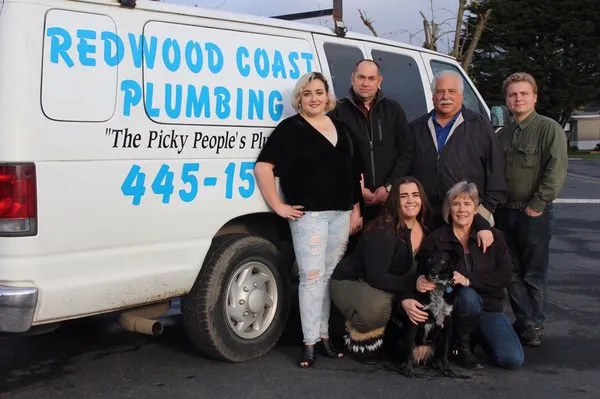
Redwood Coast Plumbing is a family-owned and operated business serving Arcata and Humboldt County for over 20 years. Founded by Larry, who brings over 30 years of plumbing expertise, the company is bu...
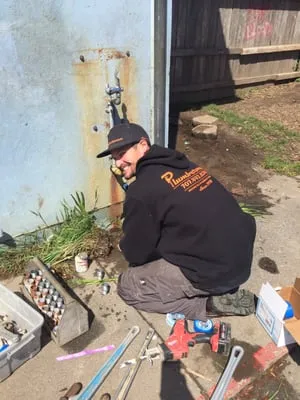
Plumberman provides reliable, expert plumbing services for Eureka, CA homeowners. We specialize in addressing the unique challenges common in our local area, such as tree root intrusion into sewer lin...
Mapleservice
Mapleservice is a family-owned plumbing and heating company proudly serving Eureka and Humboldt County since 1960. Founded by Wayne Maples and now led by second-generation owner Dale Maples, a LEED AP...
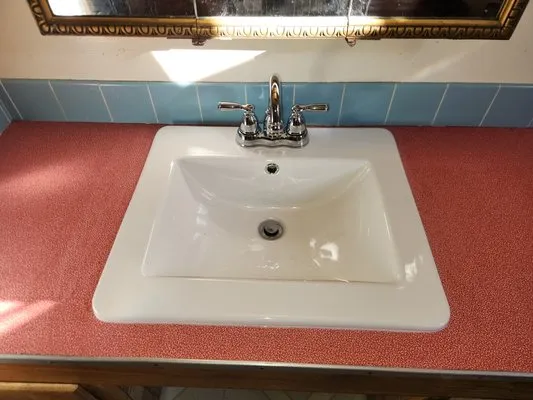
Straight Flush Plumbing
Straight Flush Plumbing is your trusted, locally-owned plumbing contractor in Eureka, CA. Owner-operated and licensed since 2010, we bring over 14 years of dedicated service to Humboldt County homes a...
Roto-Rooter in Arcata is a locally owned and operated plumbing business serving Humboldt County with deep community roots. Founded by a husband-and-wife team who grew up in the area—attending Arcata a...
John the Plumber is a locally owned and operated plumbing business serving Eureka and the surrounding area. With over 25 years of experience as a Journeyman Plumber Specialist, John provides a compreh...
Mr. Rooter Plumbing of Humboldt & Del Norte
Mr. Rooter Plumbing of Humboldt & Del Norte is a locally-owned and operated plumbing service based in Eureka, CA, serving both Humboldt and Del Norte counties. With a commitment to quality work and ho...
Estimated Plumbing Costs in Cutten, CA
Question Answers
If I have a plumbing emergency in Cutten, how quickly can someone get here?
From our central dispatch, heading past Sequoia Park Zoo onto US-101 is the main route into Cutten. That drive typically takes 20 to 30 minutes. We factor in local traffic and your specific address off the highway. Knowing this route allows us to give you a reliable arrival window when you call.
What's the most important winter plumbing tip for Cutten's climate?
Our winter lows hit 38°F, and the storm season brings wet cold that can freeze pipes in unheated crawl spaces. A key pro-tip is to disconnect and drain garden hoses before the first freeze, and ensure crawl space vents are closed. Insulating pipes in these exposed areas is more effective here than in drier climates, because our temperate winters are deceptively damp.
My Cutten home was built in the 1960s. Should I be worried about the plumbing?
Houses built around 1968 have galvanized steel pipes that are now 58 years old. Their lifespan is generally 50-60 years, so you're in the failure window. In the Cutten Residential District, we're seeing widespread issues with pipe interiors corroding shut, which leads to very low water pressure at multiple fixtures. The steel rusts from the inside out, and once flow is restricted, total blockages or sudden leaks are next.
As a suburban homeowner in Cutten, what's my biggest plumbing risk?
Your primary risk is the age of the underground infrastructure connecting to the municipal system. The service lateral from your house to the street main is likely original galvanized steel or old clay. Tree roots seek out the joints in these old lines, causing blockages and damage. Municipal water pressure is generally good, but pressure fluctuations can stress your older interior pipes.
Could my home's hillside location be causing plumbing problems?
Hilly terrain, like the slopes around Sequoia Park Zoo, puts constant stress on the main sewer line. The slope can cause soil to shift, leading to misaligned pipe joints or breaks. It also affects drainage around your foundation. We often find that lateral lines on slopes have bellies or sags where waste collects, eventually causing recurring clogs.
Does our local water from the Mad River damage water heaters?
Water sourced from the Mad River tends to be acidic and corrosive. This accelerates the deterioration of anode rods in water heaters and can cause premature tank failure. It also wears out faucet cartridges and valve seats faster than neutral water would. Installing a whole-house neutralizer or at least using a powered anode rod can significantly extend the life of your plumbing appliances.
Do I need a permit to replace my water heater or repipe my house?
Yes, most major plumbing work in Humboldt County requires a permit from the Building and Planning Department. As a CSLB-licensed contractor, I pull those permits, schedule inspections, and ensure the work meets current code. I handle that red tape so you don't have to navigate the process yourself, and it provides you with a permanent record of the upgrade for your home.
Why do my old pipes keep springing pinhole leaks?
Galvanized steel pipes installed in 1968 fail due to internal corrosion and mineral buildup, called scale. The scale creates uneven pressure, and the underlying steel rusts. This combination leads to pinhole leaks, often first appearing at threaded joints or along horizontal runs. Once one pinhole appears, others usually follow in short order because the entire pipe wall is compromised.
