Top Emergency Plumbers in Clearlake, CA, 95422 | Compare & Call

There are 50 plumbing companies server in Clearlake CA
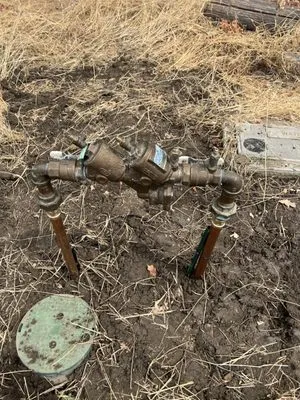
Clear Line Plumbing provides reliable plumbing services for Arbuckle and surrounding Colusa County communities. As a state-certified service, we focus on practical solutions for homes, from routine re...

North Pacific Plumbing is a trusted Davis plumbing company with over 15 years of experience serving Yolo County. Founded by local resident Brent Dotson, this licensed (License No. 877326) business has...

Boden Plumbing Heating & Air
Boden Plumbing Heating & Air is a family-owned and operated business serving Sonoma County since 1992. Founded by Terry Boden, who honed his craft in the San Francisco Bay Area, the company brings dec...
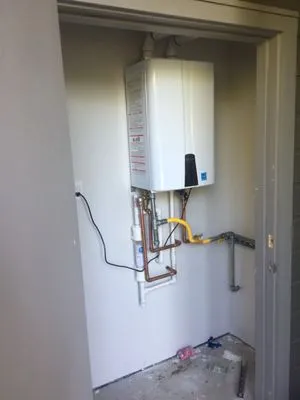
Brush Creek Plumbing is your trusted, local plumbing expert serving Santa Rosa and the surrounding areas. We provide a comprehensive range of services, from routine faucet repairs and drain cleaning t...

Michael, owner of Hometown Plumbing & Leak Detection, is a licensed plumber and dedicated leak detection specialist serving Santa Rosa. With a focus on providing reliable, quality plumbing service rig...

Rayne of the Wine Country has been a trusted, locally owned water treatment specialist in Santa Rosa since 2006. We are dedicated to providing Sonoma County homeowners and businesses with effective so...
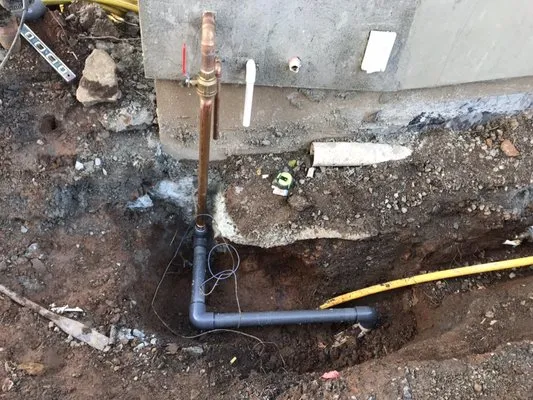
Alvis Plumbing is a family-owned, licensed, and insured plumbing service proudly serving Rohnert Park and Sonoma County. Specializing in both residential and commercial projects—including new construc...

Wiser Plumbing is a veteran-owned, family-operated plumbing service based in Kelseyville, CA, with deep roots in Lake and Mendocino counties. Founded by Brad in 1994, the company has been plumbing hom...
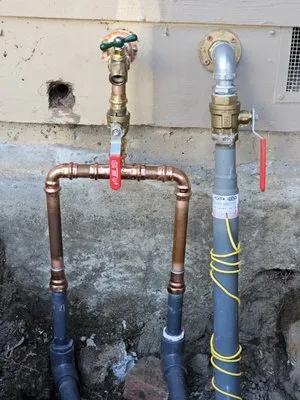
Bowen Plumbing is a trusted, family-owned and operated plumbing service dedicated to serving Windsor, CA, and the surrounding communities. Available 24/7 for emergencies, we provide reliable solutions...

Cal-Tech Pumps is a veteran-owned water well service provider established in 2007, serving MiddleTown, CA and surrounding Lake, Napa, and Mendocino counties. With over 25 years of industry experience,...
Estimated Plumbing Costs in Clearlake, CA
Questions and Answers
Does Clear Lake's hard water damage my home's plumbing?
Clear Lake's hard water causes scale buildup that affects plumbing in specific ways. Water heaters accumulate mineral deposits on heating elements, reducing efficiency and shortening tank lifespan. Fixtures like shower heads and faucet aerators clog with calcium deposits, decreasing water pressure. The scale also insulates pipe interiors, making water heaters work harder and increasing energy costs. Installing a whole-house water softener can significantly reduce these issues, though you'll need to maintain it with regular salt refills.
How quickly can a plumber reach my home near Clear Lake?
From our shop near Clear Lake, we take State Route 53 northbound toward Clearlake Park, passing the lake's eastern shore. That route typically puts us at your door within 45 minutes during normal traffic. We keep trucks stocked with common copper fittings and repipe materials for these older homes, so we're often rolling within minutes of your call. For emergencies like burst pipes, we prioritize routes that avoid school zones during peak hours.
What permits do I need for plumbing work in Clearlake, and who handles them?
The City of Clearlake Building Department requires permits for most plumbing modifications, including repipes, water heater replacements, and sewer line repairs. As a contractor with an active CSLB license, I handle all permit applications and inspections for your project. This includes submitting plans, scheduling inspections, and ensuring work meets current code requirements. You won't need to visit city offices or navigate bureaucratic paperwork - I manage the red tape so your project stays compliant and moves forward smoothly.
What should I do to prepare my plumbing for Clearlake's winter storms?
When temperatures drop to 36°F during winter storms, exposed pipes in crawl spaces or against exterior walls can freeze. Insulate pipes in unheated areas with foam sleeves before the first frost. Keep cabinet doors open under sinks to allow warm air circulation. Know where your main water shutoff valve is located - if pipes do freeze and burst, you'll need to cut the water quickly. For homes with seasonal use, completely drain the system or maintain a low heat source during cold snaps. These simple steps prevent most winter plumbing emergencies in our temperate climate.
How does Clearlake's hilly terrain affect my home's drainage system?
The sloping land around Clear Lake creates drainage challenges for plumbing systems. Downhill water pressure can stress main sewer lines, leading to joint separation or pipe movement over time. French drains and sump pumps work harder on hillsides, requiring more frequent maintenance. Soil erosion during rainy seasons exposes buried pipes to temperature fluctuations and potential damage. For homes built on slopes, we often recommend installing backflow preventers and checking cleanouts annually to ensure proper drainage away from the foundation.
My house was built around 1976 in Clearlake Park - should I be worried about my plumbing?
Copper pipes installed in 1976 are now 50 years old. At this age, homeowners in Clearlake Park often notice pinhole leaks appearing in straight pipe sections, especially near joints where the copper has thinned from decades of water flow. The original solder joints from that era are reaching their expected lifespan, leading to small drips behind walls or under slabs. Many neighbors report needing partial repipes on their hot water lines first, as the thermal cycling accelerates wear.
Are there special plumbing considerations for rural properties around Clearlake?
Rural properties here often have well and septic systems that require specific maintenance. Well pumps need regular pressure tank checks and occasional screen cleaning from sediment. Septic systems should be pumped every 3-5 years depending on household size, and drain fields need protection from vehicle traffic. Water quality testing is crucial for wells, as mineral content varies across the area. Unlike municipal systems, you're responsible for the entire water infrastructure from well to septic field, so preventive maintenance saves significant repair costs.
Why do my copper pipes keep springing leaks in my 1970s Clearlake home?
Copper pipes from the 1970s often develop pinhole leaks due to a combination of age and local water chemistry. The interior walls thin over decades, creating weak spots that eventually perforate. You'll typically find these leaks in horizontal runs or near elbows where water turbulence accelerates erosion. Another common issue is joint calcification - mineral deposits build up at solder connections, creating stress points that crack over time. Many homes in this area need dielectric unions installed where copper meets newer fixtures to prevent galvanic corrosion.
