Top Emergency Plumbers in Brea, CA, 92821 | Compare & Call

There are 240 plumbing companies server in Brea CA
Drain & Plumbing Pros Inc. is a trusted, family-owned plumbing service proudly serving Torrance and the South Bay area. Founded and operated by husband-and-wife team Armando and Michelle, we bring ove...

Jerez Plumbing
Jerez Plumbing is a family-owned and operated plumbing company proudly serving La Puente and the greater Los Angeles area for over 20 years. As the owner and manager, I'm committed to providing profes...
SJ Plumbing
SJ Plumbing is a family-owned Los Alamitos plumbing company serving the community since 1998. Founded by John, a second-generation plumber born and raised in Orange County, the business is built on a ...
All City Plumbing, Air & Electrical
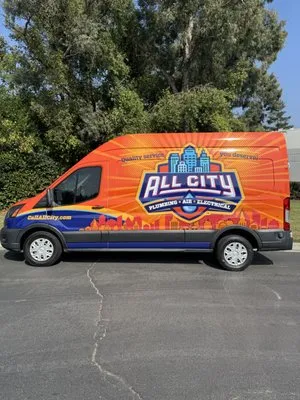
All City Plumbing, Air & Electrical was founded in 2009 on a simple principle: to deliver exceptional service with the highest quality of craftsmanship. With over 19 years of experience, our career in...
Clean-Out King's
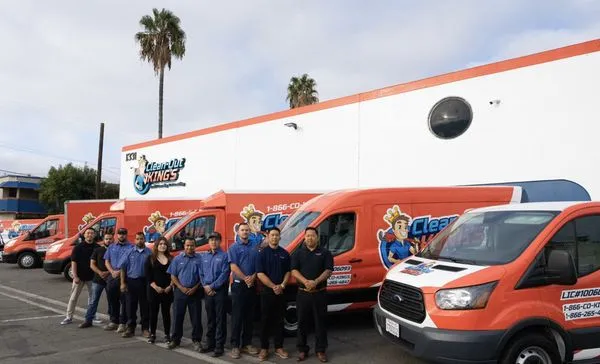
Clean-Out King's is a family-run plumbing service that has been serving Anaheim and all of Orange County since 2007. Founded as an owner-operated business, our core belief is in treating every custome...
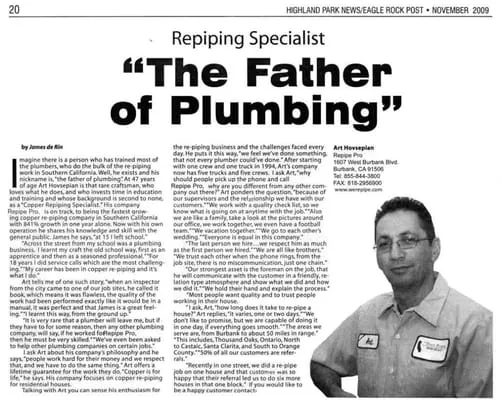
Founded in 1994 by Art Hovsepian, a master plumber recognized for his expertise and dedication to the trade, Repipe Pro brings over four decades of industry knowledge to Mission Viejo. Art has persona...

Clean Out Plumbing & Rooter
Clean Out Plumbing & Rooter in La Habra, CA, is a locally owned and operated plumbing service founded by an owner whose lifelong passion for understanding how things work and fixing problems naturally...

Rapid Quality Leak Detection
Rapid Quality Leak Detection is a veteran-owned and operated company serving Hermosa Beach, specializing in pinpointing underground water leaks without invasive digging. We focus on finding leaks in i...
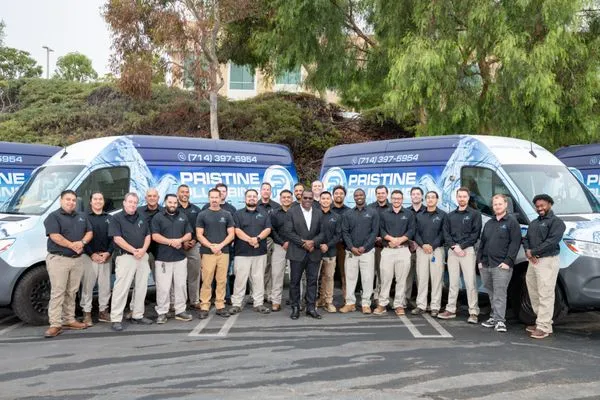
Pristine Plumbing
Pristine Plumbing has been serving Irvine and Orange County since 2008, providing reliable plumbing services for both residential and commercial clients. Founded by Richard Cadogan, who brings decades...
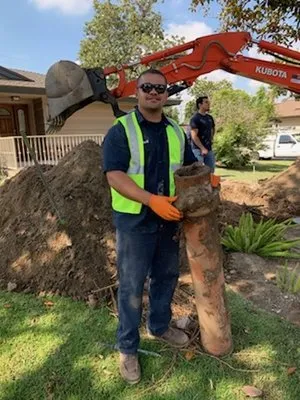
The Rooter Company has been a trusted plumbing partner for Fullerton residents and businesses for over 35 years. We understand the stress plumbing issues can cause, which is why our process is built o...
Estimated Plumbing Costs in Brea, CA
Question Answers
What permits do I need for a water heater replacement in Brea?
The Brea Building and Safety Division requires a permit for any water heater replacement, which includes a mandatory inspection. As a CSLB-licensed contractor, I pull that permit, schedule the inspection, and ensure the installation meets all current code for earthquake strapping and expansion tank requirements. My role is to handle that red tape so you don't have to, guaranteeing the work is legal and documented for your home's records.
Does Brea's hard water damage my plumbing fixtures?
Water supplied via the State Water Project and Metropolitan Water District is notoriously hard, meaning it carries a high mineral load. This leads to significant scale buildup inside appliances and on fixture aerators. In water heaters, scale acts as an insulator, forcing the unit to work harder and shortening its lifespan. Installing a whole-house water softener is the most effective long-term solution to protect your plumbing investment from this accelerated wear.
My Brea home was built in the 70s. What kind of plumbing problems should I expect now?
Homes in Downtown Brea and surrounding areas with original copper plumbing are now pushing 50 years old. At this age, the internal walls of copper pipes have been thinning from decades of water flow and mineral abrasion. Homeowners are starting to see an uptick in pinhole leaks, often behind walls or under slabs, where a small, persistent drip causes damage long before it's noticed. This is a predictable lifespan issue for copper in our area, not a fault of the original installation.
Could the hills in Brea be causing my drainage problems?
The hilly terrain, like the slopes around the Brea Olinda Oil Museum and Trail, directly impacts drainage. For homes built on a slope, the main sewer line running to the street can develop a low spot or 'belly' where waste and solids settle, leading to recurrent clogs. This uneven stress on the pipe can also cause joints to separate over time. A sewer camera inspection is the best way to diagnose this specific terrain-related issue.
What's one plumbing tip specific to Brea's winter weather?
While our temperate climate means deep freezes are rare, overnight lows can still dip near 46°F during the holiday season. A pro-tip is to disconnect and drain your garden hoses before these colder nights. A hose bib with a hose attached can trap water, which then freezes and expands back into the pipe inside your wall, causing a split. This simple, seasonal habit prevents one of the most common cold-weather calls we get.
As a suburban Brea homeowner, what's my main sewer concern?
In our suburban setting, the primary concern is the sewer lateral—the pipe running from your house to the city main under the street. Tree roots from mature landscaping are drawn to the moisture and nutrients in these lines, often infiltrating at pipe joints. Municipal water pressure is generally consistent, but a sudden drop could indicate a breach in the service line on your property. Regular lateral cleaning can prevent most root-related blockages.
How fast can a plumber get to my house in Brea for an emergency?
Heading past Brea Olinda Oil Museum and Trail onto State Route 57 gives me direct access to most neighborhoods. From there, a typical dispatch route to central Brea takes about 20 to 30 minutes outside of peak traffic hours. I plan routes to avoid the 57/60 interchange bottleneck during rush hour. Knowing these local corridors means I can give you a reliable window when you call.
Why are my copper pipes suddenly springing leaks?
Copper pipes installed around 1977 are failing due to a combination of age and local water chemistry. The most common technical failure is pinhole leaks caused by internal pitting corrosion, a process accelerated by our water's mineral content. You may also find solder joints at fittings have become brittle and calcified, losing their seal. These are systemic issues for copper at this service life, often requiring section replacements or a full repipe.
