Top Emergency Plumbers in Paradise Valley, AZ, 85250 | Compare & Call

There are 239 plumbing companies server in Paradise Valley AZ
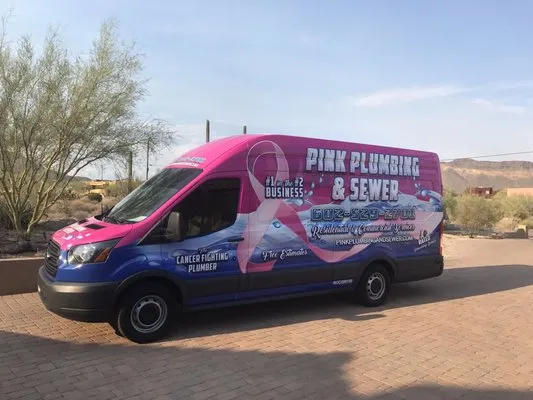
Founded in 2006 by a plumber with nearly a decade of experience working for others, Pink Plumbing & Sewer was built on a simple promise: to offer better value and more affordable, high-quality workman...

Rooter & Plumbing Service
Since 1993, Rooter & Plumbing Service has been the trusted, local plumbing solution for Phoenix homeowners. Owned and operated by Stephen, our small, personal business model is built on hard work, ded...
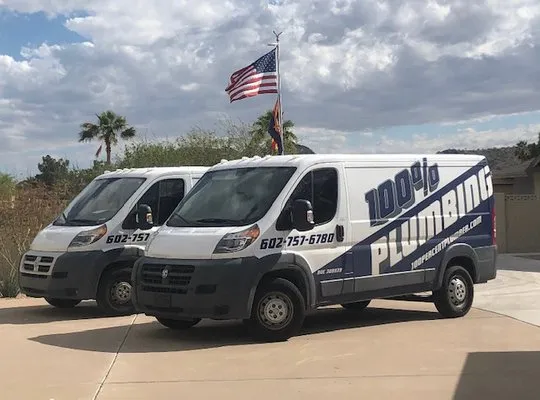
100% Plumbing is your Glendale-based, family-owned plumbing service, founded by local expert Mont Stephenson. With 24 years of experience serving the Phoenix valley—including a decade in management ro...
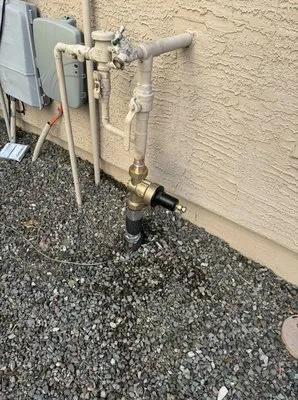
Somers Plumbers is a locally-owned plumbing service in Phoenix, AZ, founded by Dave, who brings decades of experience from starting in the trade at age 16 in Wales. The company focuses on honest commu...
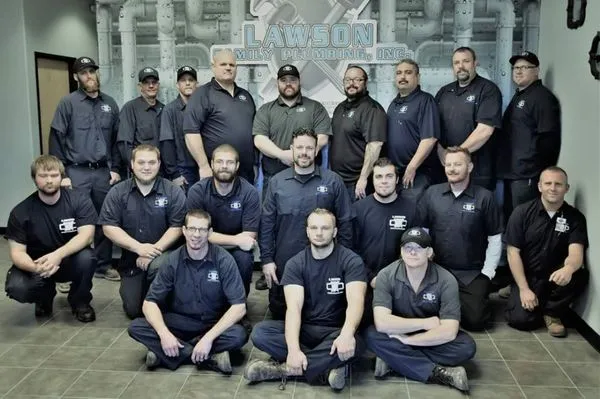
Lawson Family Plumbing
For over two decades, Jeffrey Lawson has been a trusted plumber serving the Phoenix community where he was raised. He founded Lawson Family Plumbing on the principles of character, integrity, and exce...
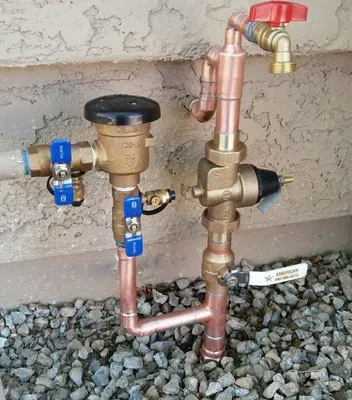
American Plumbing and Rooter
American Plumbing and Rooter is a locally owned and operated plumbing company proudly serving Chandler and the surrounding Southeast Valley. Founded by a master plumber with over 21 years of experienc...
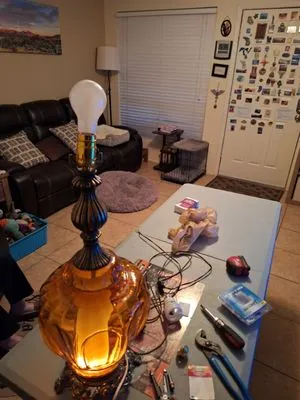
Dan the Handyman
For over 20 years, Dan has been serving Phoenix homes as a licensed handyman, driven by a simple mission: to provide exceptional home repair services at affordable prices. He started his business to e...
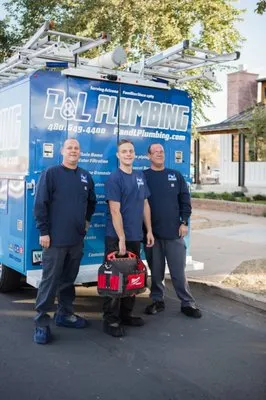
P&L Plumbing is a licensed and bonded full-service plumbing company serving Mesa and the wider East Valley. We specialize in comprehensive residential plumbing solutions, from routine repairs and inst...
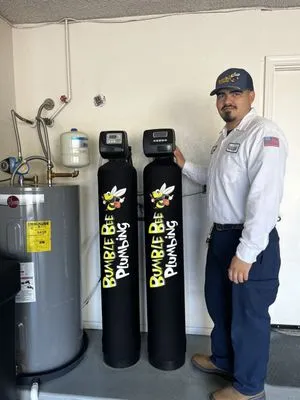
Bumble Bee Home Services
Bumble Bee Home Services is a trusted, family-owned plumbing company based in Glendale, AZ, founded in 2011. Owner Mike Krpata brings over 26 years of professional experience to every job, combining s...
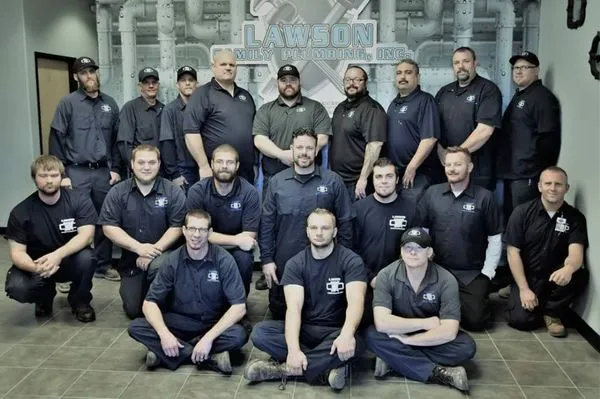
Lawson Family Plumbing
Lawson Family Plumbing is a family-owned and operated business serving Mesa and the East Valley. Founded by Jeff Lawson, a lifelong plumber raised in Phoenix, our company was built on the principles o...
Estimated Plumbing Costs in Paradise Valley, AZ
Common Questions
If I have a burst pipe, how fast can a plumber really get to my house in Paradise Valley?
Heading past Camelback Mountain on AZ-51 is the direct route into your area. From that starting point, we can typically be at your door in 30 to 45 minutes for a true emergency. We monitor traffic and know the side routes off Tatum and Lincoln to avoid slowdowns, treating a water emergency with the urgency it requires.
Our Paradise Valley home was built in the mid-80s. Should I be worried about the plumbing?
Places built around 1985, like many in Camelsback Village, are now at a 40-year mark. This is a critical age for copper pipe. You're likely starting to see blue-green stains under sink valves or hearing a persistent pinhole drip inside a wall. The internal water chemistry has been slowly degrading the pipe walls for decades, and failure rates begin to climb sharply now.
Why does my water heater seem to fail so often here?
Our water comes from the Central Arizona Project and is notoriously hard. Minerals like calcium and lime precipitate out as scale. Inside your water heater, this scale acts like insulation on the heating elements or gas burner, forcing it to work harder and overheat. It also settles in the tank's bottom, corroding the steel and leading to premature failure.
Could the hilly lot near Camelback Mountain be causing my drainage problems?
Absolutely. The slope of your property dictates how your main sewer lateral performs. A steep grade can cause waste to outpace water, leading to solids buildup and eventual blockages. Conversely, a belly or dip in the line caused by soil shifting over decades will create a permanent catch point for debris. Proper camera inspection accounts for this terrain.
What's one thing I should do each year to protect my plumbing in this desert climate?
Before summer peaks, manually test your pressure relief valve on the water heater. The extreme temperature swing from a 40-degree winter morning to a 115-degree summer day stresses all components. A stuck valve can cause a dangerous pressure buildup. This simple 10-second test can prevent a major flood and is often overlooked.
We're on town water and sewer. What should I watch for with the main lines?
Municipal pressure is generally stable, but the critical point is where your private copper service line connects to the town's main at the street. That connection is a common failure point after 40 years. On the sewer side, while roots are less common than in older areas, a compromised joint in the lateral line can still allow fine desert debris to infiltrate and cause backups.
Do I need a permit to replace my water heater in Paradise Valley?
Yes, the Town of Paradise Valley Building Safety Division requires permits for water heater replacements. As a contractor licensed by the Arizona Registrar of Contractors, I pull that permit, schedule the inspection, and ensure the installation meets current code for seismic strapping and pan requirements. My team handles the red tape so you don't have to.
What's the most common plumbing repair for a 1980s Paradise Valley house?
Pinhole leaks in copper supply lines are the signature failure. By now, the protective inner scale has either worn thin or built up unevenly, allowing our hard water to corrode microscopic weak spots. You'll often find the first leaks at soldered joints or on horizontal hot water runs where sediment and heat accelerate the corrosion process.
