Top Emergency Plumbers in Mesa del Caballo, AZ, 85541 | Compare & Call

There are 238 plumbing companies server in Mesa Del Caballo AZ
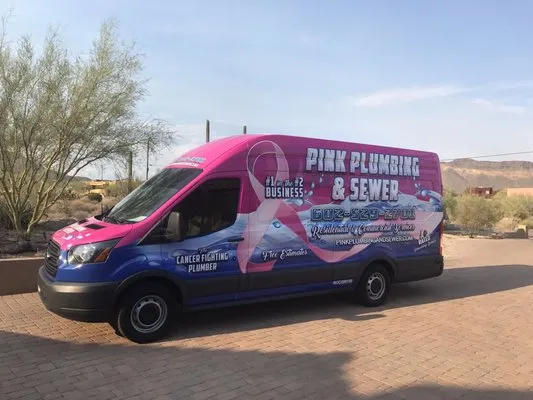
Founded in 2006 by a plumber with nearly a decade of experience working for others, Pink Plumbing & Sewer was built on a simple promise: to offer better value and more affordable, high-quality workman...

Rooter & Plumbing Service
Since 1993, Rooter & Plumbing Service has been the trusted, local plumbing solution for Phoenix homeowners. Owned and operated by Stephen, our small, personal business model is built on hard work, ded...
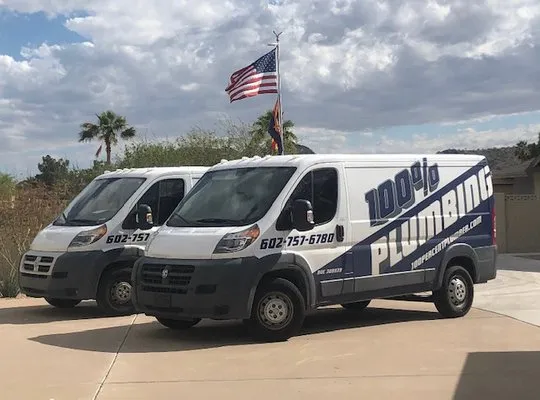
100% Plumbing is your Glendale-based, family-owned plumbing service, founded by local expert Mont Stephenson. With 24 years of experience serving the Phoenix valley—including a decade in management ro...
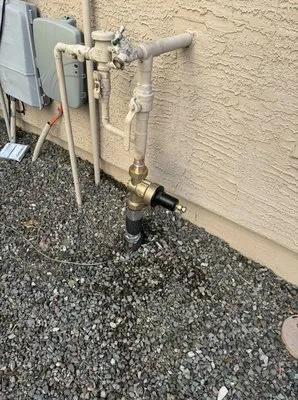
Somers Plumbers is a locally-owned plumbing service in Phoenix, AZ, founded by Dave, who brings decades of experience from starting in the trade at age 16 in Wales. The company focuses on honest commu...
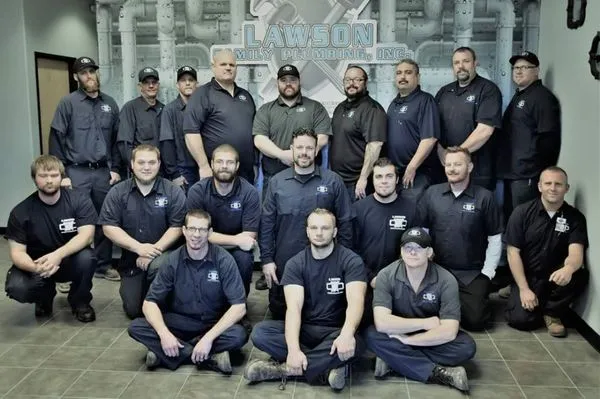
Lawson Family Plumbing
For over two decades, Jeffrey Lawson has been a trusted plumber serving the Phoenix community where he was raised. He founded Lawson Family Plumbing on the principles of character, integrity, and exce...
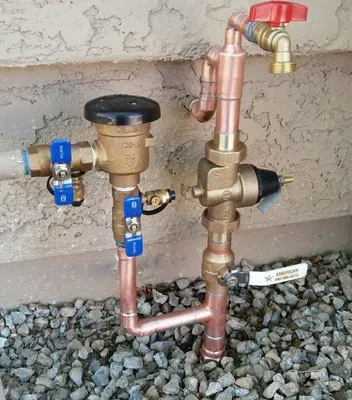
American Plumbing and Rooter
American Plumbing and Rooter is a locally owned and operated plumbing company proudly serving Chandler and the surrounding Southeast Valley. Founded by a master plumber with over 21 years of experienc...
Dan the Handyman
For over 20 years, Dan has been serving Phoenix homes as a licensed handyman, driven by a simple mission: to provide exceptional home repair services at affordable prices. He started his business to e...
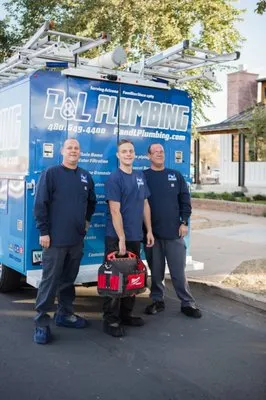
P&L Plumbing is a licensed and bonded full-service plumbing company serving Mesa and the wider East Valley. We specialize in comprehensive residential plumbing solutions, from routine repairs and inst...
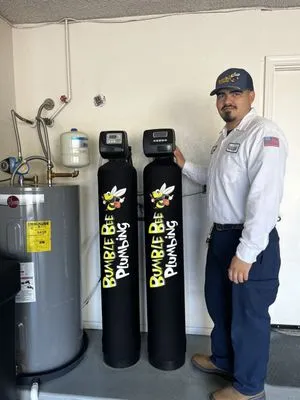
Bumble Bee Home Services
Bumble Bee Home Services is a trusted, family-owned plumbing company based in Glendale, AZ, founded in 2011. Owner Mike Krpata brings over 26 years of professional experience to every job, combining s...
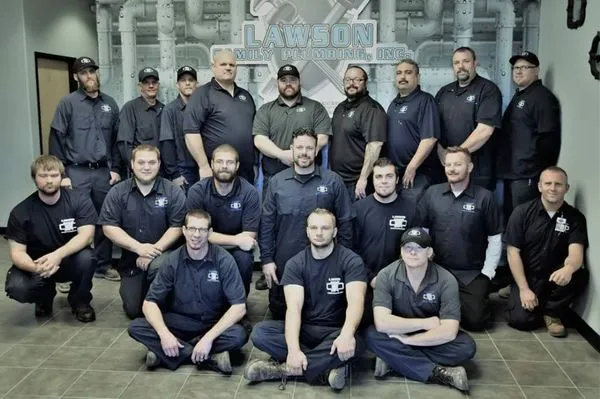
Lawson Family Plumbing
Lawson Family Plumbing is a family-owned and operated business serving Mesa and the East Valley. Founded by Jeff Lawson, a lifelong plumber raised in Phoenix, our company was built on the principles o...
Estimated Plumbing Costs in Mesa del Caballo, AZ
Frequently Asked Questions
Why do my copper pipes keep springing pinhole leaks?
Copper pipe from the late 1980s is prone to a specific type of corrosion called Type 1 pitting. This isn't just general wear. It's an electrochemical reaction between the copper, the minerals in our well water, and even the soil chemistry here. The leaks usually start as a small, greenish-blue stain on the pipe before erupting. Repairs often require cutting out the pitted section and installing a new coupling, as soldering directly onto the compromised copper can be unreliable.
Are my pipes too old for a water softener?
Pipes in Mesa del Caballo are about 38 years old now, which is a critical age for copper installed around 1988. Homeowners are seeing pinhole leaks in straight pipe sections, often where the original protective coating has worn thin from decades of hard water. This internal corrosion can accelerate if you add a softener without first checking the pipe's condition. We typically inspect the main line and a few key fixtures to assess the scale buildup and wall thickness before recommending any treatment system.
Do I need a permit to replace my water heater?
In Gila County, most plumbing work requires a permit from Community Development, and the installation must be inspected. As a contractor licensed with the Arizona Registrar of Contractors, I pull those permits and schedule the inspections as part of the job. This handles the red tape for you and ensures the work meets current code, which is crucial for insurance and if you ever sell your home. Unpermitted work can complicate both.
How long does it take for a plumber to get to my house out here?
Our dispatch from the Tonto National Forest area takes about 45 to 60 minutes for most calls in Mesa del Caballo Estates. The route involves heading east on State Route 87, then navigating the local roads off Houston Mesa Road. We factor in this travel time when you call, so you get a realistic window. For urgent leaks, we can often have a technician en route within 20 minutes of your call.
How do I winterize my pipes for a cold snap in Arizona?
While our winters are mild, overnight lows near 35 degrees can freeze exposed pipes on the north side of a home or in uninsulated crawl spaces. The pro-tip for our arid climate is to focus on air drafts, not just insulation. Seal gaps where plumbing enters the home from under the house, as that dry, cold wind is what causes most freezes. For prolonged cold, letting a faucet drip is less effective than ensuring the space heater in your pump house is functional.
What's different about plumbing when you're on a well and septic system?
The entire water cycle is contained on your property. A drop in well pressure can indicate a leak in the buried line between the well head and house, which also risks contaminating your septic field. We always check the pressure tank and pump cycling first. For septic, the key is managing water flow to prevent overloading the drain field; simultaneous use of multiple appliances can cause backups. It's a closed loop system where one problem can quickly create another.
Can hard water from my well ruin my water heater?
Yes, hard water is the main cause of premature water heater failure here. Minerals like calcium carbonate precipitate out as scale, forming a thick layer of insulation on the heater's elements or gas burner. This forces the unit to work harder, overheat, and eventually fail. For tank-style heaters, we recommend an annual flush to remove sediment and inspecting the anode rod every three years. Tankless models require even more frequent descaling due to their narrow heat exchangers.
Does the hilly land here cause plumbing problems?
The slope affects your system in two main ways. First, drainage from properties above can saturate the soil around your main line, increasing external corrosion on older copper. Second, the constant gravitational stress on the main line where it enters your home can lead to a failure at the connection point, especially after 38 years. We often install a secondary support bracket or a flexible coupling at this entry to absorb the seasonal shift in the soil.
