Top Emergency Plumbers in Lukachukai, AZ, 86507 | Compare & Call

There are 127 plumbing companies server in Lukachukai AZ

Russell & sons
Founded in 2022 with a decade of industry experience, Russell & Sons is a locally-owned and operated HVAC and plumbing company serving Show Low and all of Northern Arizona. We built our business on a ...
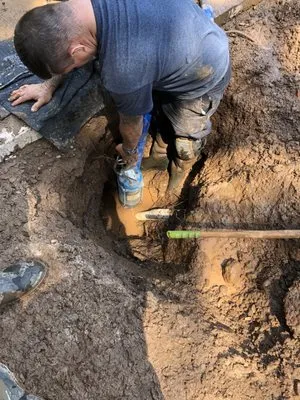
Bianco Plumbing is a trusted, family-owned plumbing service serving Lakeside, AZ, and surrounding areas. With over 20 years of experience, their licensed and insured team provides comprehensive soluti...
Roto-Rooter in Show Low is your dependable, local plumbing partner, ready to help 24 hours a day. We're part of North America's largest plumbing service network, bringing that trusted expertise direct...
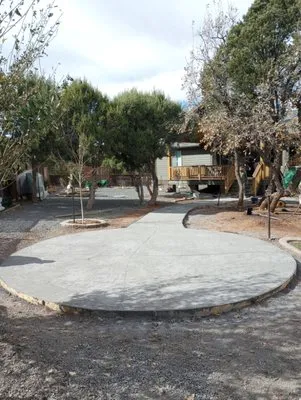
At Back Beat Contracting in Show Low, AZ, our passion for construction is matched only by our commitment to your complete satisfaction. We believe a job well done means you can rest easy, confident th...
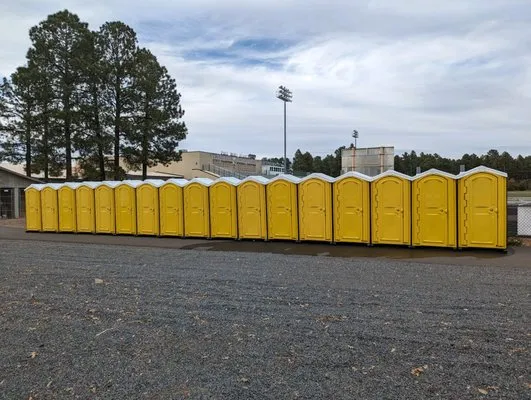
Banana Jons Portable Toilets
Banana Jons Portable Toilets has been a trusted provider in Clay Springs, AZ, and the wider White Mountains region since 2001. We specialize in providing clean, reliable portable toilet and handwash s...

M&R Service is a licensed, bonded, and insured plumbing and electrical provider serving Farmington, NM, and the wider Four Corners region. With over six decades of experience, our team offers comprehe...
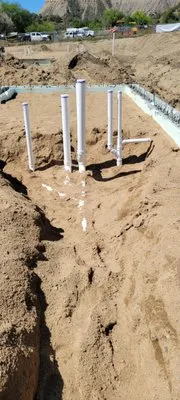
Steele Plumbing is a trusted local plumbing service based in Farmington, NM, specializing in a wide range of residential and commercial plumbing needs. From routine repairs like fixing leaky faucets a...
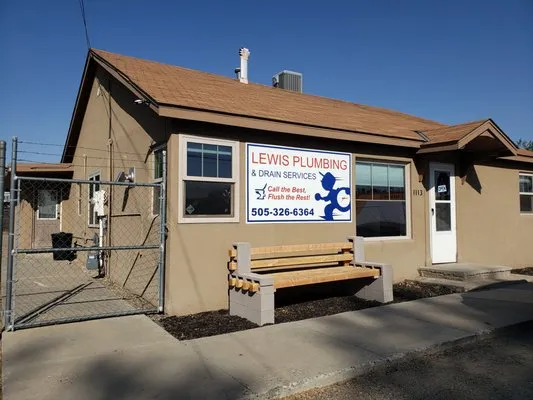
Lewis Plumbing & Drain Services has been providing reliable plumbing solutions to Farmington, NM, for over 16 years. We specialize in a wide range of services including bathtub, drain, faucet, garbage...
Alexander's Plumbing is a trusted, fully licensed, bonded, and insured plumbing service serving the Farmington community. We provide a comprehensive range of services for both homes and businesses, fr...

Davis Plumbing & Mechanical is a trusted, locally-owned plumbing service serving Aztec, NM, and the surrounding Four Corners area. We specialize in diagnosing and solving the everyday plumbing challen...
Estimated Plumbing Costs in Lukachukai, AZ
Q&A
How quickly can a plumber reach my home in Lukachukai?
Heading past Lukachukai Mountains on Indian Route 13, my dispatch route typically takes 90-120 minutes depending on your exact location and road conditions. The terrain and distance from major service centers mean most plumbing emergencies require this travel window. I keep my truck stocked with common copper repair materials and well system components to minimize return trips. Knowing the route well helps me estimate arrival times accurately for Lukachukai Chapter residents.
What permits do I need for plumbing work in Lukachukai?
Most plumbing projects in Lukachukai Chapter require Navajo Nation Building Permits Department approval, plus compliance with Arizona plumbing codes. As a licensed contractor with the Arizona Registrar of Contractors, I handle this red tape for clients. The permit process ensures work meets safety standards and protects your property value. For well or septic modifications, additional environmental reviews may apply through Navajo Nation agencies. Proper documentation matters for insurance claims and future property transfers.
What should I do to prepare my plumbing for Lukachukai's cold winters?
Winterize exposed pipes before temperatures drop to 18°F, focusing on crawl spaces and exterior walls. Insulate pipes in unheated areas and consider heat tape for vulnerable sections. Drain and shut off outdoor spigots before the first freeze. During spring thaw, check for new leaks as ground movement can stress older pipe connections. These preventive measures matter more in our arid climate where temperature swings can be dramatic despite low annual precipitation.
Could the hilly terrain around Lukachukai Mountains affect my main water line?
Hilly slopes create drainage challenges that put stress on main water lines entering your home. Soil movement during wet periods or freeze-thaw cycles can shift pipe alignment, potentially causing joint separation or cracks. Proper grading around your foundation helps direct water away from the main line entry point. Installing a protective sleeve where the line enters the ground provides additional security against terrain-related damage common in Lukachukai's mountainous areas.
Are there special considerations for plumbing in rural Lukachukai?
Rural properties with private wells and septic systems require different maintenance than municipal-connected homes. Well pump pressure settings need periodic adjustment to prevent pipe stress, while septic system backups can indicate drainage issues in the plumbing itself. Distance from municipal water means you're responsible for the entire system from well to fixtures. Regular well testing and septic inspections help prevent emergencies that would be more complicated to address given our remote location.
Does hard water from our private wells damage plumbing fixtures?
Hard water scaling from private wells accelerates wear on water heaters, faucet cartridges, and shower valves. Mineral buildup inside water heater tanks reduces efficiency and can lead to premature failure of heating elements. Scale accumulation in faucet mechanisms causes stiffness and eventual leakage. Installing a whole-house water softener or conditioner specifically sized for your well's flow rate protects your plumbing investment and extends fixture lifespan.
My Lukachukai home was built around 1987 - should I be worried about my plumbing?
Your copper pipes are now 39 years old, which puts them in the typical failure window for this material. Homeowners throughout Lukachukai Chapter are seeing pinhole leaks and joint calcification as the original solder and fittings reach the end of their service life. Copper installed in the late 1980s often develops these issues between 35-45 years, especially with our hard water conditions. Regular inspections of visible plumbing in crawl spaces and basements can help catch problems before they become emergencies.
What's causing these small leaks in my copper pipes?
Pinhole leaks in 39-year-old copper systems often result from corrosion where dissimilar metals meet or from erosion in high-flow areas. The original dielectric unions installed in 1987 may have failed, allowing galvanic corrosion between copper and other metals. Joint calcification from decades of hard water mineral buildup can also create stress points that eventually fail. These failures typically appear first at elbows, tees, and connections to appliances or fixtures.
