Top Emergency Plumbers in Grand Canyon Village, AZ, 86023 | Compare & Call

Grand Canyon Village Emergency Plumbers
Phone : (888) 860-0649
There are 12 plumbing companies server in Grand Canyon Village AZ

Lynlee Plumbing is a licensed and reliable plumbing company serving Flagstaff, AZ. We provide a full spectrum of plumbing services, from routine faucet repairs to complex water heater and gas line ins...

Your Plumber Heating & Air
Your Plumber Heating & Air is a Flagstaff-based, family-operated company with over 35 years of combined experience serving Northern Arizona. Founded by Michael, a Journeyman Level Plumber whose career...
Mountain High Plumbing
Mountain High Plumbing is a trusted, family-owned plumbing and heating company serving Flagstaff and Northern Arizona since 1994. We are dedicated to providing reliable, professional service for both ...
Fiscor Plumbing and Air
Fiscor Plumbing and Air has been a trusted name in North Arizona for over 20 years. As a licensed provider of plumbing and air conditioning services, we specialize in everything from routine maintenan...
Davidson Plumbing & Heating
Davidson Plumbing & Heating is a family-owned and operated Flagstaff business with deep roots in the community, serving Northern Arizona since 1901. With over a century of experience, we provide relia...
Ponderosa Plumbing & Heating
Ponderosa Plumbing & Heating is a locally owned and operated family business serving Williams, AZ, and the surrounding communities. As an AZ K-37 Licensed, Bonded, and Insured Residential and Commerci...
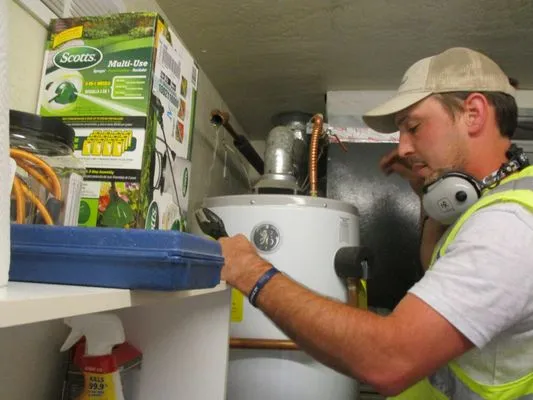
Precision Utility Locating is a certified utility locating service based in Dewey, AZ, with over 20 years of dedicated service to Northern Arizona. Led by Craig, who brings more than 30 years of const...
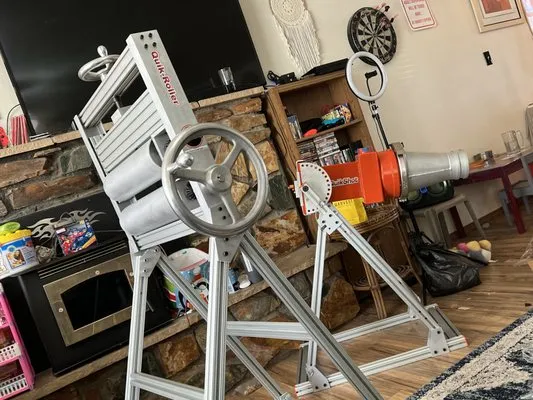
Liquid Rock Sewer Lining is Flagstaff's trusted plumbing and sewer specialist, dedicated to solving the unique challenges faced by local homes and businesses. We provide a full spectrum of services, f...
JEM Service is a trusted Flagstaff plumbing and handyman company serving Northern Arizona homes and businesses. We specialize in comprehensive plumbing solutions including drain repair, gas line insta...
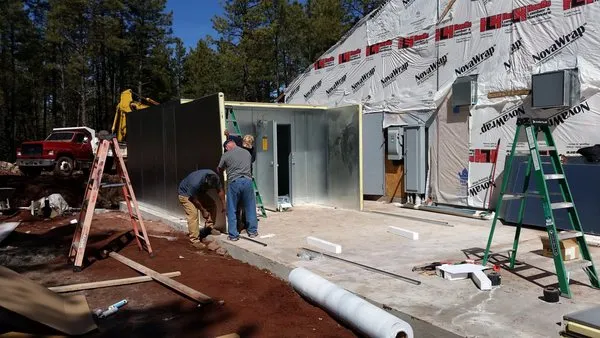
1 Source Mechanical
1 Source Mechanical is a trusted, local mechanical contractor based in Williams, AZ, specializing in metal fabrication and expert plumbing inspection services. We understand the unique challenges Will...
Estimated Plumbing Costs in Grand Canyon Village, AZ
Frequently Asked Questions
If I have a plumbing emergency, how long does it take for a plumber to get to my house?
Our typical dispatch route starts near the El Tovar Hotel, heading out on State Route 64. Travel times within the village and to outlying residential areas can vary from 90 to 120 minutes, depending on park traffic and the exact location. We factor this in when we give you an ETA, so you know what to expect from the moment you call.
Do I need special permits or approvals for plumbing work inside the park?
All major plumbing work here requires coordination with National Park Service Facilities Management for inspections and utility coordination. As a master plumber licensed with the Arizona Registrar of Contractors, I handle that red tape directly. This includes securing the necessary permits and ensuring all work meets both AZ state code and the specific standards set by the NPS for historic and infrastructure preservation.
Why do my copper pipes seem to be failing all of a sudden?
Copper installed around 1992 is prone to specific failures after three decades of service. The most common issue we see is pinhole leaks caused by a combination of aggressive local water and a buildup of mineral scale that creates corrosive pockets. Another frequent problem is joint calcification at solder points, which restricts water flow and can cause sudden, brittle failures when the system is stressed.
What's the most important thing I should do to protect my pipes from freezing here?
While our lows can hit 18°F, the arid climate and dry cold can deceive you into thinking pipes are safe. The real danger is the spring thaw peak, when fluctuating temperatures can cause previously frozen sections to burst. The pro-tip is to drain and shut off exterior bibs and irrigation lines before the first hard freeze, and keep a trickle of water flowing through vulnerable interior lines on the coldest nights.
Does the hard water from Roaring Springs damage my plumbing fixtures?
Yes, the hard water supplied from the Roaring Springs source leads to significant scale buildup. This calcium carbonate scale acts as an insulator inside water heaters, forcing them to work harder and fail sooner. On fixtures, it clogs aerators and showerheads, reducing flow and pressure. Over years, this scaling also narrows the interior diameter of pipes, increasing stress on your entire system.
Since we're in a national park village, are my water and sewer systems different from a normal town?
Your systems are managed by the National Park Service Facilities Management, which operates its own water and wastewater treatment plants. This means pressure and water quality are controlled locally. For plumbing work, we coordinate directly with NPS utilities to schedule any necessary service shutoffs, ensuring minimal disruption to you and your neighbors.
How old are the copper pipes in the homes around here, and what kind of problems should I expect?
Most of the copper plumbing in Grand Canyon Village dates to the early 1990s, which makes it about 34 years old as of 2026. Copper at this age is entering a critical period. Homeowners in the Historic District are now seeing classic signs of aging: pinhole leaks from internal pitting and joints that weep due to decades of mineral interaction with our hard water. It is not a question of if, but when these systems will need significant attention or partial replacement.
Could the hilly landscape be causing my drainage problems?
The hilly terrain around areas like El Tovar Hotel absolutely affects drainage. Downslope from your home, soil saturation can put hydrostatic pressure on foundation drains and sewer laterals. For homes built into a slope, the main water service line often experiences extra stress at the point where it transitions from the deeper municipal trench up to your foundation, a common spot for leaks to develop over time.
