Top Emergency Plumbers in Gila Crossing, AZ, 85339 | Compare & Call

There are 240 plumbing companies server in Gila Crossing AZ
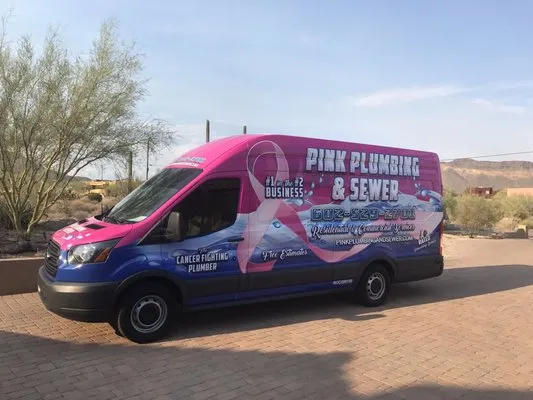
Founded in 2006 by a plumber with nearly a decade of experience working for others, Pink Plumbing & Sewer was built on a simple promise: to offer better value and more affordable, high-quality workman...
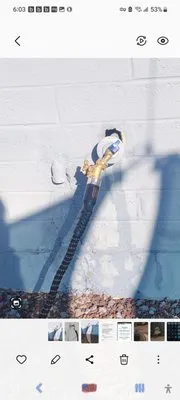
Rooter & Plumbing Service
Since 1993, Rooter & Plumbing Service has been the trusted, local plumbing solution for Phoenix homeowners. Owned and operated by Stephen, our small, personal business model is built on hard work, ded...
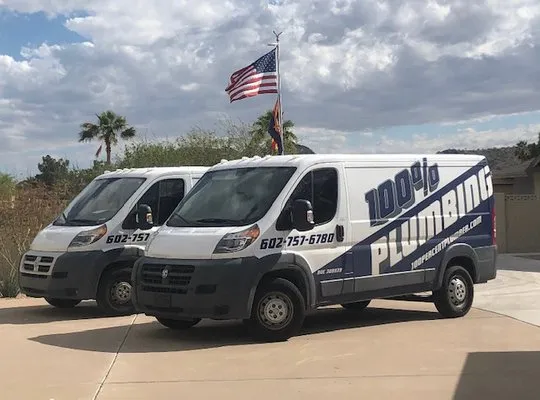
100% Plumbing is your Glendale-based, family-owned plumbing service, founded by local expert Mont Stephenson. With 24 years of experience serving the Phoenix valley—including a decade in management ro...
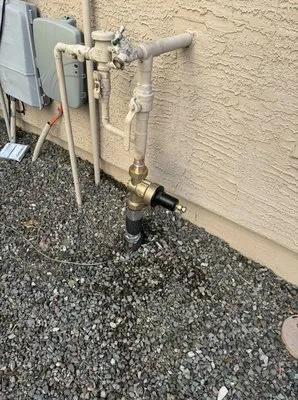
Somers Plumbers is a locally-owned plumbing service in Phoenix, AZ, founded by Dave, who brings decades of experience from starting in the trade at age 16 in Wales. The company focuses on honest commu...
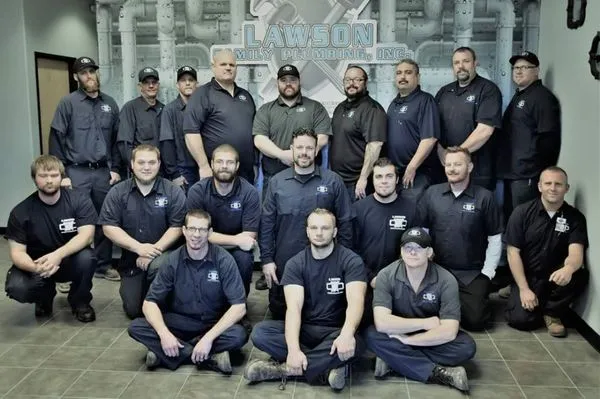
Lawson Family Plumbing
For over two decades, Jeffrey Lawson has been a trusted plumber serving the Phoenix community where he was raised. He founded Lawson Family Plumbing on the principles of character, integrity, and exce...
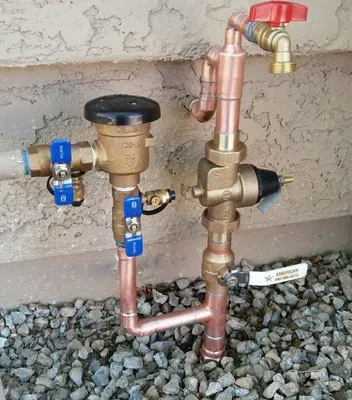
American Plumbing and Rooter
American Plumbing and Rooter is a locally owned and operated plumbing company proudly serving Chandler and the surrounding Southeast Valley. Founded by a master plumber with over 21 years of experienc...
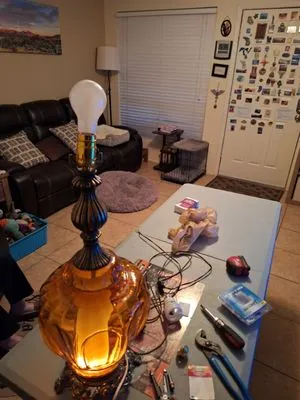
Dan the Handyman
For over 20 years, Dan has been serving Phoenix homes as a licensed handyman, driven by a simple mission: to provide exceptional home repair services at affordable prices. He started his business to e...
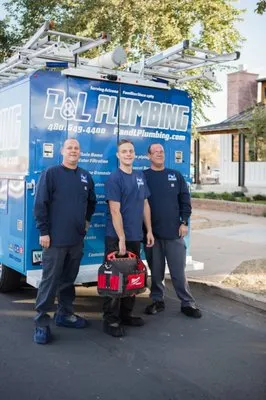
P&L Plumbing is a licensed and bonded full-service plumbing company serving Mesa and the wider East Valley. We specialize in comprehensive residential plumbing solutions, from routine repairs and inst...
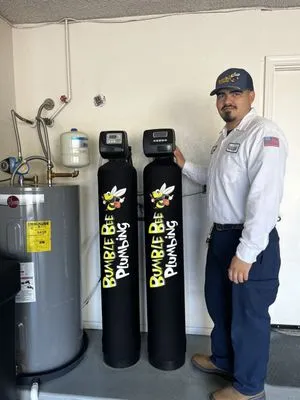
Bumble Bee Home Services
Bumble Bee Home Services is a trusted, family-owned plumbing company based in Glendale, AZ, founded in 2011. Owner Mike Krpata brings over 26 years of professional experience to every job, combining s...
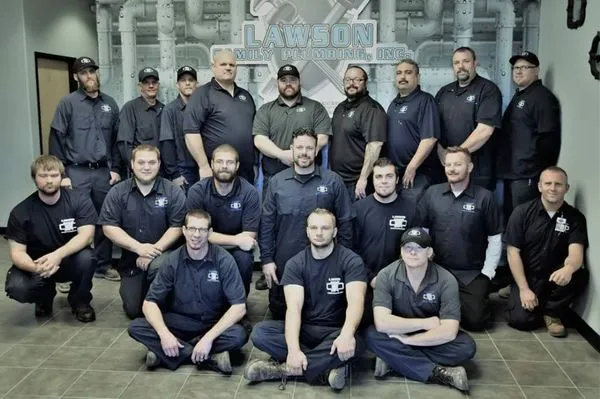
Lawson Family Plumbing
Lawson Family Plumbing is a family-owned and operated business serving Mesa and the East Valley. Founded by Jeff Lawson, a lifelong plumber raised in Phoenix, our company was built on the principles o...
Estimated Plumbing Costs in Gila Crossing, AZ
FAQs
What plumbing problems are caused by our Arizona heat and cold snaps?
Summer heat stresses PVC drain lines on the south side of a home, potentially causing warping or joint separation. The winter low of 39°F, while not a deep freeze, is enough to crack an uninsulated irrigation backflow preventer or a pipe in an unheated crawlspace. A pro-tip is to wrap exterior pipes and hose bibs with insulation before summer monsoons, as the rapid temperature drop after a storm can shock the system.
Could the flat land here cause drainage issues for my home?
The plain terrain around areas like St. John the Baptist Mission offers very little natural slope for gravity-fed drainage. This can lead to standing water near the foundation during heavy rains, which over time saturates the soil. That constant moisture and subsequent soil movement can put lateral stress on the main sewer line, leading to misaligned joints or cracks.
How long does it take for a plumber to get to my house out here?
From our base, a typical dispatch route heads past St. John the Baptist Mission to access I-10. This main artery gets us into the community efficiently. Given traffic and the final local roads, you can expect a service vehicle at your door in about 45 to 60 minutes for a standard call.
Does our hard water from the Salt River Project damage appliances?
Yes, the mineral content leads to significant scale buildup. Inside a water heater, this layer of calcium and magnesium acts as an insulator, forcing the unit to work harder and fail sooner. You will also notice reduced flow and premature washer failure in faucets, especially on the hot water side where scale forms faster.
What permits are needed for a plumbing repair in the Gila River Indian Community?
Work often requires approval from the Gila River Indian Community Department of Community Development. As a licensed contractor with the Arizona Registrar of Contractors, I manage that permit process directly. This includes scheduling any required inspections, which ensures the work meets all local codes and protects your home's value. You do not have to navigate that red tape yourself.
Why do I keep getting pinhole leaks in my copper pipes?
Copper pipes from the early 2000s can be prone to a specific type of corrosion called Type 1 pitting. Our hard, mineral-rich water accelerates this process, creating concentrated pits that eventually perforate the pipe wall. The leaks often start at solder joints or where the pipe contacts dissimilar metals without a proper dielectric union.
Are the copper pipes in my Gila Crossing home starting to fail?
Copper plumbing installed around 2004 is now 22 years old. At this age, the initial protective coating inside the pipes can wear thin from constant water flow. Homeowners in the Gila River Indian Community are now seeing the first signs of pinhole leaks, often appearing as greenish-blue corrosion spots on pipe fittings or small damp patches on walls.
As a rural home, what special plumbing systems should I maintain?
Many homes in Gila Crossing operate on private well and septic systems, not municipal lines. This means you are responsible for the entire water cycle. Regular septic tank pumping every 3-5 years is critical to prevent drain field failure. Well pump pressure switches and tanks also require periodic service to ensure consistent water delivery and prevent pump burnout.
