Top Emergency Plumbers in Corona Tucson, AZ, 85641 | Compare & Call

There are 170 plumbing companies server in Corona Tucson AZ

Done Rite Services
Done Rite Services is a family-owned, licensed, bonded, and insured contractor proudly serving Tucson and surrounding communities like Marana, Vail, and the Catalina Foothills. Founded on the principl...
Cal's Plumbing is a family-owned plumbing company serving Tucson and surrounding communities since 1948. As a third-generation plumber with deep roots in the area, I bring over two decades of hands-on...
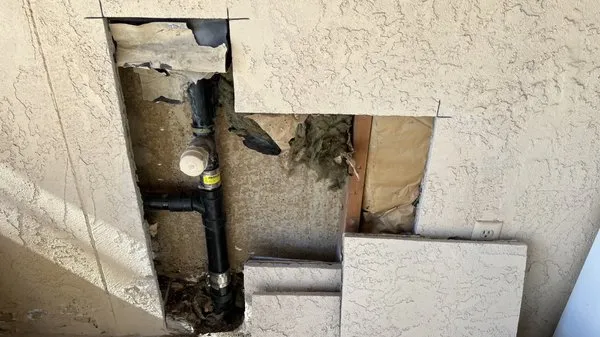
MacInnis Plumbing is a trusted, locally-owned plumbing service in Tucson, Arizona, with over 25 years of dedicated experience. Founded by Mike McInnis, whose reputation for reliability and skill has e...
Silverado Rooter & Plumbing
Silverado Rooter & Plumbing is a cornerstone of Tucson's plumbing industry, built on decades of hands-on expertise. Founded in 2004 by Art Cake, the company is now led by CEO Leroy Johnson, who brings...
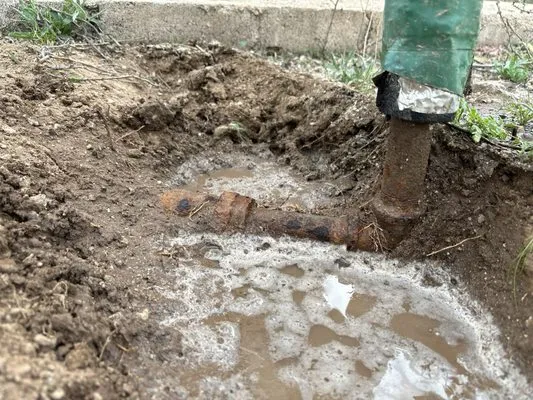
Affordable Plumbing Tucson is your local, licensed, bonded, and insured plumbing partner, dedicated to providing quality service at down-to-earth prices for residents and businesses across Tucson, Mar...

Cool Willy's Air & Plumbing
Cool Willy's Air & Plumbing is a family-owned and operated Tucson company serving the community since 1991. Founded locally, we take pride in being part of the fabric of Southern Arizona. General Mana...
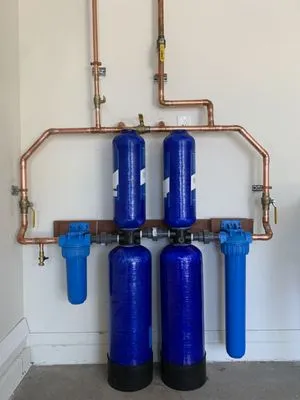
Quality Plumbing Pros
Quality Plumbing Pros in Tucson, AZ, is a licensed plumbing service with 19 years of experience, led by Union-trained expert Aaron. With extensive background in both residential and commercial project...

Plumber of Tucson
Founded in 2005 by Don, a licensed professional with over 18 years of experience and more than 13,000 projects under his belt, Plumber of Tucson has grown from a sole proprietorship into a full-servic...
Valentine Plumbing is a family-owned and operated business proudly serving Tucson and the surrounding communities. With a combined team experience exceeding 110 years, we’ve built our reputation on re...
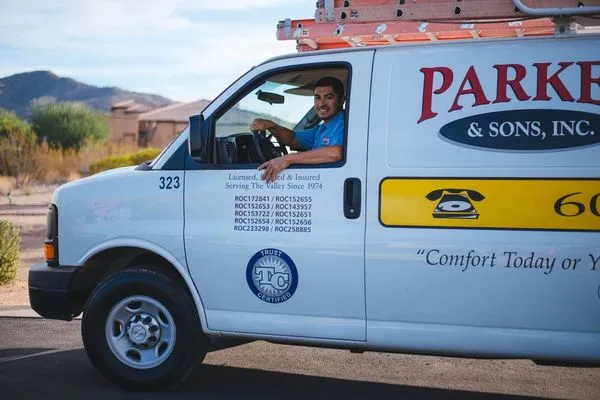
Parker & Sons
Parker & Sons is a licensed and bonded service provider serving Tucson, AZ, with comprehensive HVAC, plumbing, and electrical solutions. We specialize in installation, maintenance, and repair services...
Estimated Plumbing Costs in Corona Tucson, AZ
Frequently Asked Questions
Could the flat, hard soil here cause plumbing problems?
The compacted, caliche-heavy soil common around Saguaro National Park and Corona de Tucson doesn't absorb water well, which can lead to pooling and poor drainage during monsoon rains. This puts constant, uneven pressure on your main sewer line. Over years, it can cause the line to settle or develop a belly where waste collects, eventually leading to a blockage. A video inspection can identify this kind of stress before a backup occurs.
What's the most important plumbing tip for surviving a Tucson summer?
Insulate your exterior hose bibs and any exposed pipes in the attic. While our winter lows around 38°F get attention, summer heat can actually cause PVC pipes to soften and sag, stressing joints. Also, set your water heater temperature to 120°F; the incoming groundwater is already warm, and a lower setting reduces mineral scaling and energy costs. Check irrigation lines regularly for sun-rot and leaks.
How long does it take for a plumber to get to Corona de Tucson for an emergency?
From central Tucson, my typical dispatch route heads past Saguaro National Park East on Old Spanish Trail to pick up I-10 south. Traffic permitting, that's a reliable 45 to 60 minute drive to most neighborhoods in Corona de Tucson. I plan routes around rush hour and roadwork to keep that window consistent for urgent calls like a burst water heater or a main line stoppage.
As a suburban home, what are the most common plumbing issues I might face?
Municipal water pressure here is generally stable, but pressure-reducing valves can fail after 15-20 years, leading to excessively high pressure that stresses pipes and fixtures. Another frequent issue is tree roots from native mesquite or palo verde trees seeking moisture and infiltrating the lateral sewer line that runs from your house to the street main. Regular drain cleaning and camera inspections are key to managing these suburban-specific risks.
Why is my 2006-era PEX plumbing suddenly leaking at the fittings?
Two decades of hard water and thermal expansion from our desert heat can degrade the seals in older PEX systems. A common failure point is the crimp rings or clamp connections, where scale buildup and plastic fatigue create pinhole leaks. Another issue is the dezincification of brass fittings from corrosive water, which weakens them. Repairs often involve replacing a section of pipe and upgrading the fitting to a modern, corrosion-resistant type.
Do I need a permit to replace my water heater in Pima County?
Yes, Pima County Development Services requires a permit for water heater replacement to ensure proper venting, seismic strapping, and pan installation are up to code. As a licensed contractor with the Arizona Registrar of Contractors, I pull all necessary permits, schedule the inspections, and handle that red tape for you. This protects your home insurance and ensures the installation is documented and safe.
My Corona de Tucson home was built around 2006. Should I be worried about my plumbing?
Homes built in 2006 are now 20 years old, which is the lifespan when certain PEX plumbing components begin to show their age. You're likely seeing issues like stiffening plastic at brass fittings, which can lead to small leaks under sinks, or the first signs of failure in early-generation plastic shut-off valves. It's a good time for a proactive inspection to catch minor leaks before they cause drywall or cabinet damage.
Does the hard water from the Central Arizona Project damage my home's plumbing?
Yes, the mineral content in our CAP water leads to significant scale buildup. Inside your water heater, this sediment insulates the heating elements, forcing them to work harder and fail prematurely. On fixtures and appliances, it clogs aerators and reduces flow. The most effective defense is a whole-house water softener, which protects your water heater, extends appliance life, and prevents scale from restricting pipes over time.
