Top Emergency Plumbers in Ozark, AR, 72949 | Compare & Call

There are 21 plumbing companies server in Ozark AR
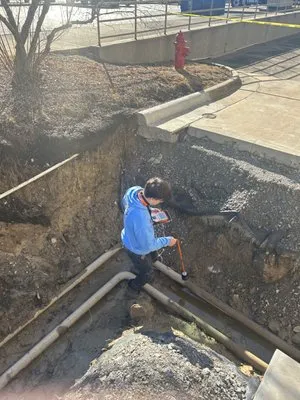
Sherlock Holmes Leak Detection is your trusted, local plumbing expert serving Arkoma, OK, and the surrounding area. We specialize in diagnosing and solving the common plumbing issues that many local h...

Rood Heating & Cooling
Rood Heating & Cooling has been a trusted family-owned business in Russellville since 1955, now spanning four generations. With over 60 years of experience, we specialize in comprehensive HVAC, plumbi...

In Fort Smith, Josh Mintz Plumbing is the trusted, family-owned name for plumbing services you can count on. Owned and operated by Josh himself, this business brings over a decade of hands-on experien...
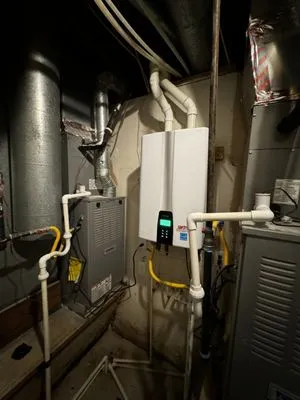
Brewton Plumbing Service
For over 38 years, Brewton Plumbing Service has been the trusted local plumbing expert for Fort Smith, AR, homeowners and businesses. Founded and owned by Kenneth Brewton, our company is built on a fo...
For Van Buren, AR homeowners, Burris Plumbing is the trusted local name for dependable plumbing solutions. We understand that plumbing isn't just about pipes; it's about providing reliable, long-term ...
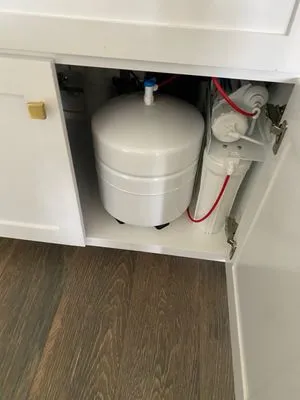
Solair Water Filters is a family-owned plumbing and water treatment company proudly serving Fort Smith and the surrounding region since 2008. Originally founded as a water filter sales business, we we...
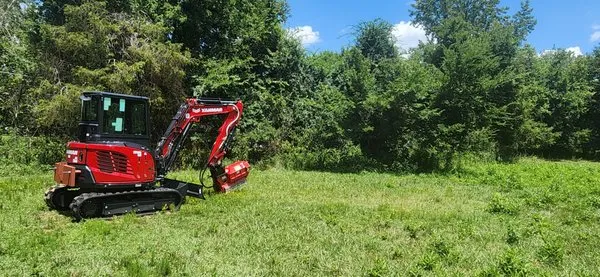
River Valley Landworx is a Van Buren-based excavation and land management company focused on providing certified, reliable services for both residential and commercial needs. We specialize in a wide r...

Affordable Plumbing Service is your trusted local plumber in Booneville, AR. We understand the unique challenges Booneville homeowners face, like pipe shifting caused by our region's expansive clay so...

Borengasser Plumbing is a local Fort Smith plumbing service committed to providing reliable, lasting solutions for homeowners. We focus on doing the job right the first time, ensuring repairs and inst...
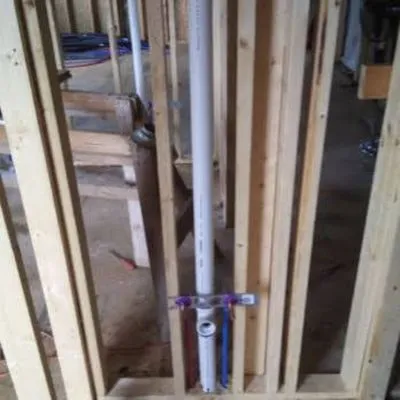
Grace Plumbing is a trusted, full-service plumbing company serving Fort Smith, AR, and the surrounding communities. We specialize in a comprehensive range of residential and commercial plumbing servic...
Estimated Plumbing Costs in Ozark, AR
FAQs
How long does it take for a plumber to get to my house in Ozark?
Heading past the Ozark Area Depot Museum, we take I-40 for the fastest route across town. Most calls from downtown or off the highway get a truck on-site within 45 to 60 minutes. Knowing these main corridors lets us plan for traffic and bypass any local road closures efficiently.
What permits are needed for a plumbing repair in Ozark, and who handles them?
Most repairs require a permit filed with the Ozark City Clerk, and any gas work needs inspection by the Arkansas Department of Health Plumbing and Natural Gas Program. As a licensed master plumber, I pull those permits and schedule inspections. My credential number is on the paperwork, so you don't have to manage the red tape.
What's the best way to prepare my Ozark home's plumbing for winter?
While our low of 28°F is mild, the spring thaw is the real test. A pro-tip is to drain and shut off exterior hose bibs in late fall, but also to check crawl space insulation. Temperature swings during thaw cycles can cause poorly supported pipes to contract and expand at joints, leading to cracks that only show when water pressure peaks.
Does hard water from the Arkansas River damage my plumbing?
Water drawn from the river carries dissolved minerals that precipitate as scale. This limescale buildup insulates water heater elements, forcing them to work harder and fail sooner. It also narrows pipe diameter over time, reducing flow to fixtures and clogging aerators and showerheads with white crust.
Why do my 1980s copper pipes keep springing pinhole leaks?
Copper pipe from that era can suffer from type M thin-wall tubing or improper solder joints. After 40 years, microscopic pits form inside the pipe from water chemistry and erosion, eventually wearing through. We often find these leaks where pipes rub against framing or where hot and cold lines meet without a dielectric union, accelerating corrosion.
How old are the copper pipes in Ozark homes, and what problems should I expect?
Copper plumbing installed around 1986 is now 40 years old. Homeowners in Downtown Ozark are seeing the first generation of pinhole leaks and joint failures. This age is typical for copper to thin from decades of water flow, especially with our hard water. You might notice small damp spots on walls or a drop in water pressure before a major leak develops.
As a rural homeowner near Ozark, what unique plumbing issues should I watch for?
Properties outside town limits typically rely on a private well and septic system. Well pump pressure switches and tanks need regular service, while septic fields in clay soil can fail if overloaded. You don't have municipal water pressure, so any pressure loss usually points to the well system or a leak in the main line from the wellhead.
Could the hilly land in Ozark be causing my drainage problems?
The slope around areas like the Ozark Area Depot Museum shifts soil and puts constant stress on underground main lines. This settling can crack sewer pipes or separate joints. For drainage, water always runs to the low point, which often means foundation footings and basement walls take on extra hydrostatic pressure during heavy rains.
