Top Emergency Plumbers in Flippin, AR, 72634 | Compare & Call

There are 232 plumbing companies server in Flippin AR
Davis Plumbing Solutions is a licensed, bonded, and insured plumbing service with 17 years of experience serving Central Arkansas, including Mayflower. We provide reliable, quality work at flat rate p...
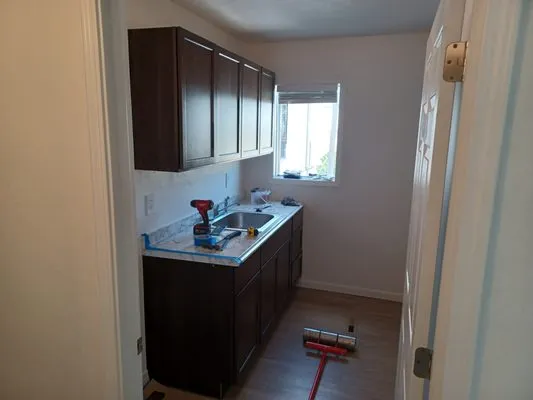
Justin Time Construction is a Perryville-based construction and plumbing company dedicated to quality workmanship and reliable customer service. We focus on being detail-oriented and schedule-consciou...

Red River Plumbing & Mechanical is a locally-owned plumbing company serving Searcy, AR and surrounding communities. Founded in 2022 by experienced plumbers seeking independence from corporate structur...
FixIt4U LLC is your trusted local expert in Leslie, AR, built on over 20 years of hands-on experience and a simple promise: "I can fix it for you." Owner-operated and fully insured, we combine profess...

Paschal Air, Plumbing & Electric
For over 50 years, Paschal Air, Plumbing & Electric has been the trusted local partner for homeowners and businesses in Searcy and Central Arkansas. Our team of professional tradesmen brings deep expe...
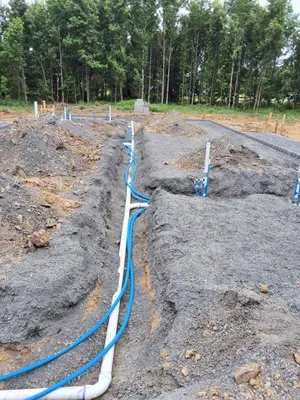
Ozark Plumbing has been serving Austin, AR, and the surrounding communities with reliable plumbing solutions for over two decades. With more than 20 years of combined experience in both residential an...
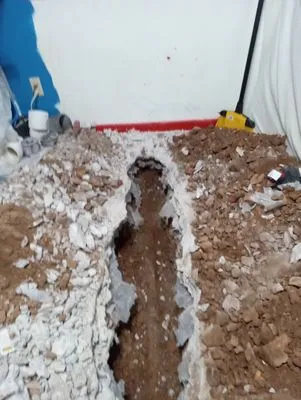
Holmes Drain Cleaning is a family-owned plumbing service serving Huntsville, AR, and the surrounding communities. With over five years of experience, we specialize in drain cleaning, sewer services, a...

For over two decades, Thomas 'Rich' Payne, a Master Plumber, has led P & P Plumbing, Inc. with a commitment to doing the job right the first time. Based in Eureka Springs, AR, Rich and his team of hig...
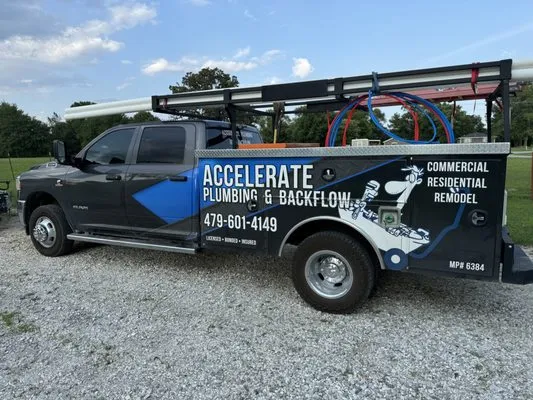
Accelerate Plumbing & Backflow is a trusted, full-service plumbing company serving homeowners throughout Lowell, Arkansas. We understand the common plumbing challenges faced by local residents, such a...
For over [number] years, Housden Water Well Drilling & Repair has been the trusted local resource for water and plumbing solutions in Jasper and the surrounding Newton County area. We specialize in th...
Estimated Plumbing Costs in Flippin, AR
Common Questions
How does hilly terrain affect my home's drainage?
Hilly slopes near White River can strain main lines and alter drainage patterns. Soil erosion may expose pipes or shift foundations, leading to leaks or blockages. Proper grading around your home directs water away, preventing basement flooding. In steep areas, consider reinforced piping to handle ground movement.
Are septic systems common in rural Flippin?
Many rural homes here use septic systems and private wells. Septic tanks require regular pumping every 3-5 years to prevent backups, especially with hard water scaling. Wells need testing for mineral content that affects plumbing. Municipal services are limited, so maintaining these systems is crucial for reliability.
What should I do before spring thaw to avoid plumbing problems?
Before spring thaw, insulate exposed pipes and check for cracks. Temperatures here drop to 26°F, and thaw cycles can stress older systems. Drain outdoor spigots and ensure crawl spaces are sealed. A pro-tip: schedule a pressure test in late winter to catch weak points before they fail.
Does White River water damage water heaters?
Hard water from the White River causes scale buildup in water heaters and fixtures. Minerals accumulate on heating elements, reducing efficiency and shortening lifespan. Fixtures like showerheads clog over time, requiring descaling. Installing a water softener or regular maintenance helps mitigate these effects.
Who handles permits for plumbing work in Marion County?
Marion County Building Department oversees permits, and the Arkansas Department of Health Plumbing and Natural Gas Program sets codes. As a licensed master plumber, I handle the red tape so you don't have to. This includes inspections and compliance, ensuring work meets local standards without hassle for homeowners.
How fast can a plumber reach my home near White River?
Heading past White River on US-62, a dispatch route covers most of Flippin in 45-60 minutes. Traffic is light, but hilly roads require careful driving with equipment. We prioritize emergencies and coordinate to minimize travel time, knowing quick response prevents water damage in older homes.
Why do my copper pipes keep springing pinhole leaks?
Copper pipes from 1979 often develop pinhole leaks due to electrolytic corrosion and scale buildup. Hard water accelerates wear, creating weak spots that fail under pressure. Joint calcification is another issue, where mineral deposits stress connections. Regular inspections can catch these before they cause major damage.
How long do copper pipes last in Flippin homes?
Copper pipes installed around 1979 are now 47 years old. Homeowners in Downtown Flippin often notice blue-green stains around fixtures or small leaks at joints. This age typically brings thinning walls from decades of water flow, especially with our mineral-heavy supply. Many systems from that era need inspection for corrosion or replacement sections.
