Top Emergency Plumbers in Dumas, AR, 71639 | Compare & Call

There are 10 plumbing companies server in Dumas AR
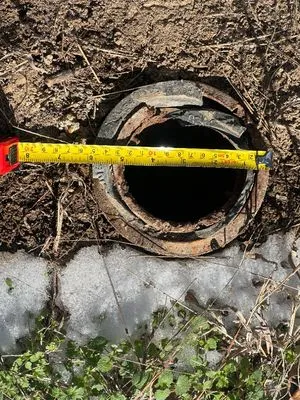
Make A Move Drain Cleaning is a locally-owned plumbing service based in Little Rock, AR, founded by a manager who completed trade school and built the business on personal customer relationships. Spec...

Adams Plumbing Heat & Air is a trusted, full-service plumbing and HVAC company serving Stuttgart, AR, and the surrounding communities. We specialize in comprehensive solutions for both residential and...

Claude's Jack Of All Trades is a Jacksonville-based service provider with over 18 years of professional experience as a diesel mechanic for the City of Little Rock. This extensive background in mechan...
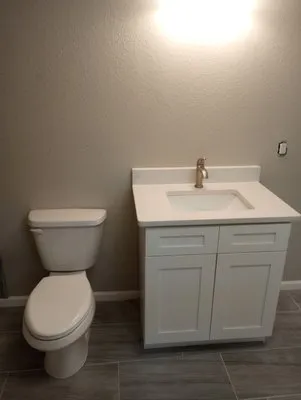
MC Square Plumbing Repair is a Hensley-based plumbing service built on a foundation of care and integrity. We understand it's challenging to find a contractor who prioritizes quality workmanship over ...

Service Solutions is your trusted, full-service plumbing partner in Sheridan, AR. We specialize in everything from routine faucet repairs and drain cleaning to complete plumbing system installations. ...
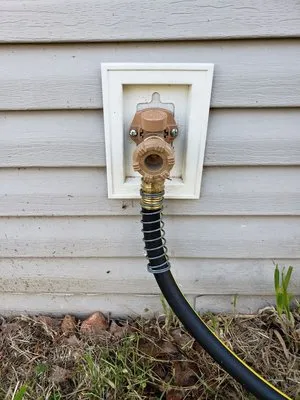
PG Plumbing & Drain is your trusted local plumbing service in Rison, AR. We are a dedicated team of professionals committed to providing reliable plumbing solutions for your home or business. Our work...
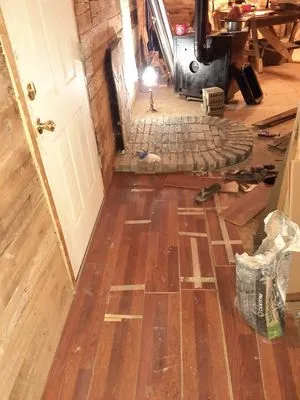
S&M Remodeling is a trusted, full-service remodeling and construction company serving Little Rock, AR, and the surrounding areas. We specialize in a wide range of home improvement projects, including ...
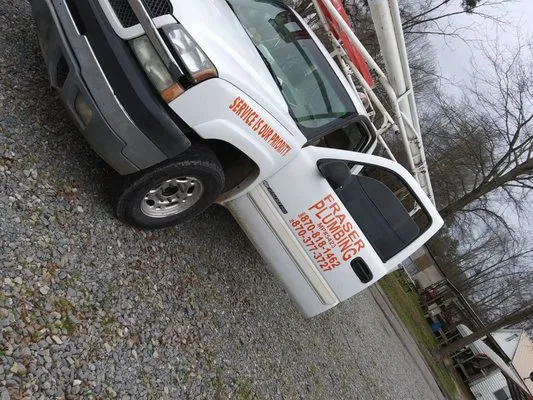
Fraser Plumbing
Fraser Plumbing is a family-owned plumbing company serving Dumas, AR, and surrounding areas since 1990. With over 40 years of industry experience, we provide reliable residential, commercial, and indu...
Kens Plumbing is a trusted, full-service plumbing company serving Dumas, AR, and the surrounding area. We specialize in resolving the common plumbing challenges local homeowners face, such as stubborn...
McDonald Irrigation serves Dumas, AR, and the surrounding region, specializing in comprehensive water management solutions for both agricultural and residential properties. We understand local challen...
Estimated Plumbing Costs in Dumas, AR
Q&A
How quickly can a plumber reach my home in Dumas during an emergency?
Heading past Dumas Depot and Museum on US-65 provides direct access to most neighborhoods. From that starting point, a typical dispatch route covers residential areas within 45-60 minutes. Local knowledge of side streets and alleyways helps avoid delays, ensuring prompt arrival for urgent issues like burst pipes or sewer backups.
Why are so many homes in Downtown Dumas suddenly having plumbing problems?
Galvanized steel pipes installed around 1976 are now 50 years old. At this age, the zinc coating has worn away, exposing the underlying steel to corrosion. Homeowners in Downtown Dumas are seeing reduced water pressure, rusty water discoloration, and frequent leaks at threaded joints. The pipes have reached their typical lifespan limit, and replacement becomes more cost-effective than repeated repairs.
Are septic systems common in Dumas, and what maintenance do they need?
Many properties outside municipal sewer lines use septic systems. These require regular pumping every 3-5 years to prevent solids from entering the drain field. Avoid flushing non-biodegradable items and limit garbage disposal use to reduce sludge accumulation. Well water systems also need annual testing for bacteria and mineral content to ensure safe drinking water.
What should I do before spring thaw to prevent plumbing issues?
Insulate exposed pipes in crawl spaces and attics before temperatures drop to 31°F. Drain and shut off outdoor spigots, and keep cabinet doors open to allow warm air circulation around interior pipes during cold snaps. Check for drafts near plumbing penetrations and seal them to prevent freezing during sudden temperature swings common in this temperate climate.
Who handles permits and inspections for plumbing work in Dumas?
The Dumas City Building Department issues local permits, while the Arkansas Department of Health Plumbing and Natural Gas Program sets state standards. As a licensed master plumber, I coordinate all required inspections and paperwork. This ensures work meets current codes for safety and functionality, handling the red tape so homeowners don't have to navigate bureaucratic processes themselves.
Does Dumas' hard water damage my water heater or fixtures?
Water from the Mississippi River Alluvial Aquifer contains high mineral content that causes scaling. In water heaters, scale accumulates on heating elements and tank interiors, reducing efficiency by 30-50% and shortening appliance life. Fixtures develop mineral deposits that restrict flow and degrade seals, leading to drips and premature failure of cartridges and valves.
Why does my basement or crawl space flood during heavy rains in Dumas?
Low-lying terrain around areas like Dumas Depot and Museum creates drainage challenges. Water naturally flows toward these depressions, putting hydrostatic pressure on foundation walls and sewer lines. Soil saturation can cause main line shifts or joint separations, while poor grading directs surface water toward structures instead of away from them.
What causes those small leaks in older Dumas home pipes?
Galvanized steel pipes from the 1970s develop pinhole leaks due to internal corrosion and scale buildup. As the zinc coating deteriorates, oxygen and minerals in the water attack the steel, creating weak spots that eventually perforate. Joint calcification also occurs, where mineral deposits at connections cause stress fractures and slow drips that worsen over time.
