Top Emergency Plumbers in Valley, AL, 36854 | Compare & Call

There are 63 plumbing companies server in Valley AL

Zoom Drain
Zoom Drain in Opelika, AL is a locally owned and operated plumbing service specializing in comprehensive drain, sewer, and septic solutions. Founded by Alabama natives Richard Manry and Gina Moore, th...
A&C SubContractors
A&C Subcontractors LLC has been a trusted provider of commercial HVAC and plumbing services for Auburn, Alabama, and the surrounding region since 2019. As a licensed and insured contractor, our team s...

Dawson Construction is a trusted, full-service contractor serving Opelika and the surrounding areas. We specialize in a wide range of plumbing and flooring solutions designed to address common local h...
Appliance First-Choice is Auburn, Alabama's trusted partner for keeping homes running smoothly. We specialize in comprehensive appliance repair and installation, from stoves and refrigerators to dishw...
Whatley Brothers
Whatley Brothers is a trusted, family-owned home improvement company serving Opelika and the surrounding communities since 2007. Founded by a team that includes a Master Plumber and a Licensed Alabama...
Hobbs Plumbing is a trusted, full-service plumbing company serving Auburn, AL, and the surrounding areas. We understand the common challenges Auburn homeowners face, such as pipe joint failures and co...

A & M Plumbing has been a trusted name in Alexander City and the Lake Martin area for over three decades, providing reliable plumbing and septic services. Founded in 1991, our growth from a two-person...

For over 25 years, A2Z Home Solutions has been the trusted choice for Valley homeowners needing reliable repairs and renovations. Founded by Michael McDonald, this family-operated business grew from a...
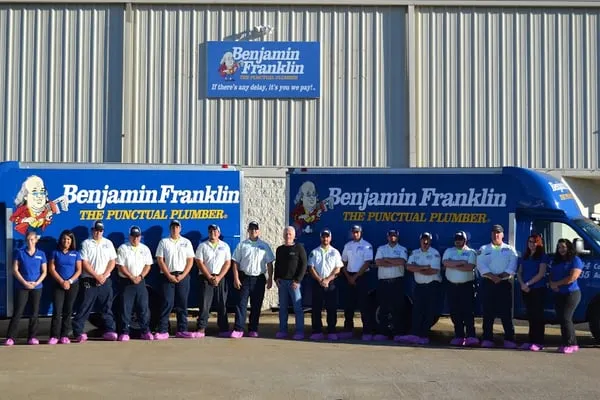
Benjamin Franklin Plumbing
Benjamin Franklin Plumbing in Phenix City, AL, is your locally owned and operated plumbing service, proudly serving the community as part of the Ben Franklin Plumbing Southeast franchise. We are an ac...
ACA Plumbing & Services
ACA Plumbing & Services is a trusted, family-owned plumbing business serving the Auburn-Opelika area since 2006. Founded as a husband-and-wife team, we bring personal attention and quality control to ...
Estimated Plumbing Costs in Valley, AL
Questions and Answers
How quickly can a plumber reach my house in Valley?
Heading past Langdale Mill on I-85, we can typically reach most Valley addresses within 20-30 minutes. That route avoids local traffic bottlenecks and gets us directly into residential areas. For urgent issues like burst pipes, we prioritize dispatch along this corridor to minimize water damage before it spreads through your home.
Why do my copper pipes keep springing leaks?
Copper pipes from the late 1980s often develop pinhole leaks due to decades of water chemistry interaction. The joints can also experience calcification, where mineral deposits weaken connections and cause slow drips. These failures typically occur first in areas with frequent temperature changes, like near exterior walls or in unheated crawlspaces. Replacing affected sections with modern fittings prevents recurring issues.
Do I need permits for plumbing repairs in Valley?
Valley Building Department requires permits for any work beyond basic fixture replacements, and I handle that paperwork directly. As a master plumber licensed by the Alabama Plumbers and Gas Fitters Examining Board, I ensure all installations meet current code standards for safety and insurance compliance. This includes pressure tests, proper venting, and material specifications—you won't need to navigate municipal offices yourself.
Could my home's hillside location cause drainage issues?
Hilly terrain around Langdale Mill puts constant stress on main sewer lines through soil shifting and gravity pressure. Downslope properties often experience slow drains or backups because waste must travel uphill briefly before reaching municipal lines. Installing a backwater valve prevents sewage from flowing back into your basement during heavy rains, when the system becomes overloaded.
As a suburban homeowner, what should I know about my water pressure?
Municipal water pressure in Valley's suburban areas typically runs between 40-60 PSI, but aging pressure regulators can fail and spike above 80 PSI. High pressure stresses pipe joints and accelerates leaks in older copper systems. Installing a pressure-reducing valve where the main line enters your home protects fixtures and prevents sudden failures during pressure fluctuations from the city supply.
Does hard water from the Chattahoochee River damage my appliances?
Hard water from the Chattahoochee River causes scale buildup that reduces water heater efficiency by up to 30% over time. Inside fixtures, mineral deposits restrict flow and degrade rubber seals in faucets and shower valves. Installing a whole-house water softener protects your water heater and extends the life of washing machines, dishwashers, and plumbing fixtures throughout your home.
My Valley home was built around 1987—should I worry about my plumbing?
Copper pipes installed in 1987 are now 39 years old, which is when pinhole leaks often start appearing in our area. Homeowners in Fairfax are seeing small, persistent drips behind walls or under sinks that weren't there a few years ago. This happens because the copper has naturally thinned over decades of water flow and mineral exposure. Addressing these early signs prevents larger failures that can damage drywall and flooring.
What should I do before spring thaw to avoid plumbing problems?
Before temperatures rise above freezing consistently, disconnect and drain outdoor hoses to prevent backflow into your interior pipes. Insulate exposed pipes in crawlspaces and attics, as our 34°F winter lows can still cause residual freezing in vulnerable spots. Check for leaks at hose bibs and irrigation systems once thaw begins—this is when hidden cracks from winter often reveal themselves.
