Top Emergency Plumbers in Sylvania, AL, 35968 | Compare & Call

There are 19 plumbing companies server in Sylvania AL
M&B Plumbing is a trusted, locally-owned plumbing and septic service provider serving Glencoe, Alabama. With over 15 years of dedicated experience, our skilled technicians are equipped to handle every...
Fortner Plumbing is a family-owned business proudly serving the Scottsboro community and surrounding counties for over 50 years. Founded on a legacy of hard work and dedication passed down through thr...
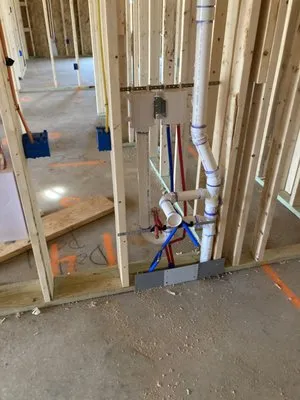
Hometown Plumbing has been serving Paint Rock, AL, and the surrounding communities for years, providing reliable plumbing solutions for local homes and businesses. We specialize in a full range of ser...

Rainsville Plumbing is a trusted local plumbing service in Rainsville, AL, dedicated to addressing the community's plumbing needs with expertise and reliability. Our team specializes in a range of ser...
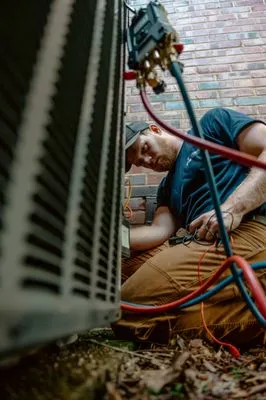
Thomas Service Company
Thomas Service Company has been a reliable partner for HVAC and plumbing in Huntsville, Alabama, since 2005. As a Mitsubishi Electric Diamond Contractor, we bring certified expertise to every job, fro...
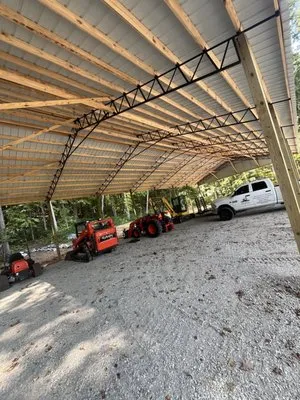
CMO Services in New Hope, AL, is a versatile local contractor dedicated to transforming your property. We specialize in a comprehensive range of services, from foundational excavation and land grading...
On Call Plumbing is a trusted, full-service plumbing company serving Gadsden, AL, and the surrounding communities. We understand the unique challenges local homeowners face, such as pipe corrosion fro...
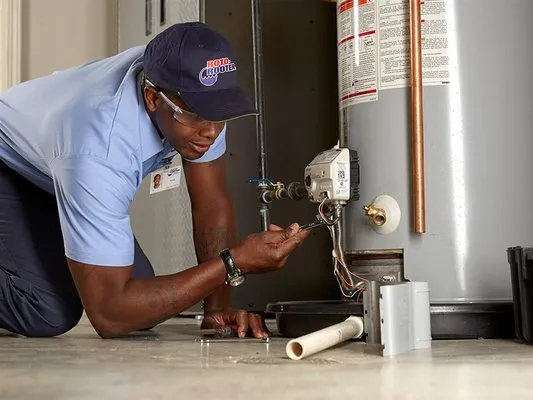
Roto-Rooter in Guntersville is your local, full-service plumbing company, ready to help around the clock. As part of North America's largest network of plumbing professionals, we bring dependable, fas...
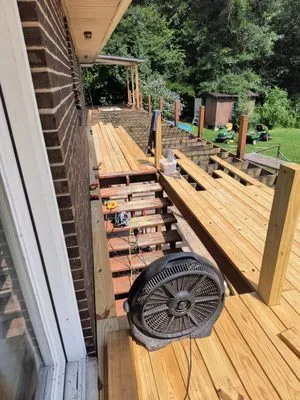
Mike's Handyman Service is your trusted local handyman in Rainbow City, AL, bringing years of practical experience and a commitment to integrity to every job. I've installed hundreds of Life Alert sys...

For over 15 years, JLH Services has been the trusted plumbing expert for Gadsden, Alabama homeowners and businesses. Our team of licensed and insured professionals brings extensive construction and pl...
Estimated Plumbing Costs in Sylvania, AL
FAQs
Can the hilly land around here affect my home's main sewer line?
The sloping terrain near DeSoto State Park means lateral lines from your house to the septic tank or main can experience extra stress. Over time, ground settlement on a hill can cause pipes to sag or separate at the joints. This creates a low spot for waste to collect, leading to recurrent clogs and potential line failure.
Are there special plumbing considerations for a rural home in DeKalb County?
Rural systems here rely on private wells and septic fields. Well pump pressure switches and tanks need regular service due to sediment. For septic, the key is managing what goes down the drain and scheduling inspections every three to five years, as county soils and the terrain affect how the field absorbs effluent.
Does water from Lake Guntersville cause problems for home plumbing?
Water drawn from the lake is mineral-rich. That hardness leads to limescale buildup inside pipes and appliances. Water heaters are particularly vulnerable; the sediment insulates the heating element, causing it to overwork and fail prematurely. Anode rods in heaters here deplete faster than in softer water regions.
Do I need a permit to replace my water heater in Sylvania, AL?
Yes, DeKalb County requires a permit for water heater replacements. As a Master Plumber licensed by the Alabama Plumbers and Gas Fitters Examining Board, I pull the permit, schedule the inspection, and ensure the installation meets current code for expansion tanks and pressure relief. I handle the red tape so you don't have to.
How quickly can a plumber get to my home in Sylvania from the shop?
My typical dispatch route has me heading past DeSoto State Park on State Route 117. Barring heavy farm equipment or weather on those two-lane roads, I can usually be at a Sylvania home within 45 to 60 minutes of the call. I plan the route to minimize your wait.
How long do copper pipes typically last in a house built around 1985, like many in Sylvania Town Center?
Copper pipes installed in 1985 are now 41 years old. At this age, the protective interior scale that forms over decades can become unstable. Homeowners here often start noticing a pattern of pinhole leaks, especially at solder joints, as the copper wall thickness diminishes from decades of water flow.
What's the most important thing to do to prevent frozen pipes in a Sylvania winter?
Our lows hit 31°F, but the real danger is a hard freeze following a damp fall. The pro-tip is to disconnect and drain garden hoses, then shut off the interior valve to those outdoor spigots. A small amount of water left in the exterior pipe can freeze and crack the fitting, causing a leak inside the wall when it thaws.
Why are my copper pipes from the 80s suddenly leaking?
Copper systems from that era often used 50/50 lead-tin solder, which is softer and more prone to fatigue. After four decades of thermal expansion and our area's hard water, joints can fail and pinhole leaks develop where water velocity is highest, like at elbows or behind walls. It's a predictable failure point for this vintage.
