Top Emergency Plumbers in Pea Ridge, AL, 35115 | Compare & Call

There are 236 plumbing companies server in Pea Ridge AL
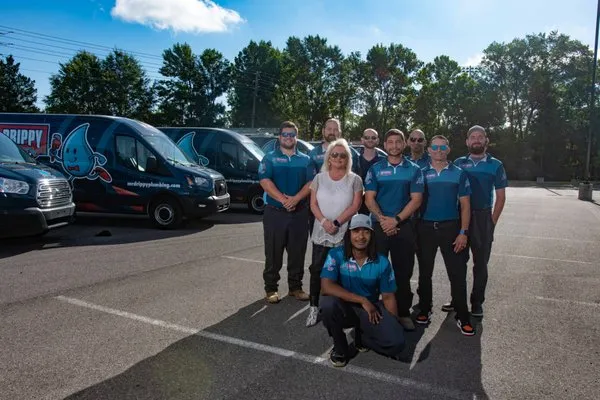
Mr Drippy Plumbing
Mr Drippy Plumbing has been a trusted fixture in Hoover since 2007, built on a foundation of over 50 years of combined experience. Founded and managed by Hoover resident Patrick Leonard, a plumber wit...
Dunn's HVAC Plumbing & Electrical
Dunn's HVAC Plumbing & Electrical is a family-owned and locally operated business serving Pelham, Anniston, and the surrounding communities. Founded on principles of honesty, integrity, and trust, the...
Wilbur's Air Conditioning, Heating & Plumbing
Wilbur's Air Conditioning, Heating & Plumbing has been a trusted name in Birmingham since 1979, starting with a single truck and a commitment to quality service. This family-owned and operated busines...

Prestige Electric and Plumbing
Prestige Electric and Plumbing is your trusted local home service provider in Warrior, AL, serving residential and commercial clients across Birmingham, Pelham, Chelsea, Lincoln, and Bessemer. We offe...
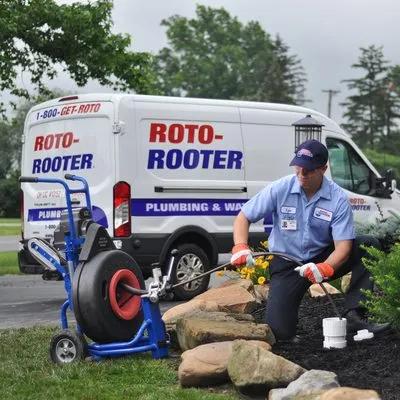
Roto-Rooter Plumbing & Water Cleanup
For over 85 years, Roto-Rooter Plumbing & Water Cleanup has been the trusted name for Birmingham, AL, homeowners and businesses facing plumbing emergencies and routine maintenance needs. As a locally ...
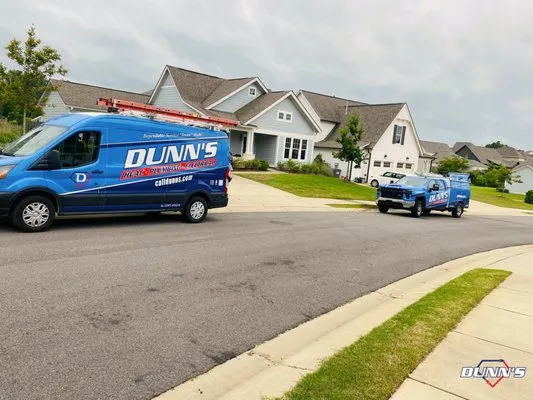
Dunn's HVAC, Plumbing & Electrical
Dunn's HVAC, Plumbing & Electrical is a trusted, licensed service provider serving the Anniston community. Built on a foundation of honesty and integrity, our goal is to deliver high-quality equipment...
Thompson Drain And Plumbing is a trusted local plumbing service in Alabaster, AL, specializing in comprehensive solutions for residential plumbing needs. We address common local issues like pipe joint...
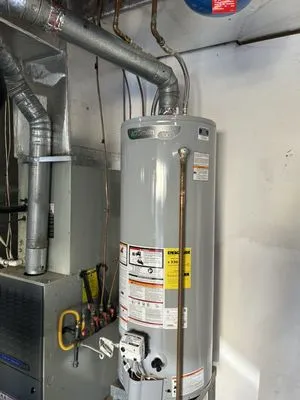
Benchmark Plumbing is a family-owned and operated business serving Birmingham, AL, with reliable plumbing services for over 20 years. Founded and led by Master Plumber Adam Ladu, a Birmingham native, ...

For over 18 years, Central Alabama Plumbing Services has been the trusted local plumbing provider for Warrior and the surrounding central Alabama communities. We are a dedicated, full-service company ...
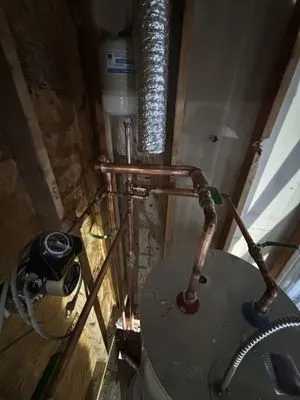
2 Guys Plumbing is a locally owned and operated plumbing company serving Pinson, Alabama, founded by two experienced plumbers who decided to bring their expertise directly to the community. After year...
Estimated Plumbing Costs in Pea Ridge, AL
Common Questions
What is the most important thing to do for my pipes before a Pea Ridge winter?
Our winter lows can hit 34°F, and a hard freeze can happen quickly. The pro-tip for our temperate climate is to disconnect, drain, and store all outdoor hoses before the first forecasted freeze. An attached hose traps water in the bib, which freezes and splits the pipe inside your wall. This simple, five-minute task prevents the most common winter plumbing emergency we see on rural properties here.
Does having a private well in Pea Ridge affect my water heater or appliances?
Yes, significantly. Well water in our area is often acidic and corrosive, which is particularly hard on water heaters. The anode rod inside the tank, designed to sacrifice itself to protect the steel tank, gets consumed rapidly. Without an annual check, the tank itself corrodes, leading to premature failure and leaks. Installing a whole-house neutralizer or a powered anode rod can extend the life of your heater and fixtures.
What permits or codes do I need to know about for a plumbing repair in Shelby County?
Shelby County Development Services requires permits for most work beyond a simple fixture replacement. As a Master Plumber licensed by the Alabama Plumbers and Gas Fitters Examining Board, I pull those permits and ensure the work passes inspection. This handles the red tape for you and provides a legal record for your home, which is important for insurance and future resale value in Pea Ridge.
How quickly can a plumber get to my house in Pea Ridge during an emergency?
Heading past Pea Ridge Baptist Church on AL-119 is the primary route into most of the community. A typical dispatch from that area takes 45 to 60 minutes under normal road conditions. We factor in the rural road network and distance from main suppliers when giving you an arrival window. It is a good practice to shut off your main water valve immediately when you discover a major leak to minimize damage during that travel time.
Are there special plumbing considerations for a rural home like mine in Pea Ridge?
Rural plumbing here revolves around your private well and septic system. They form a closed loop. Chemicals that kill bacteria in a septic tank, or excessive water use from a leak, can overwhelm the drain field. It is crucial to use septic-safe products and fix running toilets promptly. Your well pump and pressure tank also require periodic service, as they work harder than a city-connected system would.
Could the hilly land around my home be causing plumbing issues?
The sloping terrain common near Pea Ridge Baptist Church directly stresses sewer and water lines. A main line running downhill can develop bellies or low spots where waste collects and causes recurring clogs. For water supply, the constant pressure changes from elevation shifts can fatigue old galvanized joints. During a site inspection, we trace the pipe path relative to the slope to diagnose these terrain-specific problems.
Why do my old galvanized pipes keep springing new leaks even after repairs?
Galvanized steel installed in 1973 corrodes from the inside out. A repaired pinhole leak does not stop the corrosion process in the rest of the pipe wall. The interior lining flakes away, creating a rough surface that catches sediment and accelerates blockages. This leads to increased pressure on weak spots, causing another leak nearby. Complete replacement with modern materials like PEX or copper is the only permanent solution for this generation of plumbing.
My Pea Ridge home was built in the early 70s. What should I be watching for with the plumbing?
Homes built around 1973 here have galvanized steel pipes that are now 53 years old. This metal has a lifespan of 40 to 60 years, so many systems in Pea Ridge Community are currently at a critical failure point. You are likely seeing persistent low water pressure or rust-colored water at the taps. These are signs of advanced internal corrosion and scale buildup, which means a full pipe replacement should be planned for, not just another patch repair.
