Top Emergency Plumbers in New Market, AL, 35761 | Compare & Call

There are 117 plumbing companies server in New Market AL
1 A+ Plumber in Athens is your trusted local plumbing partner, combining deep expertise with a commitment to clear communication and reliable service. As licensed and insured professionals serving the...
Mighty Rooter has been serving the New Market community since 2012, founded by a master plumber with over 24 years of industry experience. For the past 12 years, he has held his master license, bringi...
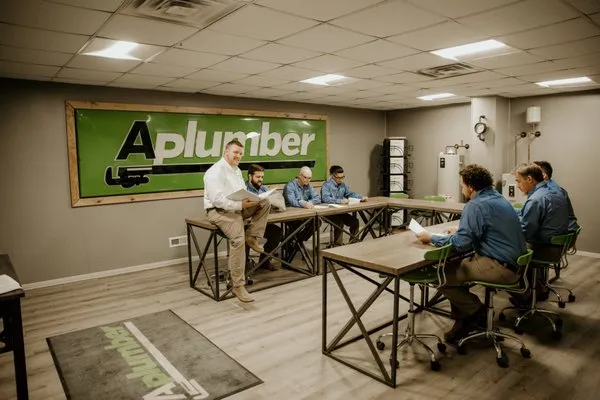
A Plumber
Founded in 2007 by Alex, A Plumber is a family-operated plumbing service dedicated to Decatur, AL, and the surrounding areas. Alex's vision was to build a strong, trustworthy team committed to honest,...

B & C Plumbing
B & C Plumbing has been a trusted, family-owned plumbing service in Huntsville, Alabama, since 2001. With over 25 licensed and insured master and journeyman plumbers, our team brings a combined 30 yea...
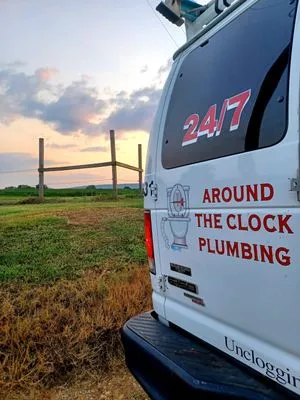
Around the Clock Plumbing has been providing reliable plumbing solutions to Huntsville, AL residents for years. Our team of local, licensed technicians specializes in everything from routine maintenan...
Dunrite Plumbing is a Toney-based plumbing service owned and operated by Master Plumbers who are dedicated to quality craftsmanship and building lasting customer relationships. We handle everything fr...
Gardner's Plumbing Repair is your trusted local plumbing partner in Woodville, AL. We provide comprehensive plumbing services for homes and businesses, from routine faucet and toilet repairs to comple...
Mr. Rooter Plumbing of Huntsville is your trusted local plumbing partner, bringing over 50 years of industry expertise to Alabama's Rocket City. Founded by David Duck in 1970 and now part of the Neigh...
Anything Plumbing
Since 2007, Anything Plumbing has been the trusted, locally owned choice for plumbing services in Huntsville, Alabama. We are committed to building lasting relationships with our residential and comme...
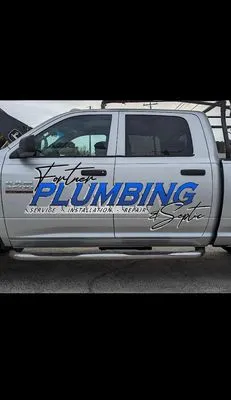
Fortner Plumbing is a family-owned business proudly serving the Scottsboro community and surrounding counties for over 50 years. Founded on a legacy of hard work and dedication passed down through thr...
Estimated Plumbing Costs in New Market, AL
Q&A
Do I need a permit to replace my water heater in Madison County?
Yes, most water heater replacements require a permit from the Madison County Building Permits Department. As a Master Plumber licensed by the Alabama Plumbers and Gas Fitters Examining Board, I handle pulling the permit, scheduling the inspection, and ensuring the installation meets all current codes. This manages the red tape for you and guarantees the work is documented and compliant.
How long should copper plumbing last in a house built around 1987?
Copper plumbing installed in 1987 is now 39 years old. Around New Market Center, this is the lifespan where pipe walls thin from decades of water flow, leading to pinhole leaks. You might see small, persistent damp spots on drywall or a drop in water pressure. Proactive inspection of supply lines behind walls and under sinks can catch these failures before they cause major damage.
How long does it take for a plumber to reach New Market for an emergency?
Our dispatch route typically heads past Buck's Pocket State Park on US-431. In normal traffic, the drive from our service area to most homes in New Market takes 45 to 60 minutes. We factor in the winding sections of US-431 and local road conditions to give you a reliable arrival window when you call.
Can the hilly land around Buck's Pocket affect my home's drainage?
The sloping terrain common here puts consistent gravitational stress on your main sewer line. Over time, this can cause sections to settle or the joints to separate, leading to blockages or leaks. For homes built on a significant grade, it's important to have the main line inspected with a camera periodically to check for stress points or root intrusion at these lower joints.
What plumbing issues are specific to rural homes like those in New Market?
Rural properties here often rely on private wells and septic systems. Well pump pressure switches and tanks require maintenance, and hard water accelerates wear. Septic system health is critical; overloading the drain field or flushing non-biodegradable items can lead to backups. Understanding the capacity and maintenance schedule for your specific septic tank is key to avoiding problems.
Does the Tennessee River water cause problems for home plumbing?
Yes, the mineral content from the Tennessee River contributes to hard water. This leads to scale buildup inside pipes, water heaters, and fixtures. Scale reduces flow, makes appliances work harder, and shortens their lifespan. For water heaters, this buildup on the heating elements or tank bottom is a primary cause of inefficiency and failure.
Why am I getting pinhole leaks in my copper pipes?
Pinhole leaks in 39-year-old copper are a common failure point. Over decades, the natural mineral content in our water and the electrical interaction between copper and other metals can cause localized corrosion. This corrosion eats through the pipe wall, creating a small leak. The fix often involves replacing the affected section, and sometimes installing dielectric unions to prevent future electrolytic corrosion.
What should I do to my pipes before it gets cold?
Our temperate climate sees lows around 30°F, but the spring thaw cycle is the real concern. A pro-tip is to disconnect and drain your garden hoses in late fall. Trapped water in hose bibs can freeze, expand, and crack the interior pipe. Insulating exposed pipes in unheated crawl spaces is also a wise preventative step for those occasional hard freezes.
