Top Emergency Plumbers in Bayou La Batre, AL, 36509 | Compare & Call

There are 74 plumbing companies server in Bayou La Batre AL
Residential Handyman Services in Pensacola is a locally owned and operated business built on a foundation of diverse, hands-on experience. The owner has spent years mastering a wide array of trades, f...
Elite Repair Service in Pensacola, FL, is a locally owned and operated business founded on the principle of providing fair pricing and straightforward work for homeowners. We started because we recogn...
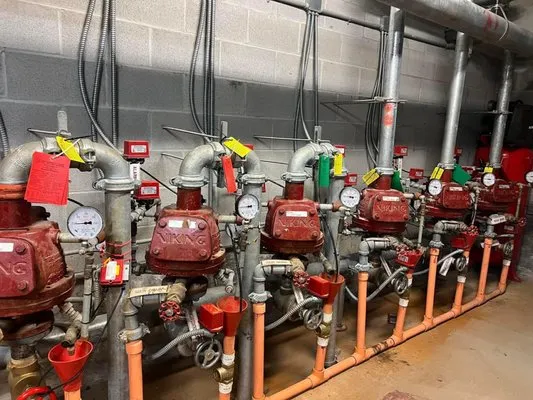
360 Fire Protection is a trusted provider of fire protection and plumbing services for the Pensacola area and the broader Gulf Coast region, including Alabama. We offer comprehensive solutions for bot...

EZ-Flow Plumbing & Drain Cleaning
For over a decade, EZ-Flow Plumbing & Drain Cleaning has been the trusted local choice for plumbing in Mobile and Baldwin counties. As a licensed, bonded, and insured company, we deliver dependable pl...

Since 1992, Ellison Plumbing & Piping has been the trusted, locally-owned choice for plumbing across Mobile, Baldwin County, and the Mississippi Gulf Coast. As licensed, bonded, and insured contractor...

West Mobile Handyman has been serving the Mobile, AL community for over 20 years, providing reliable home improvement and repair services. We specialize in a wide range of projects including bathroom ...

For over three decades, Cottage Hill Plumbing has been Mobile's trusted local plumbing partner. Established in 1989, we've built our reputation on reliable service, skilled craftsmanship, and a straig...

Adams Plumbing & Drain
Adams Plumbing & Drain has been Mobile's trusted plumbing partner since 1968. As a family-owned local business, we serve both Mobile and Baldwin County with reliable residential and commercial plumbin...

The Leak Geeks Plumbers is a family-owned plumbing company serving Mobile, AL since 2011. Founded by a plumber who learned the trade working with his father, the business has grown into a trusted loca...
Hansen Plumbing
Hansen Plumbing is a trusted family-owned plumbing service based in Theodore, AL, serving the Mobile area with reliable and honest work. We specialize in a comprehensive range of plumbing services, in...
Estimated Plumbing Costs in Bayou La Batre, AL
FAQs
What should I do to prepare my plumbing for hurricane season in this tropical climate?
Before hurricane season peaks, shut off your main water valve if evacuating. Drain pipes to prevent pressure buildup from temperature swings between 40°F lows and tropical highs. Secure outdoor faucets with insulated covers to avoid cracking. Clear gutters and downspouts so heavy rain drains away from your foundation. These steps prevent most storm-related plumbing emergencies in Bayou La Batre's climate.
As a rural homeowner in Bayou La Batre, what unique plumbing issues should I watch for?
Rural properties here often combine Mobile County water with private septic systems. Septic tank maintenance is crucial, with recommended pumping every 3-5 years due to hard water mineral accumulation. Well systems require regular testing for mineral content. Longer service lines mean more potential leak points between the main and your home. Tree roots seek out water lines in areas without municipal sewer pressure.
How quickly can a plumber reach my home near Bayou La Batre City Docks?
Heading past Bayou La Batre City Docks on Alabama State Route 188, most service calls take 45-60 minutes from dispatch to arrival. That route connects directly to residential areas throughout the city. Traffic around the docks can slow morning responses, but afternoon calls usually move faster. I plan routes to avoid peak fishing vessel traffic when possible.
My house in Bayou La Batre City Center was built around 1990. What should I expect from my plumbing now?
Copper pipes installed in 1990 are now 36 years old. At this age, homeowners in Bayou La Batre City Center often see pinhole leaks developing, especially at joints and elbows. The copper has experienced decades of hard water flow and minor corrosion. You might notice small damp spots on walls or ceilings, or hear faint dripping sounds behind drywall. These leaks typically start small but can worsen quickly once the protective lining inside the pipe wears thin.
Why do my 1990s copper pipes keep springing leaks?
Copper pipes from the 1990s often develop pinhole leaks due to electrolytic corrosion. Hard water minerals create scale buildup that traps moisture against the pipe interior. Over 36 years, this causes localized corrosion that eats through the copper wall. Joint calcification is another common issue where mineral deposits weaken solder connections. These failures typically occur first in hot water lines and at pipe bends.
Does Mobile County's hard water damage my plumbing fixtures?
Mobile County Water and Sewer provides water with high mineral content that causes scaling. This buildup reduces water flow through fixtures and accelerates wear on valve seats. Water heaters suffer most, with scale coating heating elements and reducing efficiency by up to 30%. You'll notice shorter appliance lifespans and frequent faucet cartridge replacements. Installing a whole-house water softener can significantly reduce these issues.
What permits do I need for plumbing work in Bayou La Batre, and who handles them?
The Bayou La Batre Building Department requires permits for most plumbing modifications beyond basic repairs. As a master plumber licensed by the Alabama Plumbers and Gas Fitters Examining Board, I handle all permit applications and inspections. This includes securing approvals for water heater replacements, sewer line repairs, and fixture installations. You won't need to visit city offices or complete paperwork—I manage the red tape so your project meets all local codes.
How does the coastal terrain around Bayou La Batre City Docks affect my home's drainage?
The gentle coastal slope near Bayou La Batre City Docks causes water to drain toward the bayou. This puts constant stress on main sewer lines as gravity pulls everything downhill. Soil saturation during high tides can shift pipe supports, leading to misaligned joints. Heavy rainfall overwhelms drainage systems quickly. Proper grading around your foundation is essential to prevent water from pooling against your home's plumbing entry points.
