Top Emergency Plumbers in Sutton Alpine, AK, 99645 | Compare & Call

There are 143 plumbing companies server in Sutton Alpine AK
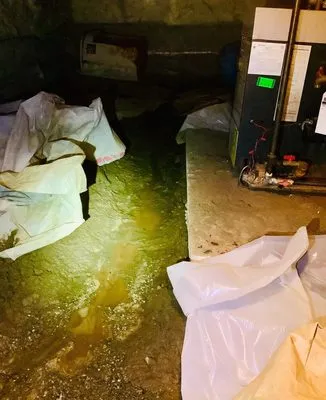
Drain Masters is a family-owned plumbing business that has been serving the Anchorage community for over 20 years. Founded in 1996, we moved to Alaska in 1991 and have built our foundation on exceptio...
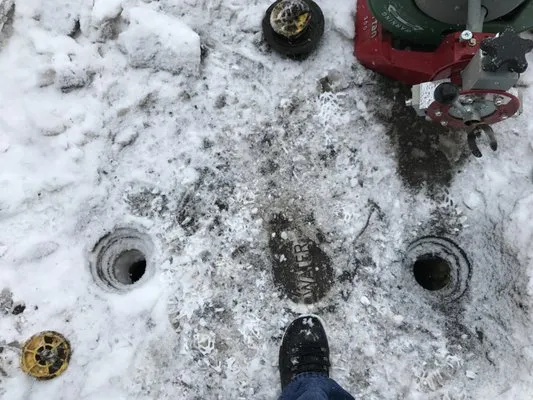
Arctic Sewer and Drain is a family-owned Anchorage plumbing service founded by owner-operator Isaac Hill. With over 16 years of experience serving the local community since 2001, Isaac started his own...

ASAP Sewer and Drain is your local, licensed plumbing partner in Anchorage, Alaska. We provide dependable plumbing services, including hydro-jetting for stubborn clogs and detailed plumbing inspection...
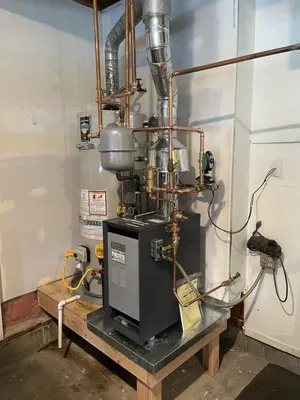
McCann Plumbing & Heating
McCann Plumbing & Heating has been serving Anchorage, AK, since 1977, bringing decades of reliable plumbing and heating expertise to the community. As a licensed and bonded master plumber with a Mecha...
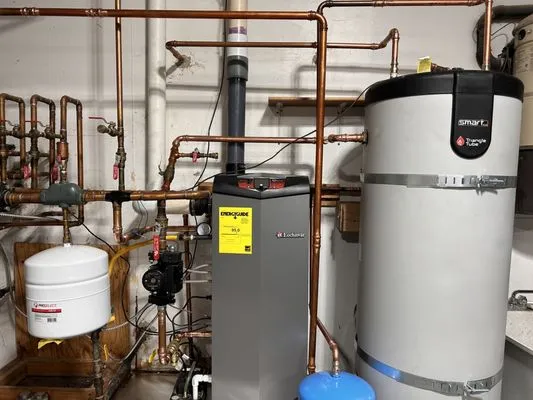
24hr Arctic Services
My mechanical journey in Anchorage began at age ten, fixing my parents' kitchen sink—a repair that lasted over fifteen years. That early success led me to formal HVAC training at UAA in the 1990s. Wit...
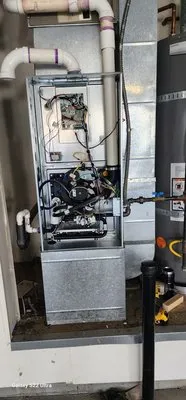
Discount Mechanical Heating and Plumbing
Discount Mechanical Heating and Plumbing is a family-owned, Anchorage-based company providing reliable heating, plumbing, and HVAC services since 2004. We specialize in a full range of solutions for b...
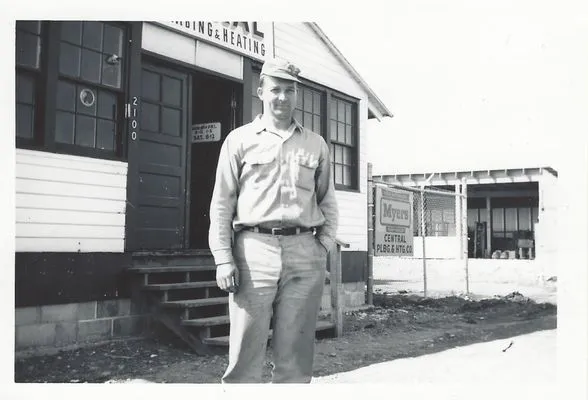
Central Plumbing & Heating
Central Plumbing & Heating is a family-owned and operated company that has been proudly serving the greater Anchorage area since 1959. With decades of experience, they offer comprehensive plumbing and...

Founded over 28 years ago by lifelong Alaskans Dan and Valorie, Alaska Sewer & Drain began with a toolbox and a used van. Starting a family business with two young children was a significant risk, but...
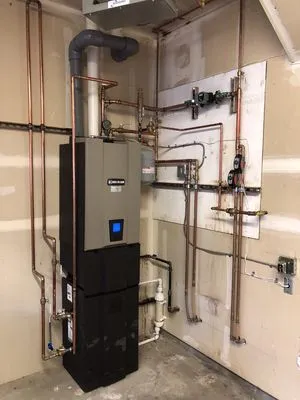
Always On Call Mountain Mechanical
Always On Call Mountain Mechanical was founded in Anchorage in 1988 by Pat and Danielle Knowles, who saw a need for reliable residential plumbing and heating services in our community. Starting with j...
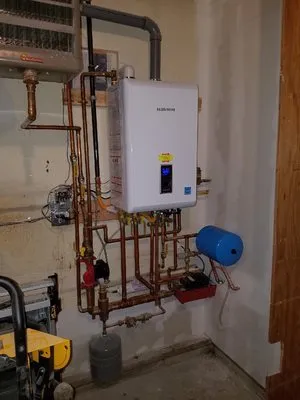
Alaska Plumbing Service
Alaska Plumbing Service is your local, fully licensed, bonded, and insured plumbing and heating specialist serving Anchorage and the surrounding communities. Our team consists of qualified journeyman ...
Estimated Plumbing Costs in Sutton Alpine, AK
Q&A
What's the most important thing to do to my pipes before it hits -10°F?
Before a deep cold snap, drain and disconnect all outdoor hoses. Inside, locate and know how to operate your main water shut-off valve. For cabins or seasonal properties, a full system winterization is non-negotiable. Insulating pipes in crawl spaces is good, but knowing your shut-off is the pro-tip that prevents a catastrophic freeze burst.
Are houses in Sutton built in the late 80s having more plumbing problems?
Homes from that 1987 build period have copper pipes nearing 40 years old. In Sutton Townsite, you're likely seeing the first signs of wear: a slight blue-green tint at joints, reduced water pressure from internal scaling, and the beginning of pinhole leaks, especially on hot water lines. This isn't a sudden failure but a predictable lifecycle stage for copper in our water conditions.
Could the hilly land here be causing my main sewer line problems?
The sloped, shifting terrain around the Matanuska River basin absolutely stresses main lines. Gravity flow systems on hills can experience uneven settling, putting strain on pipe joints. During spring thaw, ground movement increases, which can lead to misaligned connections or cracks that cause backups or drainage issues at the low point of your system.
As a rural homeowner with a well and septic, what plumbing maintenance am I forgetting?
Beyond the house, remember your well's pressure tank and the septic system's inlet baffle. Well equipment needs periodic checks for sediment. For septic, avoid garbage disposals and space out laundry loads to prevent overloading the tank. These systems work together; a failing pressure switch or a full septic tank can mimic internal plumbing faults.
Do I need a permit to replace my water heater in the Mat-Su Borough?
Yes, water heater replacements typically require a permit from the Matanuska-Susitna Borough Planning and Land Use. As a licensed master plumber, I handle that filing and the subsequent inspection with the Alaska Department of Commerce, Community, and Economic Development. My credential ensures the work meets code, so you don't have to navigate the red tape yourself.
How long does it take for a plumber to get to Sutton Alpine in an emergency?
From my shop, a dispatch route heads past the Matanuska River on the Glenn Highway. Depending on conditions and traffic, that drive is reliably 60 to 90 minutes. I factor in that transit time when you call, so I can give you immediate steps to take—like shutting off your main valve—to prevent damage before I arrive.
Why do my copper pipes keep springing pinhole leaks?
Copper pipes installed around 1987 are now susceptible to pinhole leaks due to a combination of age and our hard water. Internal corrosion and scale buildup create weak spots that eventually perforate, often starting on the hot side. It's a systemic issue for this vintage, not a random event, and usually indicates a broader repiping evaluation is needed.
Does hard well water damage my water heater?
Yes, significantly. Private wells in our area deliver mineral-heavy water. Over time, that hardness forms scale inside the tank, acting like insulation on the heating elements. This forces the heater to work harder, shortening its lifespan and increasing energy costs. An annual flush and a properly sized whole-house softener are critical for protection.
