Top Emergency Plumbers in Girdwood, AK, 99587 | Compare & Call

There are 24 plumbing companies server in Girdwood AK
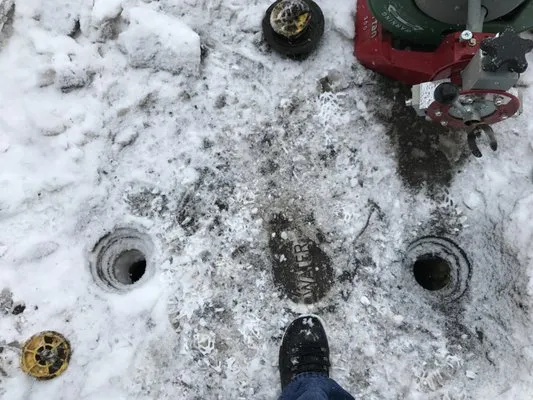
Arctic Sewer and Drain is a family-owned Anchorage plumbing service founded by owner-operator Isaac Hill. With over 16 years of experience serving the local community since 2001, Isaac started his own...
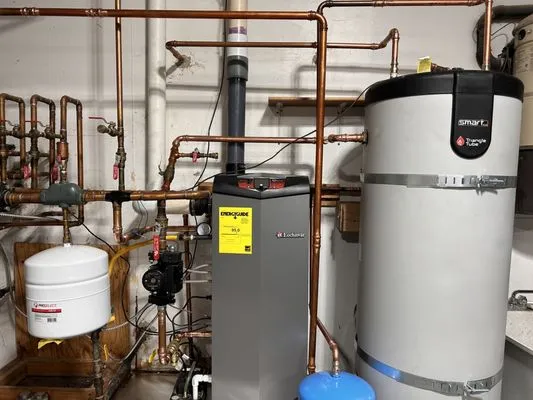
24hr Arctic Services
My mechanical journey in Anchorage began at age ten, fixing my parents' kitchen sink—a repair that lasted over fifteen years. That early success led me to formal HVAC training at UAA in the 1990s. Wit...
Discount Mechanical Heating and Plumbing
Discount Mechanical Heating and Plumbing is a family-owned, Anchorage-based company providing reliable heating, plumbing, and HVAC services since 2004. We specialize in a full range of solutions for b...
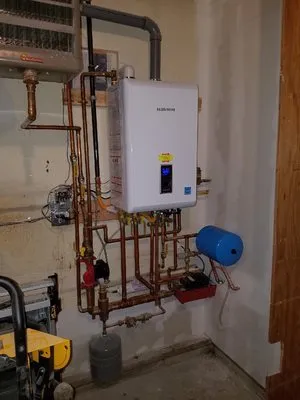
Alaska Plumbing Service
Alaska Plumbing Service is your local, fully licensed, bonded, and insured plumbing and heating specialist serving Anchorage and the surrounding communities. Our team consists of qualified journeyman ...
Anchorage Plumbing & Heating
Anchorage Plumbing & Heating has been a trusted name in the Anchorage Bowl since 1989, providing reliable plumbing and heating services to our community. We understand the unique demands of Alaska's c...
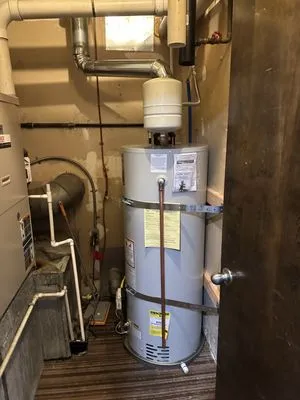
Wasilla Plumbing and Heating is a locally owned and operated business serving the Wasilla community with over 30 years of combined experience. Our team of licensed and certified professionals provides...
Cassidy's Plumbing & Heating
Cassidy's Plumbing & Heating has been a trusted fixture in Anchorage since 1998, providing reliable plumbing and heating services to homeowners, contractors, and businesses. We specialize in a compreh...
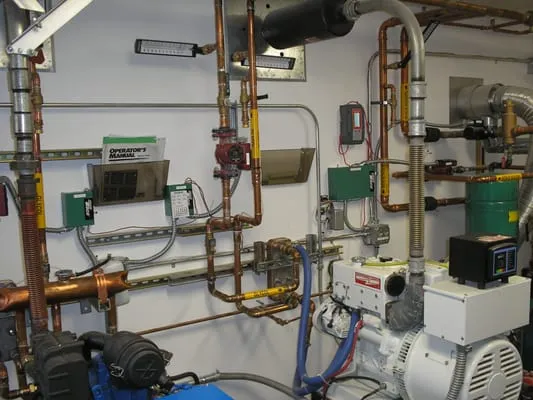
KLEBS Mechanical, a cornerstone of the Anchorage community since 1986, grew from Gary Klebs' personal residence into a premier full-service mechanical contractor. Founded during a challenging economic...
Rock Solid Plumbing & Heating
Rock Solid Plumbing & Heating provides dependable plumbing, heating, and cooling services for homes and businesses in Wasilla, Alaska, and the surrounding Mat-Su Valley. We understand the unique chall...
Burton Repair
Burton Repair is a locally owned and operated Anchorage handyman service with over 20 years of dedicated experience. Since 1992, this licensed, insured, and professional team has been the reliable cho...
Estimated Plumbing Costs in Girdwood, AK
Questions and Answers
What should I do to prepare my plumbing for Girdwood winters?
With temperatures regularly dropping to 15°F and lower, insulating exposed pipes is essential before winter sets in. A specific pro-tip for our Snow Belt climate: install heat tape on vulnerable exterior lines and maintain a consistent indoor temperature during spring thaw when freeze-thaw cycles stress plumbing most. Draining outdoor spigots and keeping cabinet doors open to allow warm air circulation prevents the majority of cold-weather emergencies we see each season.
Does Crow Creek water affect my water heater or fixtures?
Water sourced from Crow Creek and our local aquifers has naturally acidic and corrosive properties. Over time, this accelerates scale buildup in water heaters and causes premature failure of fixtures, especially those with rubber seals or brass components. Installing a whole-house water treatment system or using dielectric unions at connections can extend appliance life significantly. Without mitigation, water heaters in Girdwood often need replacement several years earlier than in areas with neutral pH water.
How does Girdwood's coastal terrain affect my main water line?
The sloping coastal terrain around Alyeska Resort creates drainage challenges that put constant stress on main water lines. Soil movement during wet seasons can cause pipes to shift or develop stress fractures, while the natural slope directs groundwater toward foundations. Proper grading around your home's perimeter and installing French drains helps protect the main line from these pressures. Without adequate drainage, even properly installed pipes can fail prematurely due to ground movement.
Why do older copper pipes in Girdwood develop pinhole leaks?
Copper pipes from the 1980s often develop pinhole leaks due to decades of exposure to our acidic water. The corrosion process creates weak spots that eventually perforate, typically appearing first near joints or where pipes contact dissimilar metals. These small leaks can go unnoticed for months while causing hidden damage to walls and foundations. Regular inspection of visible plumbing helps catch them before they escalate.
How long do copper pipes last in Girdwood homes?
Copper pipes installed around 1986 are now 40 years old. In Girdwood Valley, homeowners are seeing increased frequency of leaks and reduced water pressure as these systems reach the end of their typical lifespan. The combination of age and our local water chemistry accelerates wear that might take longer in other regions. Many properties built during that era need pipe assessment before minor issues become major water damage.
How quickly can a plumber reach my home in Girdwood?
Heading past Alyeska Resort on Seward Highway, most service calls take 60-90 minutes depending on your exact location and road conditions. I plan routes that account for seasonal traffic patterns and weather delays common in our area. This timing allows for proper equipment preparation before arrival, so work begins efficiently once on site.
Are septic and well systems different to maintain in rural Girdwood?
Rural properties in Girdwood Valley rely on septic and well systems that require different maintenance than municipal connections. Septic systems need regular pumping every 3-5 years depending on household size, and wells should be tested annually for water quality and flow rate. The acidic soil conditions here can accelerate corrosion in well components and septic tanks. Keeping trees planted away from drain fields and well heads prevents root intrusion that commonly damages these systems.
Who handles permits for plumbing work in Girdwood?
Permits for plumbing work in Girdwood fall under Municipality of Anchorage Development Services, and all licensed plumbers must meet Alaska Department of Labor and Workforce Development requirements. I handle the red tape so you don't have to—submitting proper documentation, scheduling inspections, and ensuring all work meets current codes. This includes septic system approvals, well modifications, and any structural plumbing changes that require municipal review. Proper permitting protects your investment and maintains property value.
